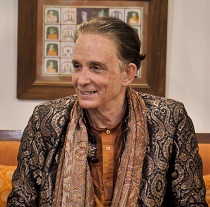
Andrew Harvey is an author, spiritual teacher, and founder of the Institute of Sacred Activism, dedicated to creating a new world founded in universal compassion and sacred passion for all life.
MOREJoin author and spiritual teacher Andrew Harvey on a journey through Cambodia, exploring Angkor’s sacred temples, Phnom Penh’s complex history, the waterways of Tonle Sap, and a culture shaped by resilience, compassion, and renewal.
This experience offers a deeper engagement with Cambodia’s cultural and historical landscape, shaped by both profound challenges and an enduring vitality. This immersive journey through Cambodia offers an opportunity to engage with a country shaped by rich cultural traditions, complex history, and a remarkable spirit of resilience. Guided by author and spiritual teacher Andrew Harvey, you will explore the temple landscapes of Angkor, the layered realities of Phnom Penh, and the living traditions of communities connected to the Tonle Sap. With teachings, shared reflection, and meaningful cultural encounters woven throughout, the experience invites a deeper understanding of Cambodia’s enduring spirit and a more present and compassionate way of being. READ MORE
Andrew Harvey is an author, spiritual teacher, and founder of the Institute of Sacred Activism, dedicated to creating a new world founded in universal compassion and sacred passion for all life.
MORE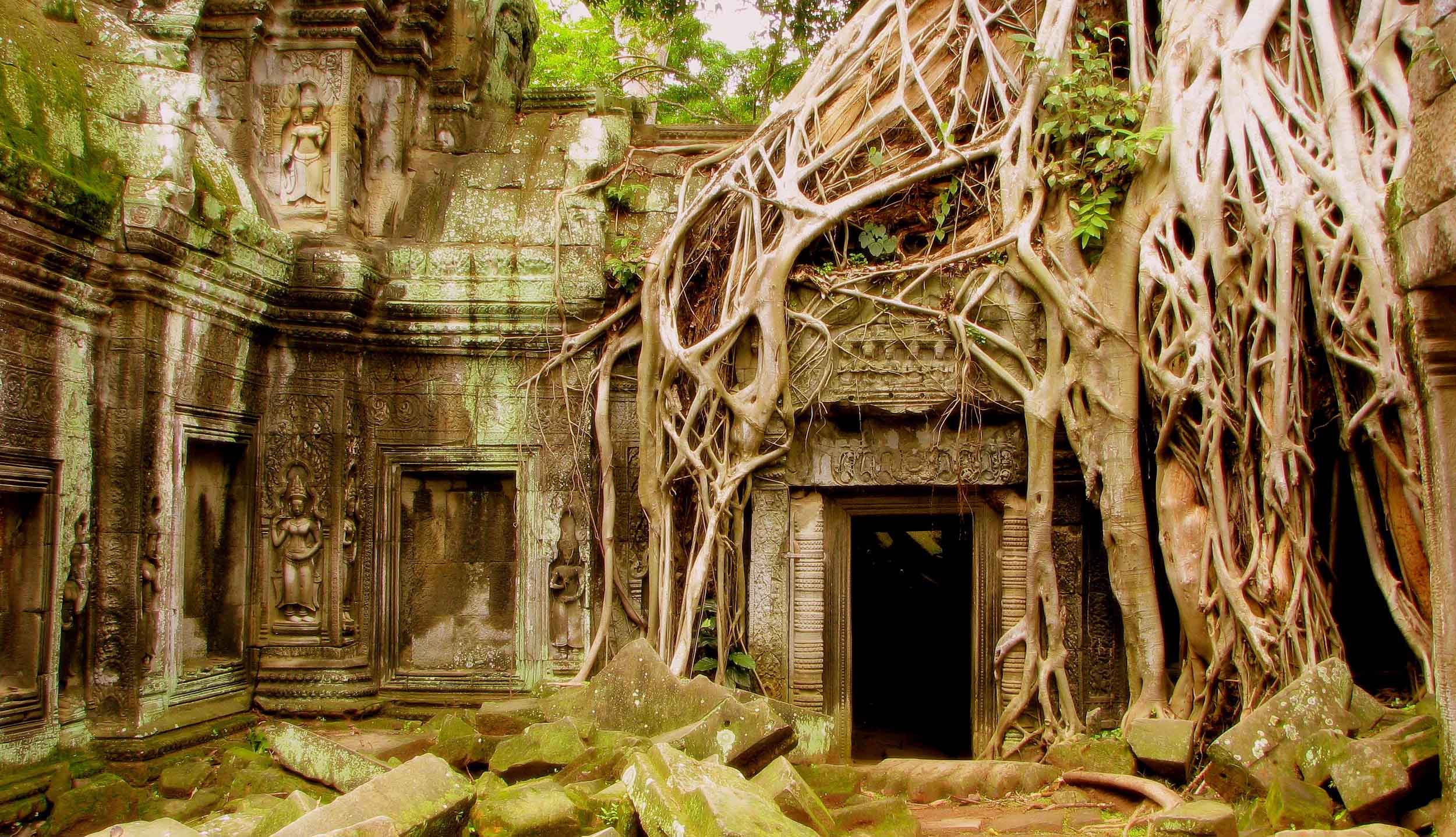
Tour Description
Andrew Harvey invites you on a journey to mystical Cambodia. His vision is to make these mysteries directly practical—to bring them into this moment in the world’s unfolding, and into our own lives, where so many are yearning for deeper meaning, purpose, and focus in an increasingly unstable and uncertain time. He invites those who feel called to something more than a journey, more even than a pilgrimage—to an initiation: one that is tender, embodied, and profoundly compassionate, as Cambodia’s soul itself is.
With Andrew as our guide, we enter into essential questions: How can humanity heal in the midst of this dark night, deeply enough to remain creative, courageous, and of real use? And what is the richest vision a human being can hold—one that offers the deepest strength, wisdom, and encouragement?
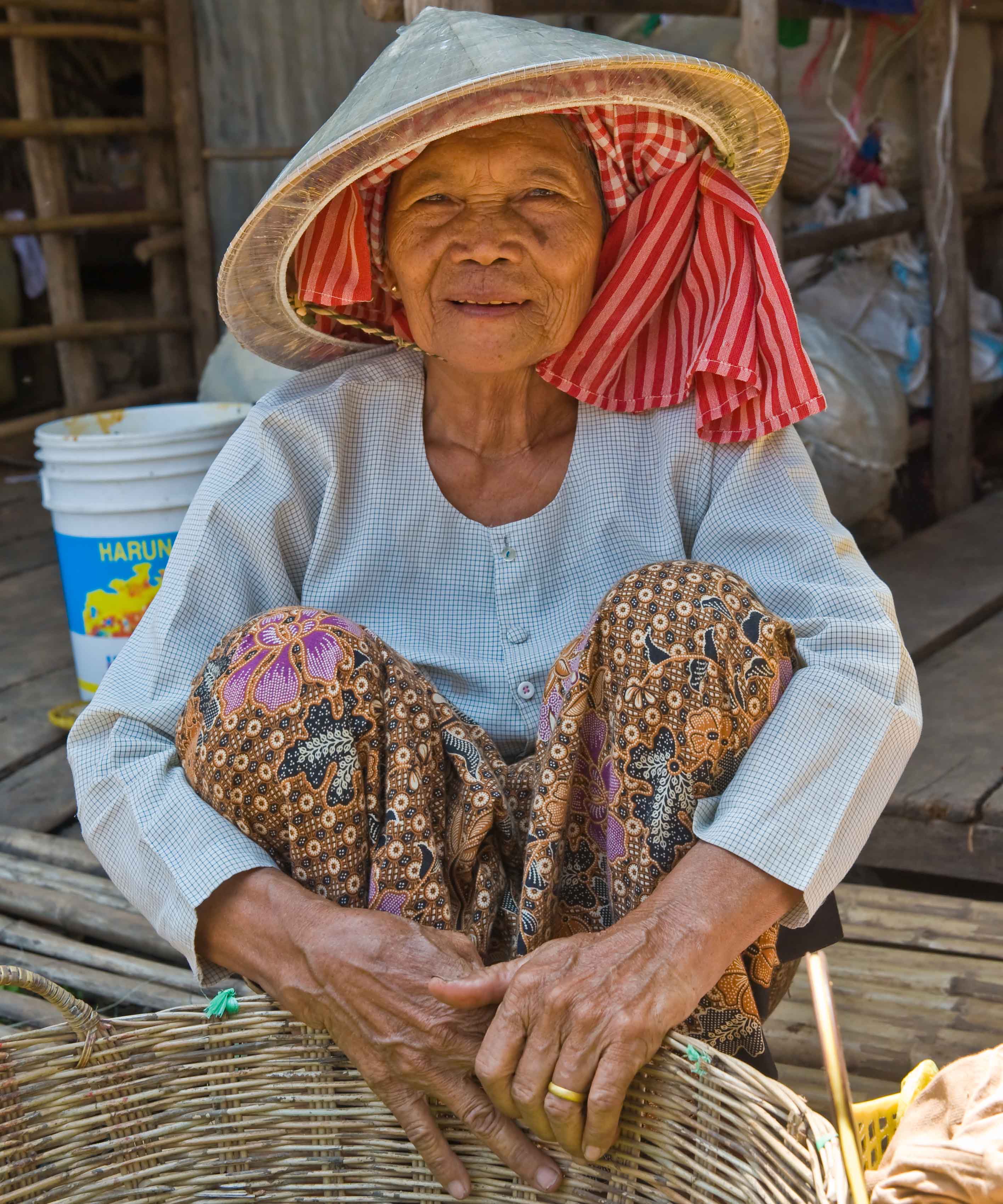
What is extraordinary about Cambodia is that it does not offer answers—it lives them. It stands as a radiant, wounded testament to what it means not to be crushed by history, but to move through it, and somehow beyond it. A country shaped by devastation, yet alive with a fierce and tender grace—a kind of ragged resurrection after unspeakable horror. And the deepest miracle you will encounter is not Angkor Wat, astonishing as it is. It is the people—their laughter, their gentleness, the unguarded brightness of children, and the quiet dignity of elders who have seen everything and still choose to honor life as sacred and good.
There is, too, a deeper revelation within Cambodia—a living soul field. A mysterious and powerful meeting of emptiness and fullness, of nirvana and the great divinization process at the heart of South Indian Shaivism, which so profoundly inspired the Khmer civilization at its height. It is something that is not merely understood, but felt—subtly, steadily, and sometimes all at once.
In its ongoing healing, Cambodia is returning to the ancient traditions of Buddhism. These teachings are not distant or abstract—they are immediate, grounding, and alive. Throughout the journey, Andrew shares simple and direct Theravada practices that help cultivate presence, openness, stability, and compassion—qualities that allow us to remain awake, even in the midst of uncertainty.
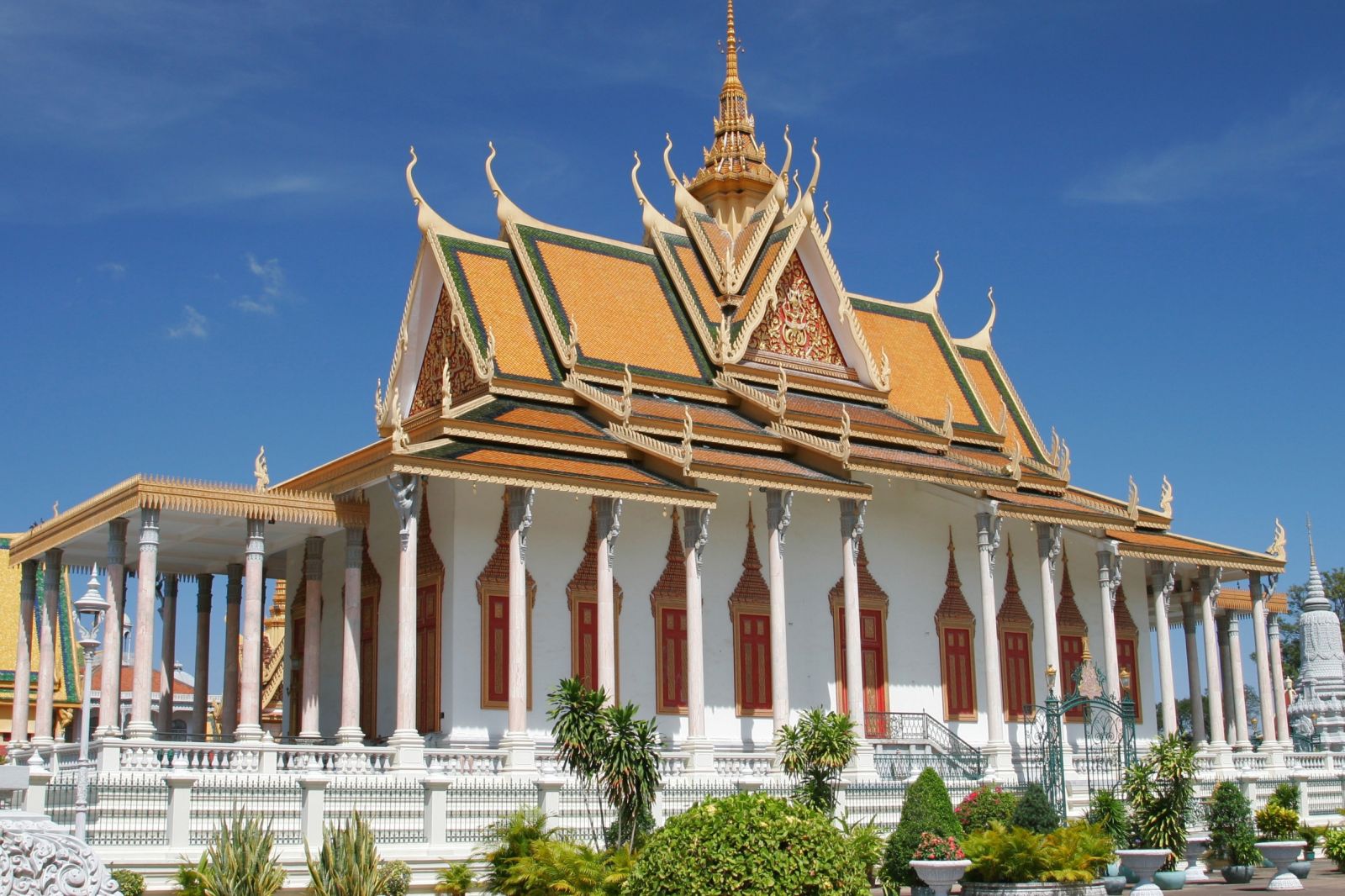
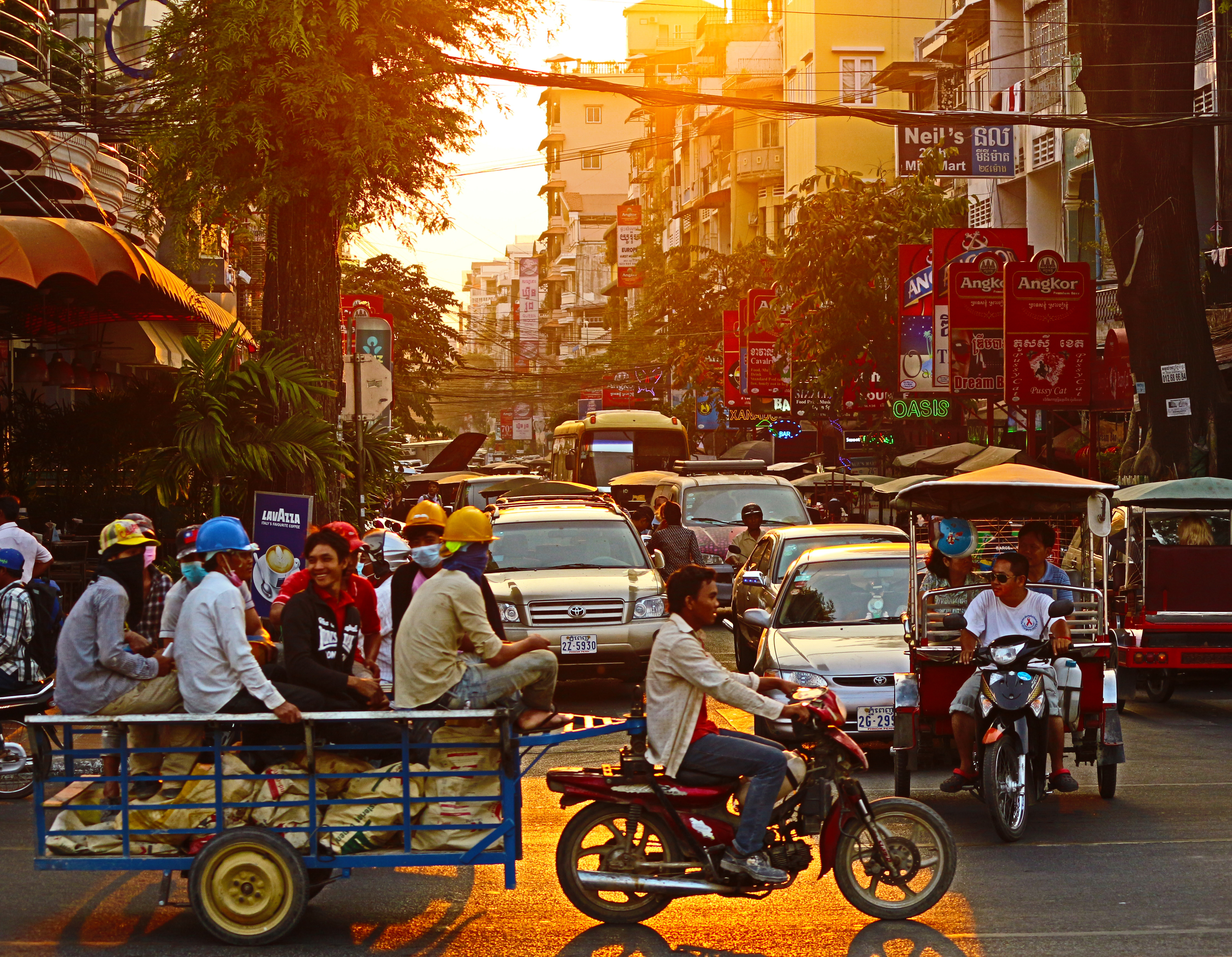
Our time begins in Phnom Penh, a city that holds profound opposites. At once chaotic and luminous, wounded and vibrant, it invites us into a deeper practice: to stand in the presence of both beauty and devastation without turning away. Through encounters with places that bear witness to the Khmer Rouge era, we begin to explore what it means to meet even the most difficult truths with compassion, patience, and a willingness to forgive.
We then travel to the towns of Kampot and Kep, where something softens. Faded colonial architecture lingers along the Kampot riverfront, lending a quiet, timeworn elegance, the coastal air in Kep carries the gentle charm of a once-elegant seaside retreat, and on the nearby island of Koh Tonsay, the rhythm of life slows almost imperceptibly. The body exhales, and there is space—space to rest, to reflect, and to begin integrating what is being revealed.
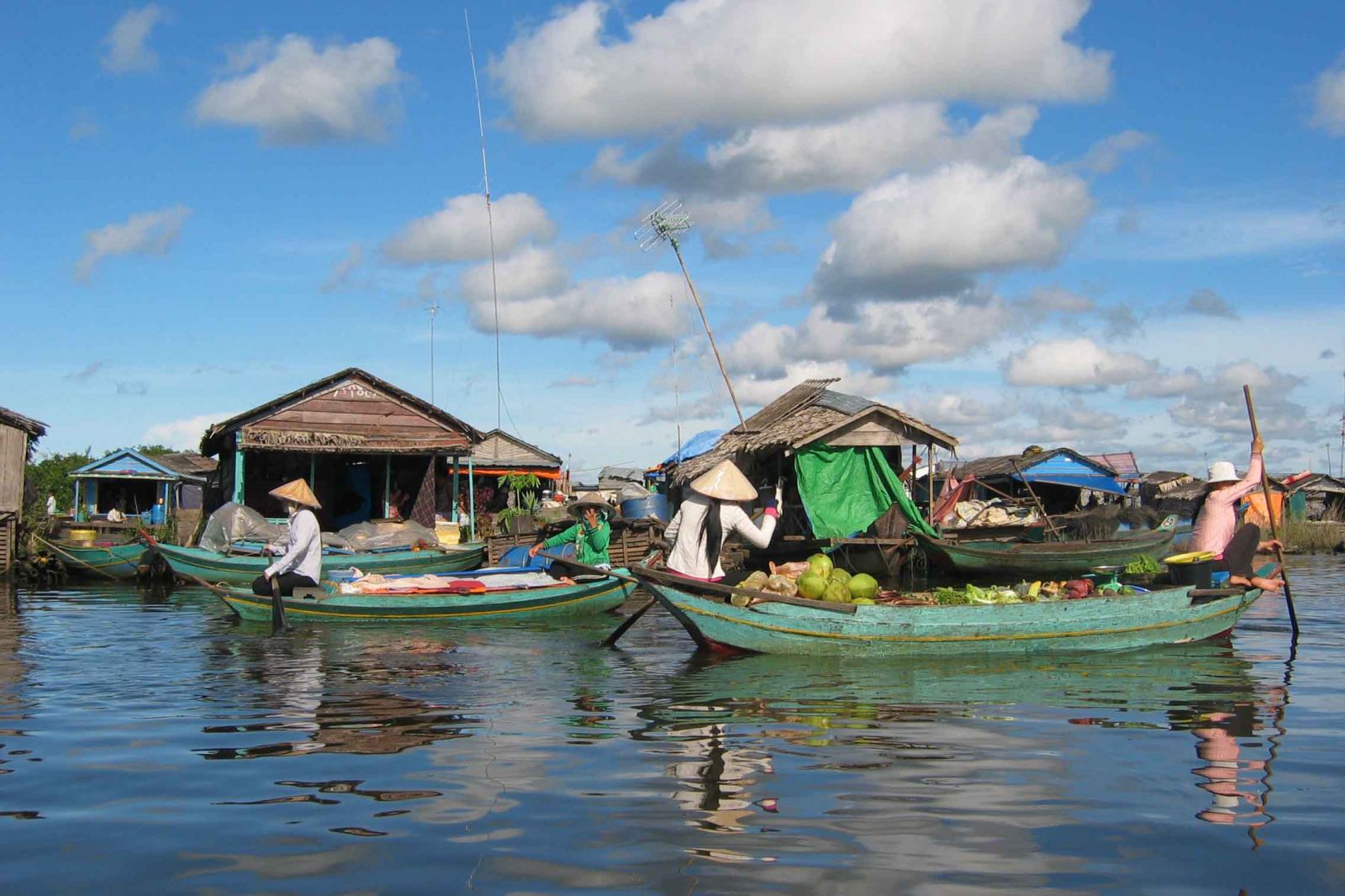
From the coast, we move inland through Cambodia’s rural heartland and along the waterways of the Tonle Sap, where floating villages rise and fall with the rhythms of the water. These encounters with daily life—simple, enduring, and deeply connected to nature—offer a more intimate understanding of the country, revealing themselves gradually through presence rather than explanation.
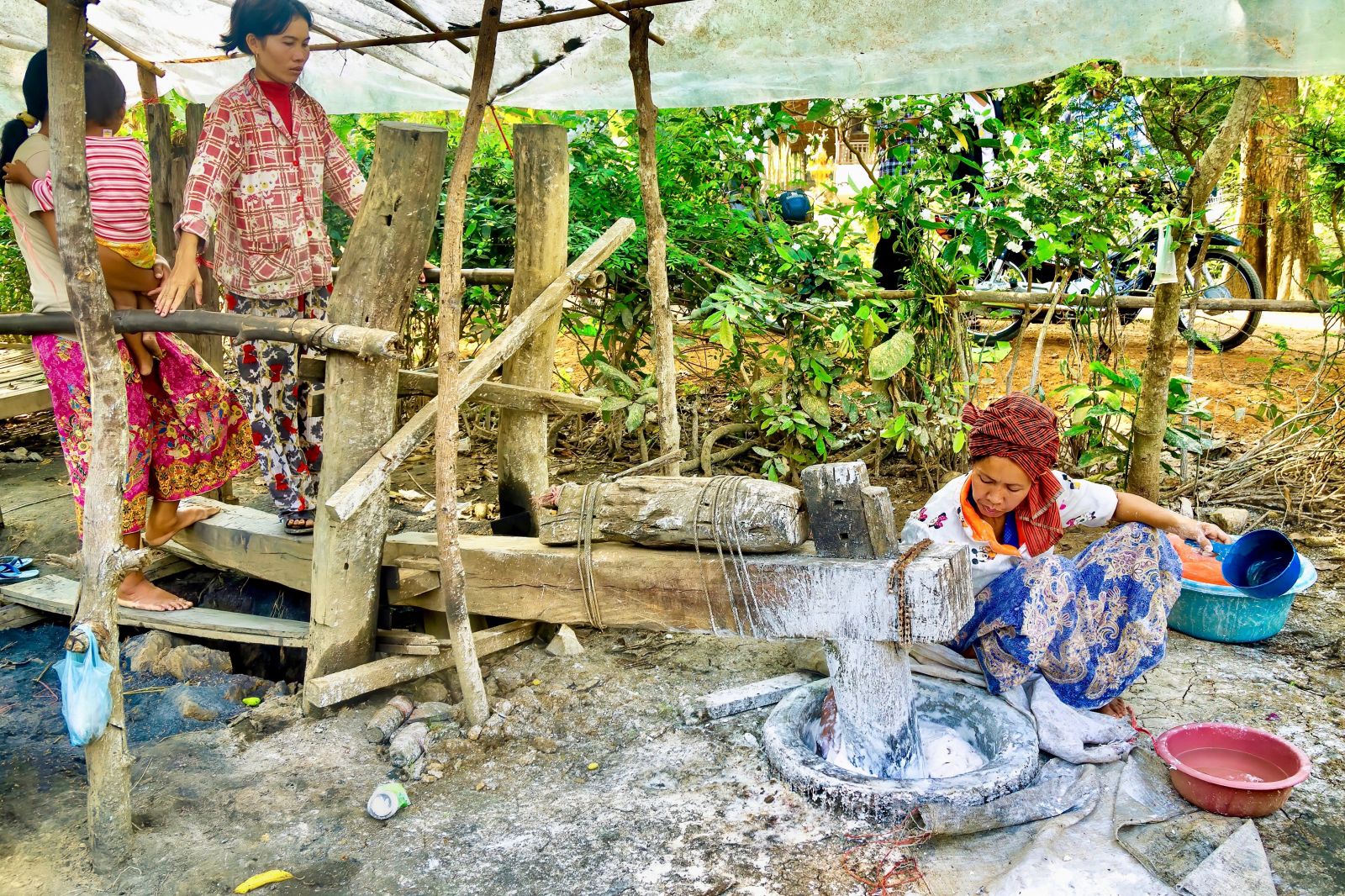
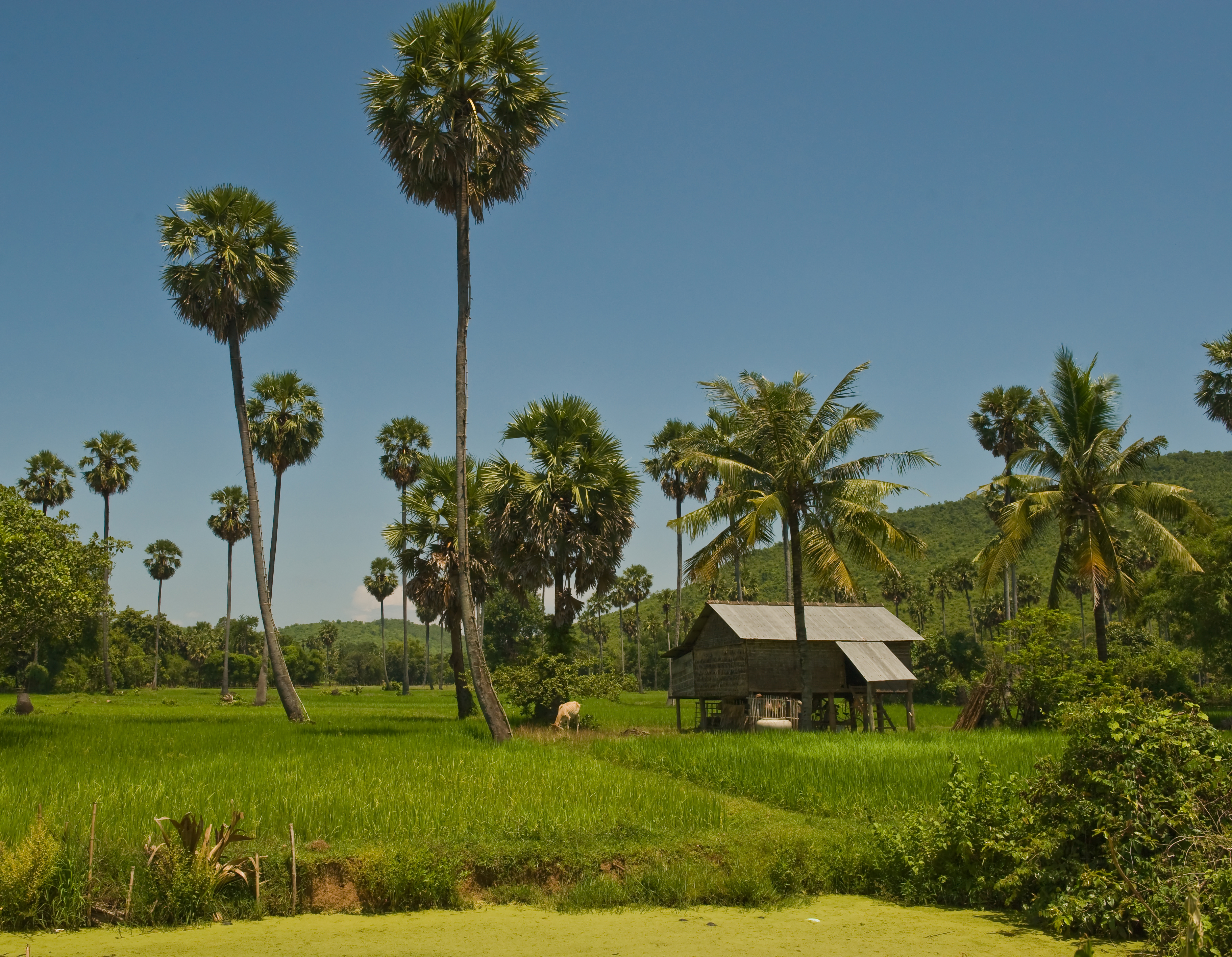
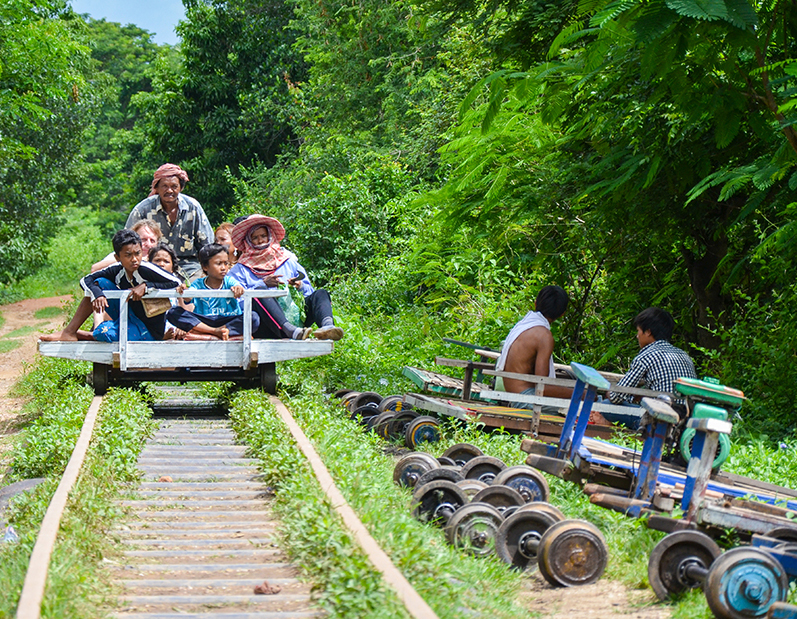
Continuing northwest, this sense of immersion deepens as the landscape opens into an ever-changing tapestry of rural life—rice fields shimmering in the sun, wooden stilt houses, roadside pagodas, and farmers tending their land. In and around Battambang, the cultural heart of this region, we move gently through these surroundings, at times along the simple tracks of the traditional bamboo train, with open views across rice paddies and distant palm trees.
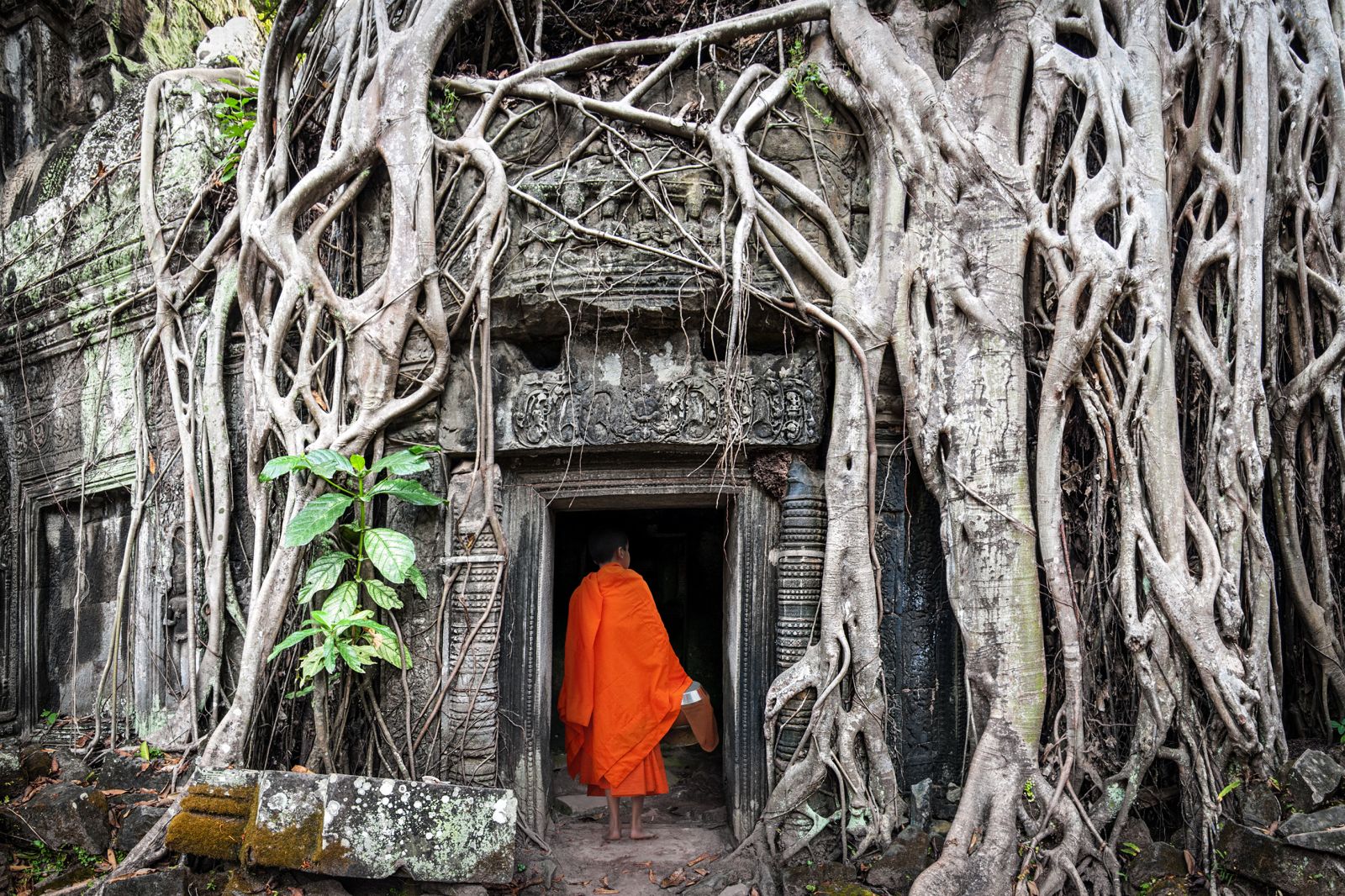
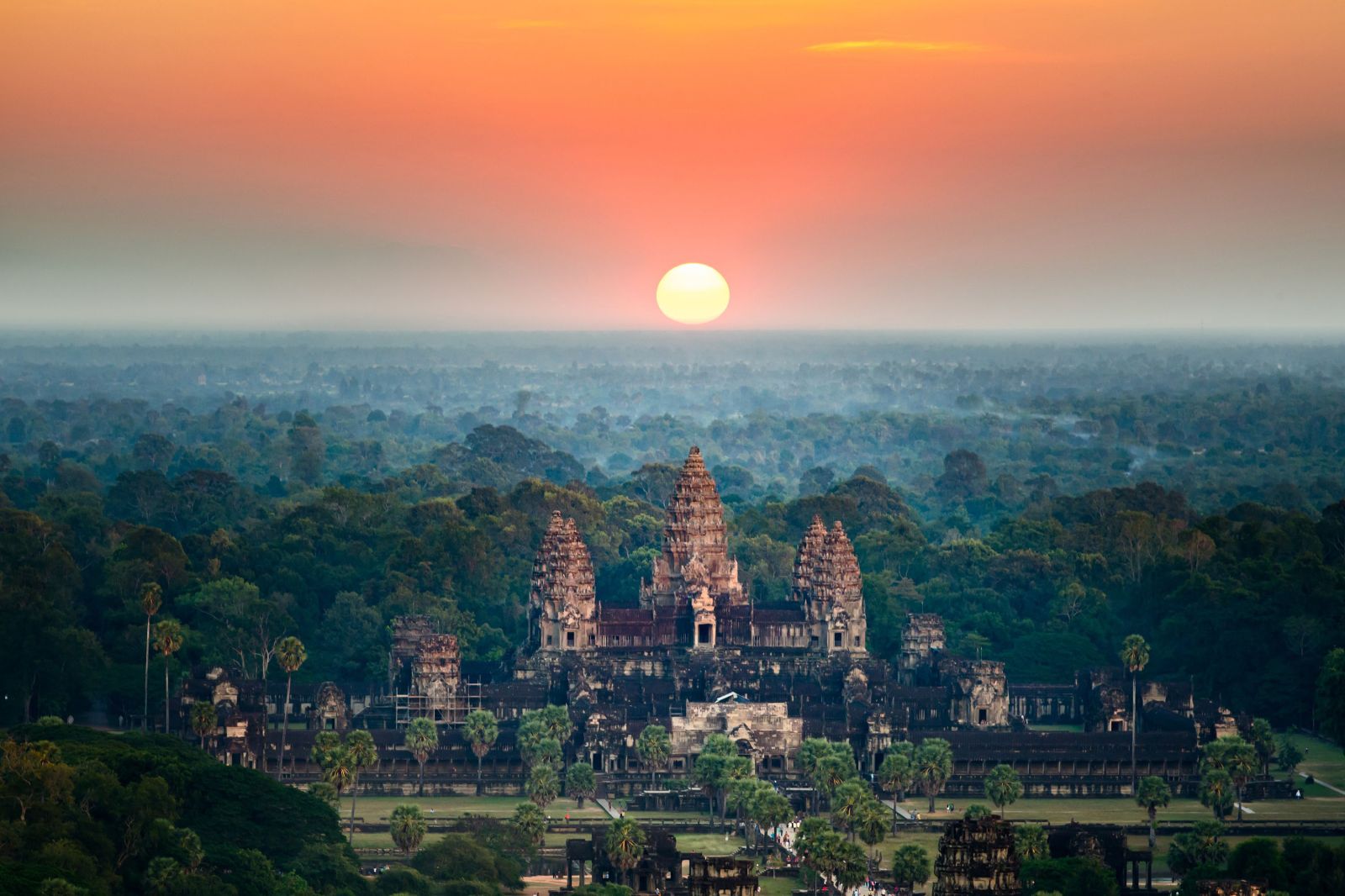
Grounded in this growing stillness, we continue toward Siem Reap by water, moving through floating villages, stilted homes, fishing boats, and protected bird sanctuaries—an unfolding that gradually draws us toward what is, for many, the profound heart of the journey: Angkor Wat. It is difficult to speak of Angkor Wat without diminishing it. It is not simply a place, but a vast and living mandala—a vision of the universe rendered in stone, expressing the relationship between human and divine creation, and pointing toward ultimate reality. Through presence, attention, and subtle practice, you are invited into direct encounter—to feel the temples as fields of living energy, to move within them as one might move within a sacred text, and to open to the possibility of being quietly, profoundly transformed.
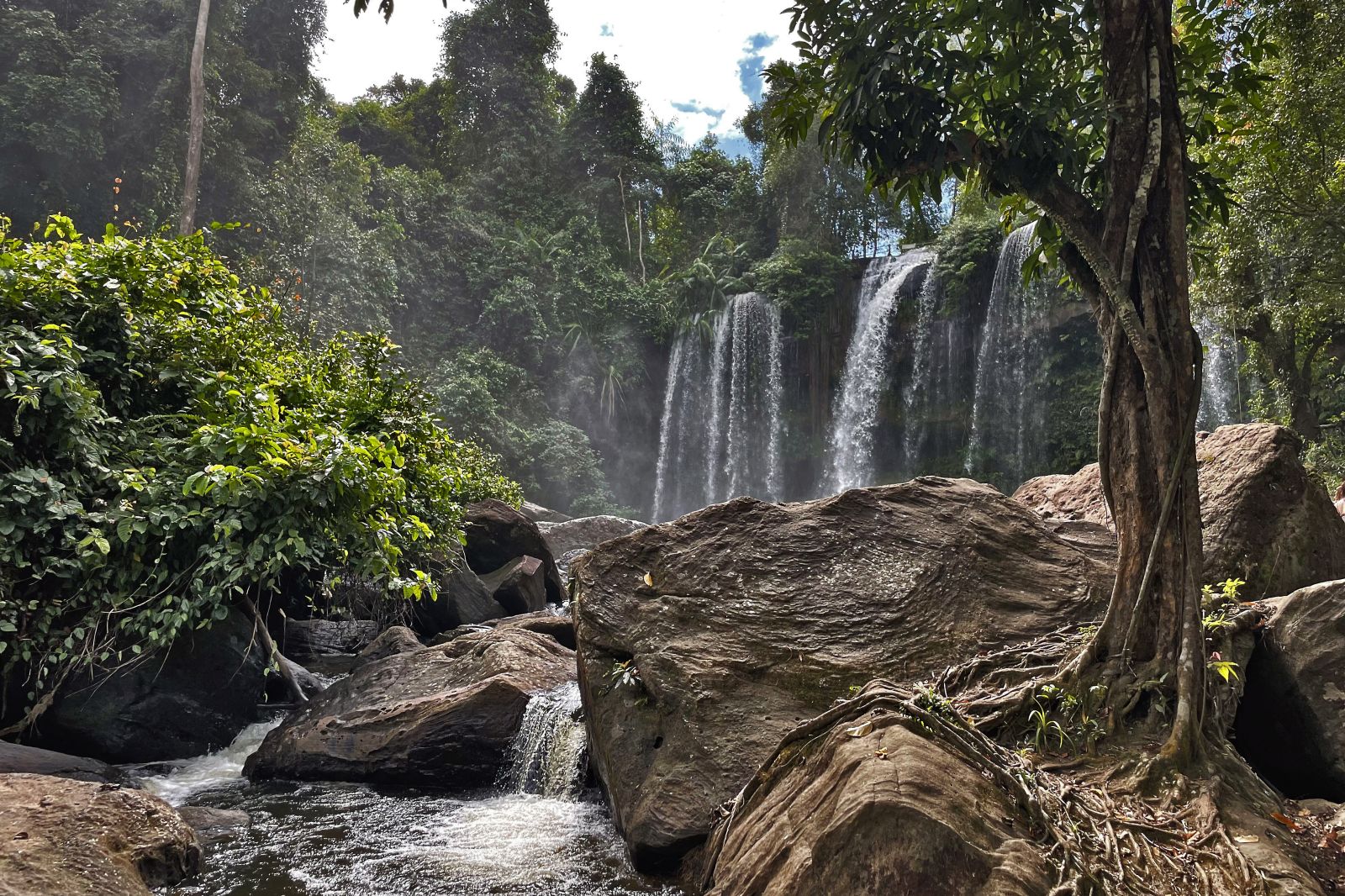
The final phase of the journey unfolds with gentleness and care as our time together draws to a close. There is time to reflect, to share, and to recognize what has shifted—what has opened, deepened, or taken root within you. You will carry more than memory. You will carry a different way of seeing, a deeper way of being—something that continues to unfold within you long after you return, quietly shaping how you meet the world and all that it asks of you.
If your soul feels called, we invite you to join Andrew on this deeply meaningful journey into the heart of Cambodia.
Your journey begins in Phnom Penh, Cambodia’s dynamic capital, where layers of history, culture, and daily life meet along the banks of the Mekong. Upon arrival, there is time to settle in and gently arrive—allowing the warmth of the tropical air and the steady rhythm of the city to draw you out of travel mode and into presence.
In the evening, we gather for our Welcome Dinner, the first shared moment of the journey. Over a meal of traditional Khmer cuisine—fragrant fish amok, richly spiced curries, and fresh tropical fruit—we come together as a group, meeting one another and marking the opening of our time in Cambodia. It is a moment to pause, to connect, and to set the tone for the days ahead
(Overnight in Phnom Penh at Anik Palace Hotel or similar)
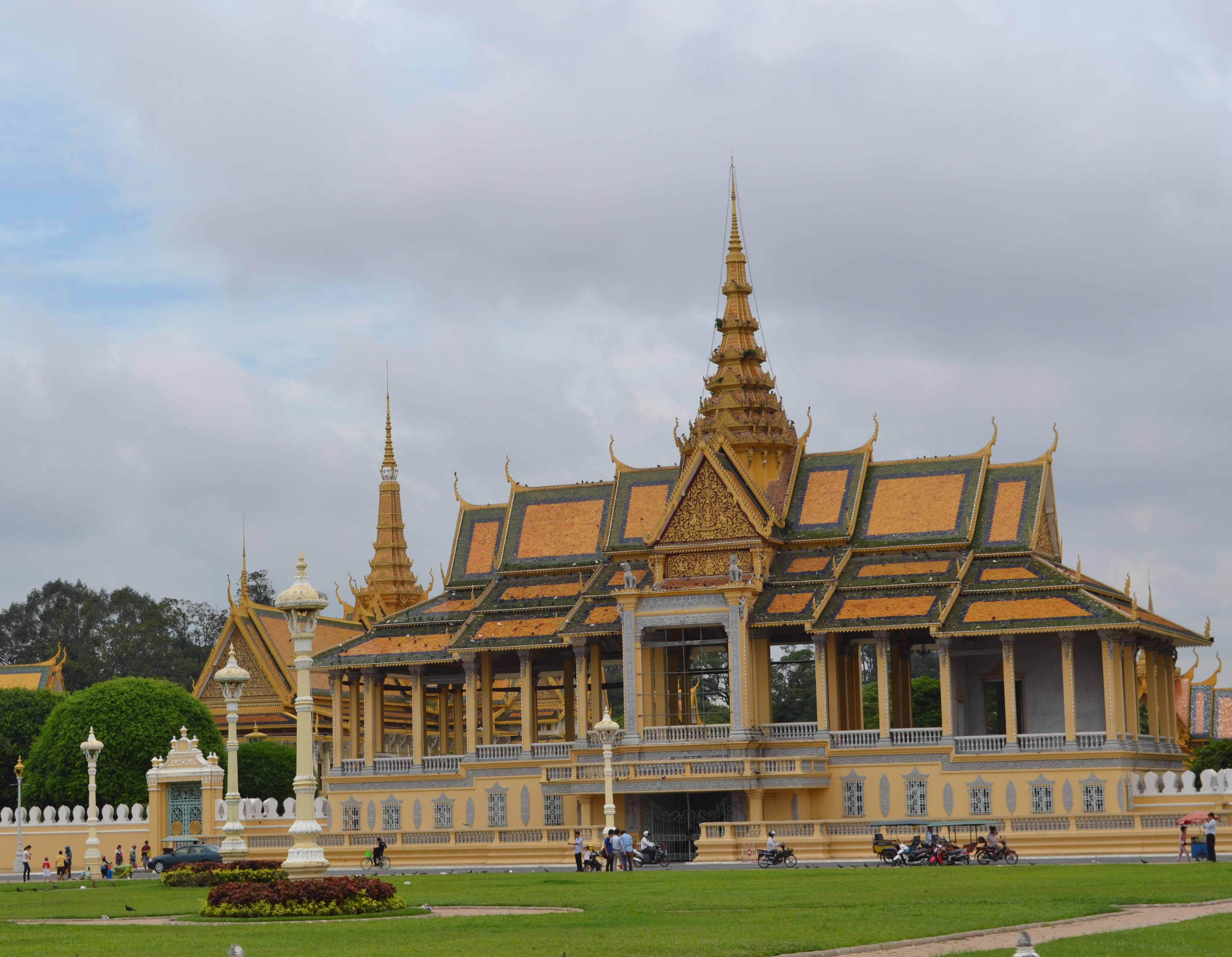
After breakfast, we set out to explore the cultural and historical heart of Phnom Penh. Our morning begins at the Royal Palace, an elegant expression of Khmer architecture and artistry. Wandering through the palace grounds, you’ll encounter tranquil gardens, ornate throne halls, and the renowned Silver Pagoda, whose floor is laid with thousands of gleaming silver tiles and which houses a number of sacred national treasures.
From here, we continue to the National Museum of Cambodia, home to an exceptional collection of Angkorian and pre-Angkorian sculpture and artifacts. The galleries offer a rich introduction to Cambodia’s artistic heritage and the spiritual traditions that have shaped the land for centuries.
At midday, we pause for lunch at a local restaurant, enjoying another opportunity to sample Khmer flavors and regional specialties.
In the late afternoon, we shift pace and take to the water for a sunset boat cruise along the Tonle Sap and Mekong Rivers. From the river, Phnom Penh reveals itself more quietly—fishermen at work, families gathering along the banks, and the steady movement of life unfolding as the sky softens into evening light.
Returning to shore in the early evening, the rest of the night is yours to enjoy at leisure—whether dining along the riverside promenade, exploring nearby streets, or simply resting at the hotel.
(Overnight in Phnom Penh at Anik Palace Hotel or similar)
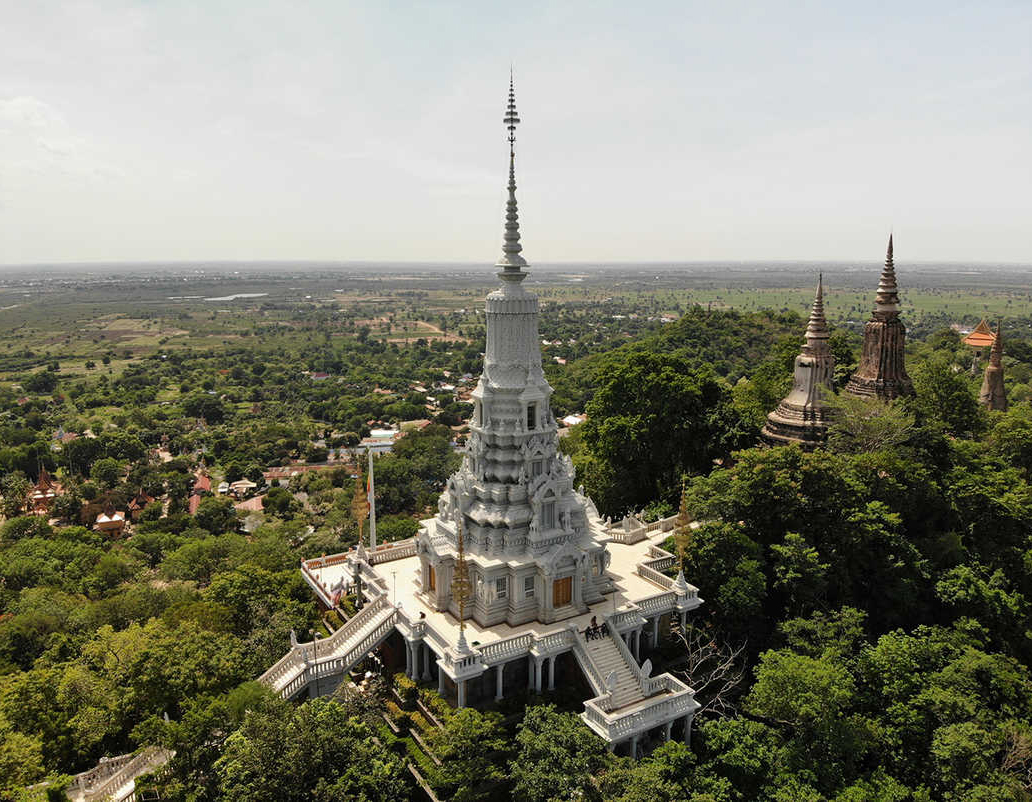
This morning we travel beyond Phnom Penh toward Oudong, Cambodia’s former royal capital and a place long regarded as sacred. Once the seat of the kingdom for more than two centuries, this hilltop site offers both historical depth and sweeping views across the surrounding countryside.
At the summit, we visit the Royal Stupas, a collection of memorials honoring former kings and national figures. From here, the landscape opens outward—rice fields, quiet villages, and distant hills stretching toward the horizon—inviting a moment of pause before continuing on.
We enjoy lunch at a local restaurant before continuing south through the rural landscapes of southern Cambodia. Along the way, the scenery shifts to small farming communities, open fields, and glimpses of everyday life.
By late afternoon, we arrive in Kampot, a relaxed riverside town known for its colonial architecture and unhurried pace. After checking in, there is time to stroll along the Kampot River, where cafés line the water and the day naturally slows.
The evening is yours to enjoy at leisure—perhaps over a meal featuring local seafood and the region’s famed Kampot pepper.
(Overnight in Kampot at Good Time Relax Resort or similar)
Today unfolds at a slower pace as we explore the peaceful countryside surrounding Kampot—a landscape of river plains, salt fields, and limestone hills rising unexpectedly from the flatlands.
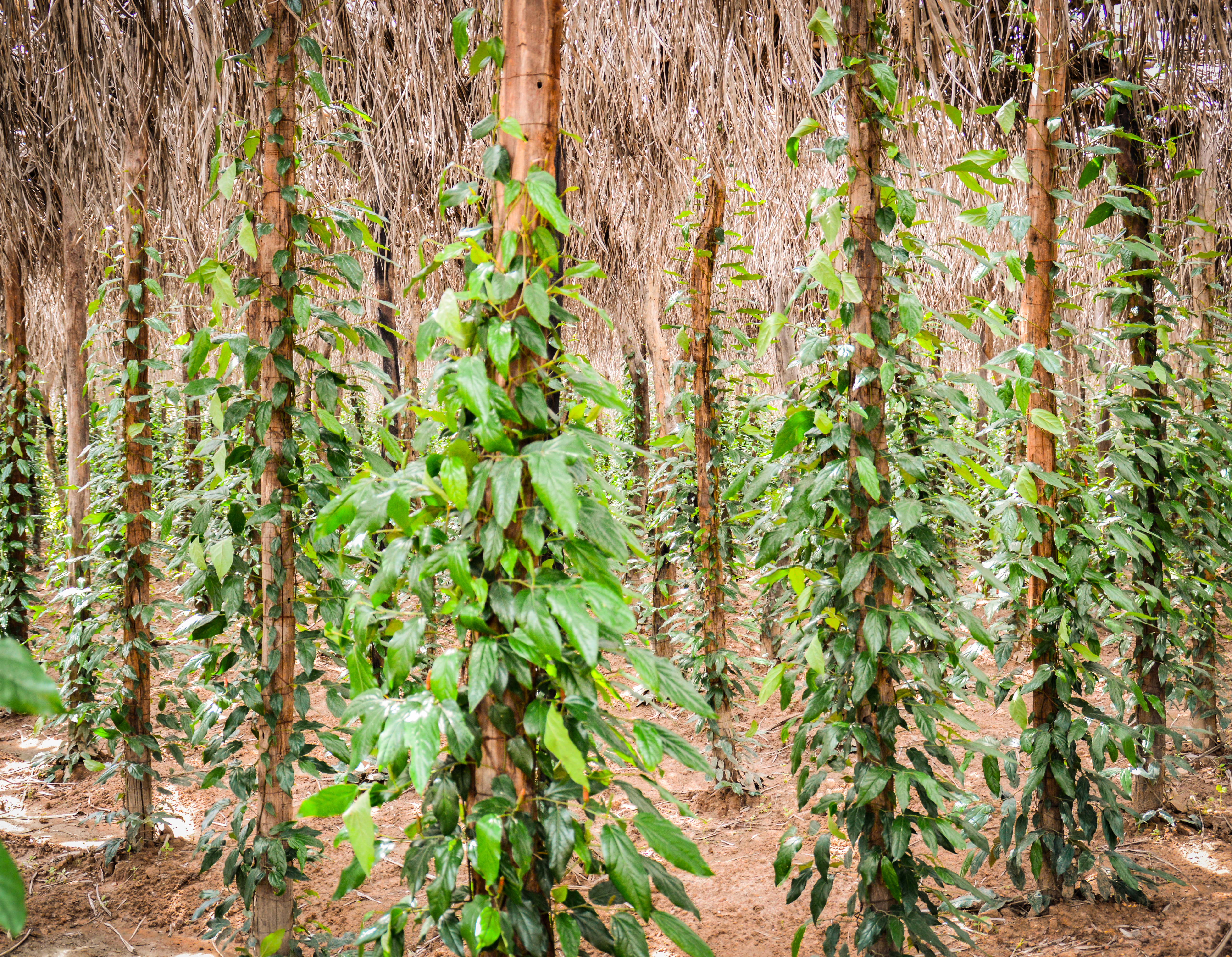
Our morning includes a visit to one of the region’s renowned pepper plantations, where Kampot’s world-famous pepper is grown using traditional methods passed down through generations. Here, we learn about the careful cultivation and harvesting process and sample the distinct flavors of black, red, and white pepper, each reflecting the character of the land itself.
We then continue to Phnom Chhnork Cave Temple, a hidden 7th-century brick sanctuary tucked within a limestone cave. A short climb leads to this ancient site, where early carvings and the quiet enclosure of stone create a strong sense of continuity with the past.
Late in the morning, we travel along the coast to the seaside town of Kep, once a favored retreat for Cambodia’s elite. After checking in to the hotel, the afternoon is free to enjoy the town’s relaxed coastal atmosphere—perhaps walking along the promenade, relaxing by the pool, or visiting the lively Kep Crab Market, known for its freshly caught blue crab.
The evening is at leisure.
(Overnight in Kep at Samanea Beach Resort or similar)
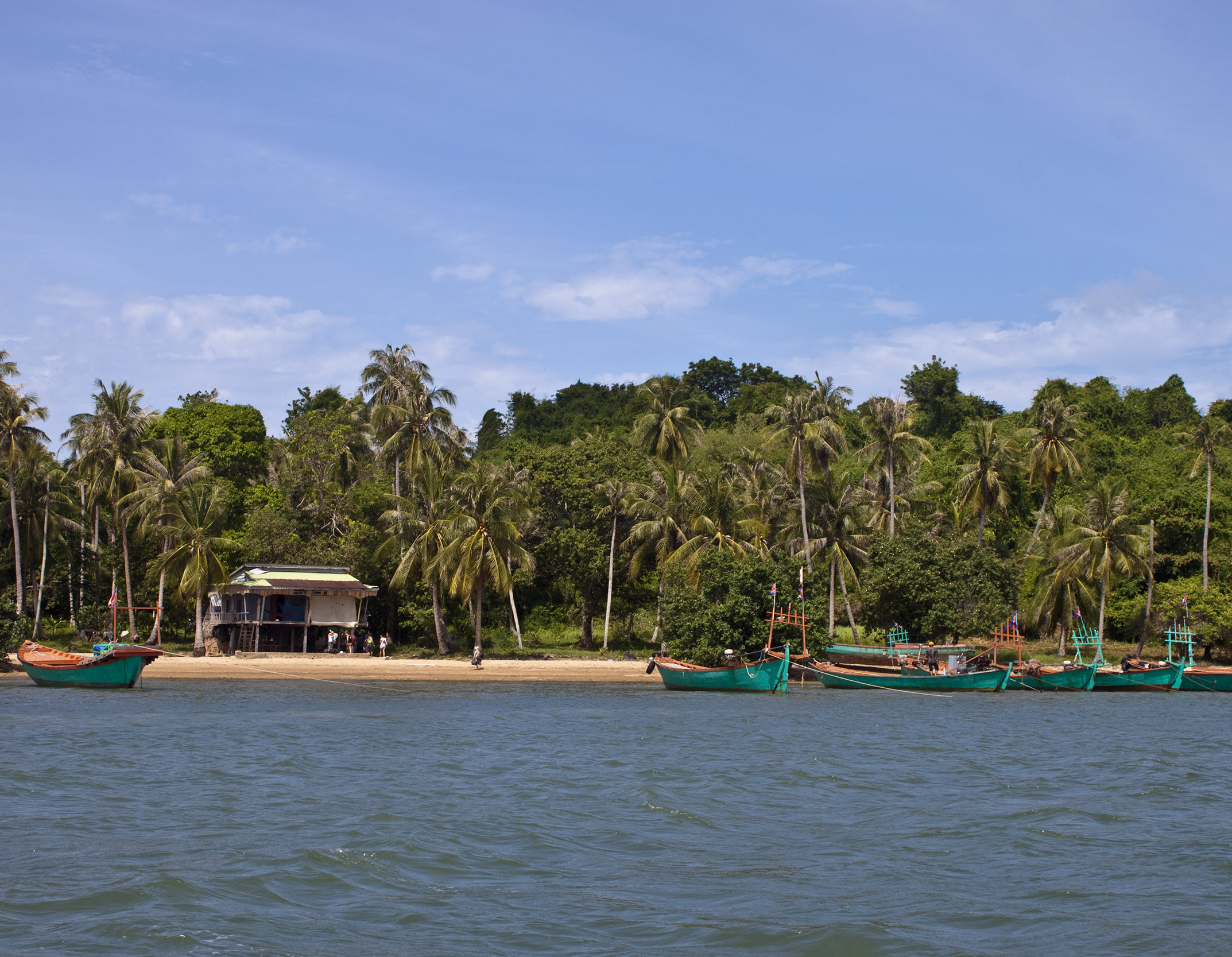
After breakfast, we set out by boat, crossing the calm waters of the Gulf of Thailand to reach Rabbit Island—known locally as Koh Tonsay. Just a short distance from the mainland, the island feels a world apart, where the pace of life softens and the horizon opens wide.
Arriving at its quiet shores, the day unfolds without structure. Simple wooden pavilions rest beneath swaying palms, and the gentle rhythm of the sea invites you to slow down completely. You may choose to swim in the warm, clear waters, walk along the sandy beach, or settle into a hammock with the sound of waves moving steadily in the background.
Small, family-run beach huts offer freshly prepared Khmer dishes and seafood, caught and cooked the same day, providing an easy and unhurried option for lunch at your leisure.
In the afternoon, we return by boat to Kep, where the remainder of the day is yours to enjoy at your own pace—perhaps watching the light shift along the coast or settling into the quiet comforts of the hotel.
(Overnight in Kep at Samanea Beach Resort or similar)
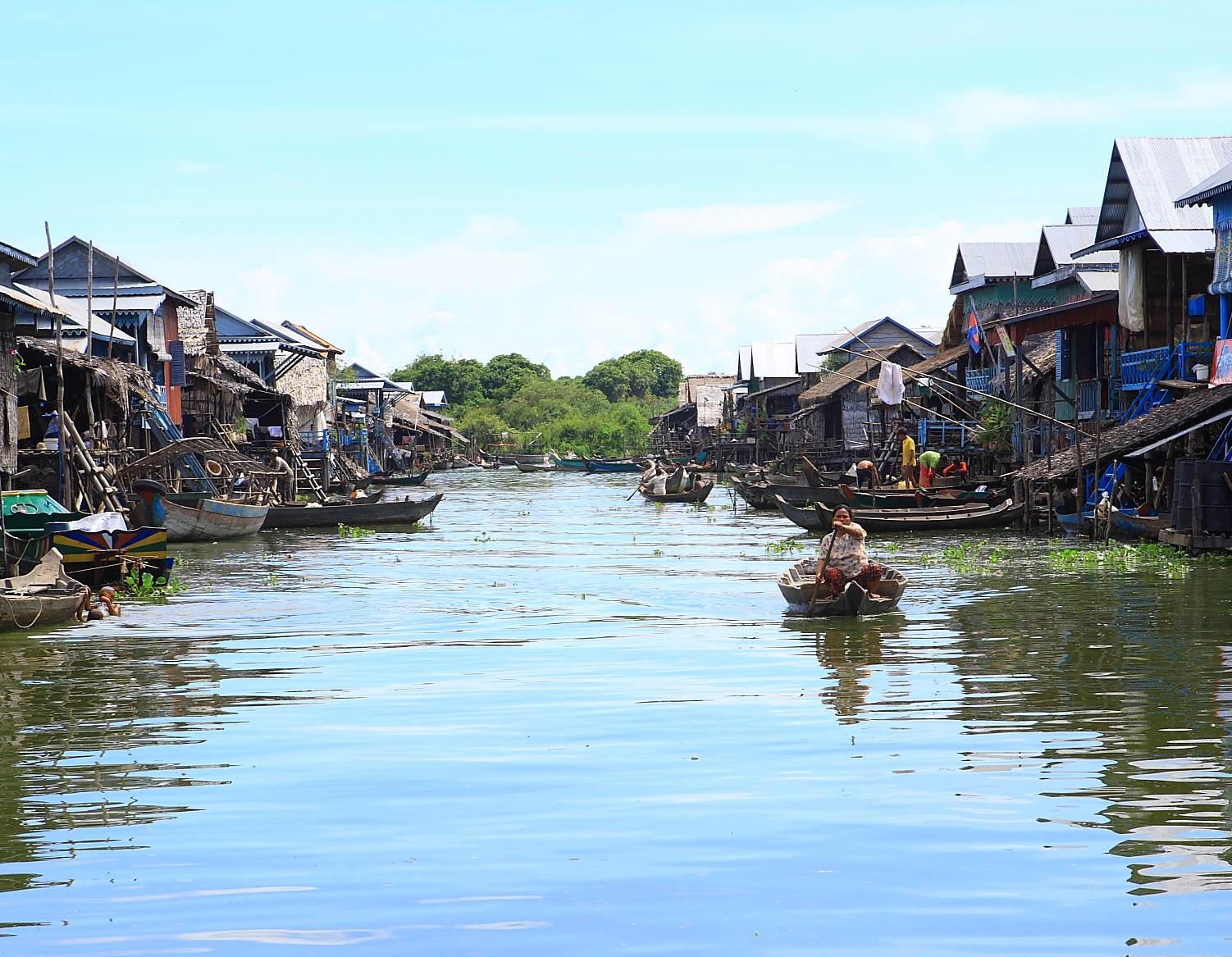
Leaving the coast behind, the journey turns inland as we travel north through Cambodia’s rural heartland toward Kampong Chhnang. This lesser-visited province, set along the Tonle Sap River, is known for its pottery traditions and river-based communities.
The drive itself offers a vivid glimpse into countryside life—wide rice fields, wooden stilt houses, grazing cattle, and small roadside markets selling tropical fruit and local snacks. We pause along the way for lunch at a local restaurant before continuing onward.
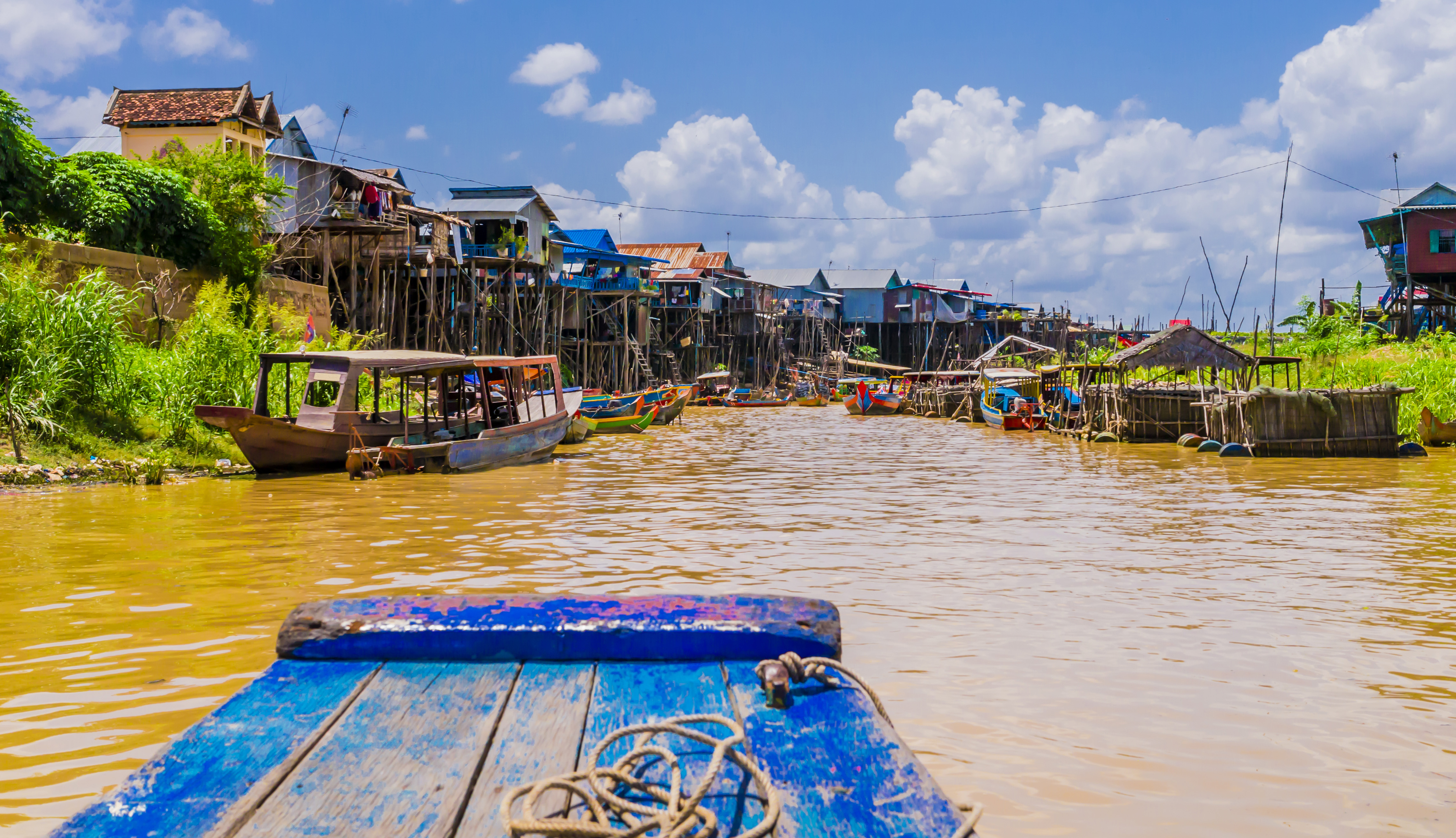
In the afternoon, we visit a floating village where homes, schools, and shops move with the seasonal rise and fall of the water. Traveling by boat through the waterways provides insight into daily life in these river communities, shaped by fishing, trade, and close ties to the land and water.
Later, we arrive at our hotel and settle in for a quiet evening, with time to rest and reflect in this culturally rich, less travelled part of Cambodia.
(Overnight in Sameakki Mean Chey at the Farm House Resort or similar)
We continue northwest through Cambodia’s fertile countryside, leaving Kampong Chhnang behind as the landscape gradually shifts along the way.
The drive offers a rich portrait of rural life—sunlit rice fields, wooden stilt houses, small roadside pagodas, and farmers working the land in rhythms shaped by long tradition. This quieter stretch of the country feels distinctly removed from Cambodia’s busier travel routes.
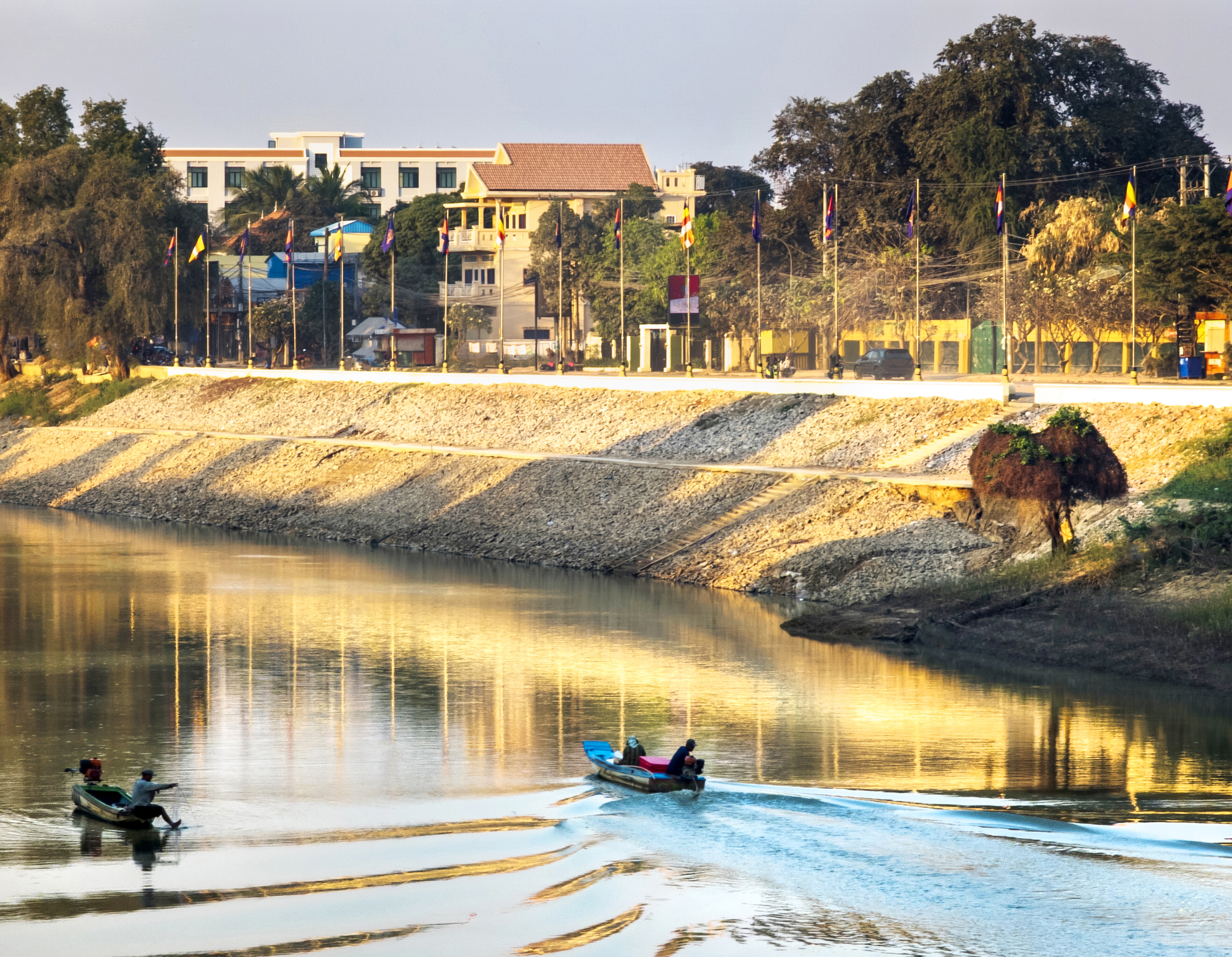
By midday, we arrive in Battambang, Cambodia’s second-largest city and widely regarded as its artistic and cultural heart. Set along the Sangker River, the town is known for its graceful French colonial architecture, tree-lined streets, and relaxed riverside atmosphere.
After checking in to the hotel, the afternoon is free to enjoy at your own pace. You may wish to stroll along the river, visit local art galleries, or simply settle in and take in the gentle rhythm of the town.
(Overnight in Battambang at Maisons Wat Kor or similar)
The morning is devoted to exploring Battambang and its surrounding countryside by tuk tuk, an easy and intimate way to move through local neighborhoods and rural landscapes.
As we travel, we pass through small villages where everyday life unfolds—families producing rice paper, drying bananas, and preparing fermented fish paste using time-honored methods. Short visits to local workshops offer a glimpse into crafts and practices that continue to shape daily life in this region.
Later, we experience one of Battambang’s most distinctive traditions: the Bamboo Train (Norry). Riding this simple wooden platform along old railway tracks, we move through open countryside framed by rice paddies and palm trees—a playful and memorable expression of local ingenuity.
Returning to town in the afternoon, the remainder of the day is free to enjoy at your own pace. You may wish to linger in a café, wander Battambang’s colonial streets, or simply relax at the hotel.
(Overnight in Battambang at Maisons Wat Kor or similar)
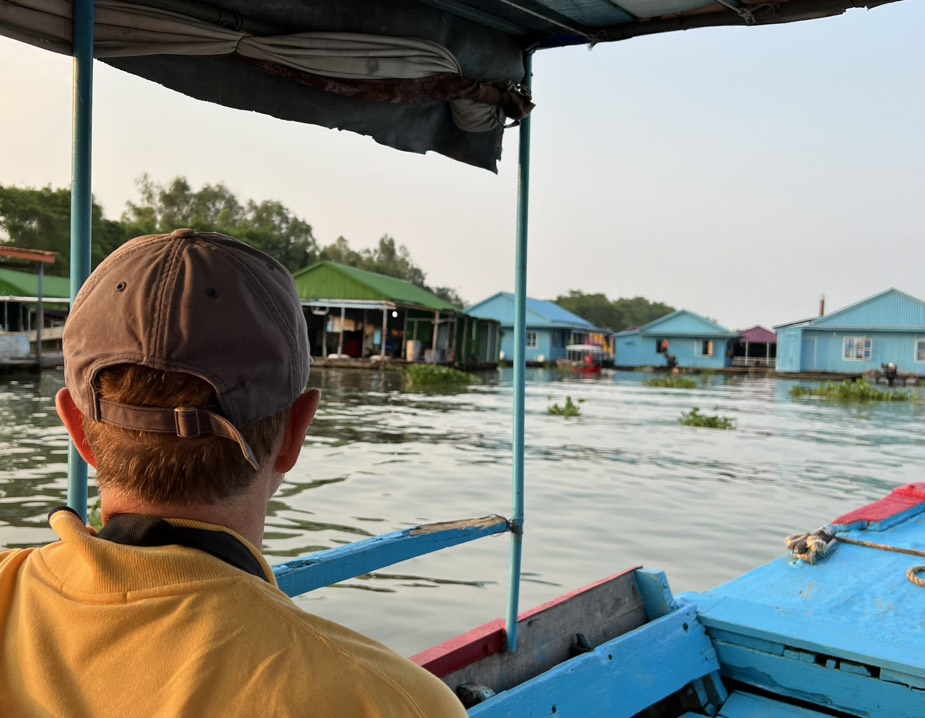
Water becomes our pathway today as we journey by boat from Battambang toward Siem Reap, traveling across the vast expanse of Tonle Sap Lake, Southeast Asia’s largest freshwater lake and the ecological heart of Cambodia.
Moving through narrow channels and out onto open water, we pass floating villages, stilted homes, and fishing boats—scenes of daily life shaped by the seasonal rhythms of the lake. The landscape shifts as we go, at times revealing flooded forests and at others opening into wide horizons where water and sky meet.
Along the route, we pass near the Prek Toal Bird Sanctuary, an important refuge for wetland birdlife. Depending on the season and water levels, there may be opportunities to observe the lake’s rich ecosystems and the communities that live in close relationship with them.
By late afternoon, we arrive in Siem Reap, the gateway to the Angkor temple complex. After transferring to the hotel and settling in, we gather in the evening for a shared dinner at a local restaurant, marking the transition into the next phase of our journey.
(Overnight in Siem Reap at Lotus Blanc Resort or similar)
Today, we enter the ancient world of Angkor, where stone, jungle, and spirit exist in quiet conversation.
Our morning begins at Ta Prohm, one of Angkor’s most evocative temples. Here, towering silk-cotton trees and strangler figs entwine with crumbling walls and shadowed corridors, creating a powerful sense of nature reclaiming what was once sacred space. Walking through its galleries feels both intimate and timeless.
From Ta Prohm, we continue to Angkor Wat, the spiritual heart of Cambodia and the largest religious monument in the world. Its harmonious design, soaring lotus towers, and intricate bas-reliefs—depicting celestial dancers and epic mythologies—offer a profound expression of devotion, balance, and sacred geometry.
Later in the morning, we step beyond the temples for a specially arranged countryside picnic lunch, enjoyed in a peaceful rural setting near the Angkor complex. Shaded by palms and surrounded by rice fields, this quiet pause offers a gentle contrast to the grandeur of the temples and a moment to rest amid village life.
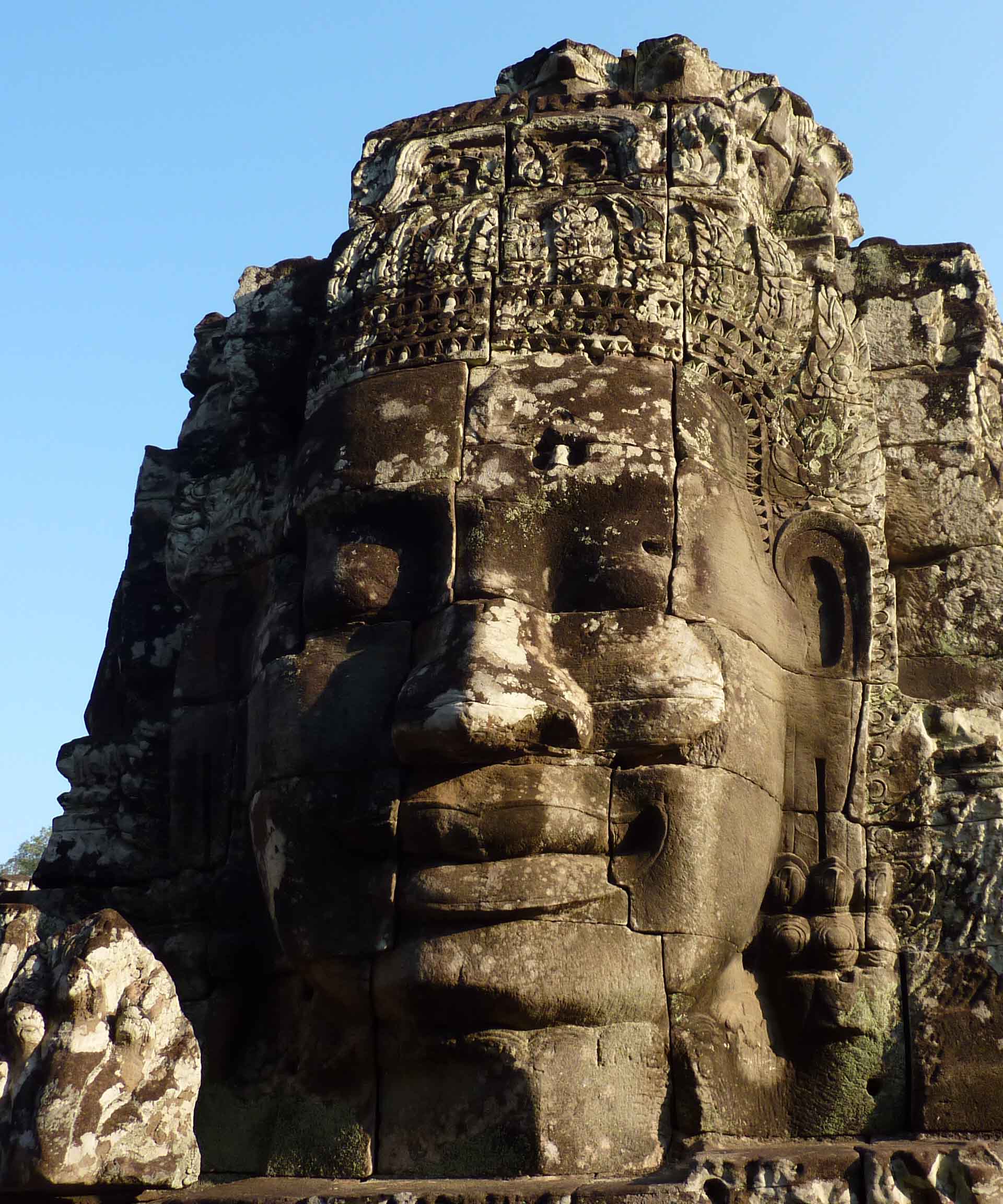
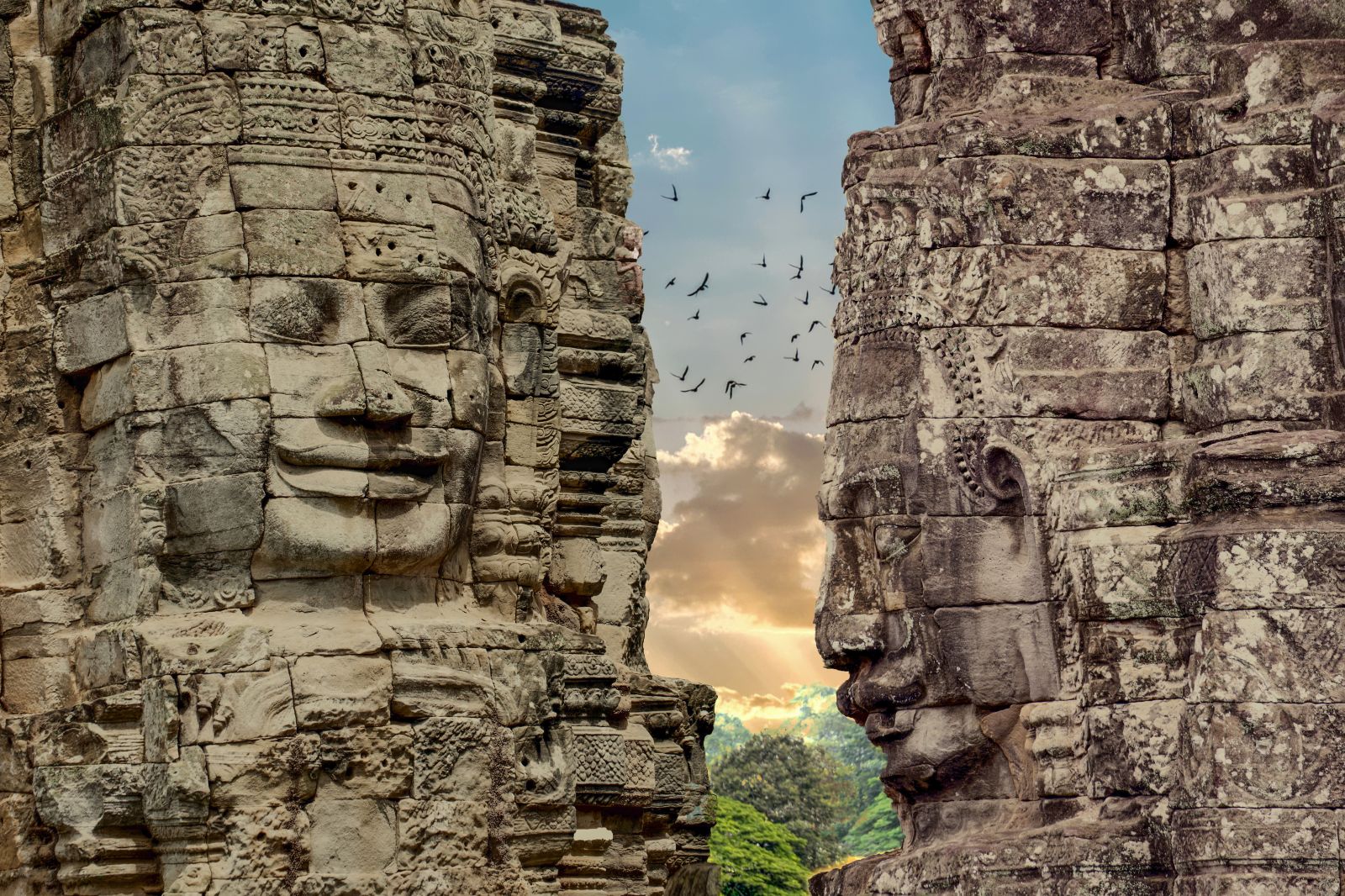
In the afternoon, we explore Angkor Thom, the great walled city entered through its monumental South Gate, lined with serene stone faces. At its center stands the Bayon Temple, known for its many smiling visages gazing outward from towering spires, creating an atmosphere that feels both majestic and deeply human.
As the day eases toward evening, we conclude with a gondola boat ride along the ancient moat of Angkor Thom. With a sunset cocktail in hand, we watch the fading light reflect across the water—a calm and contemplative close to a day immersed in Angkor’s enduring presence.
(Overnight in Siem Reap at Lotus Blanc Resort or similar)
After breakfast, we travel north toward the forested foothills of Phnom Kulen, where nature and devotion have long been intertwined. Our first visit is to Kbal Spean, known as the River of a Thousand Lingas. A gentle walk through the jungle leads to a sacred riverbed carved with ancient Hindu symbols and deities, revealed beneath flowing water. The quiet forest setting lends a sense of reverence to this hidden and contemplative site.
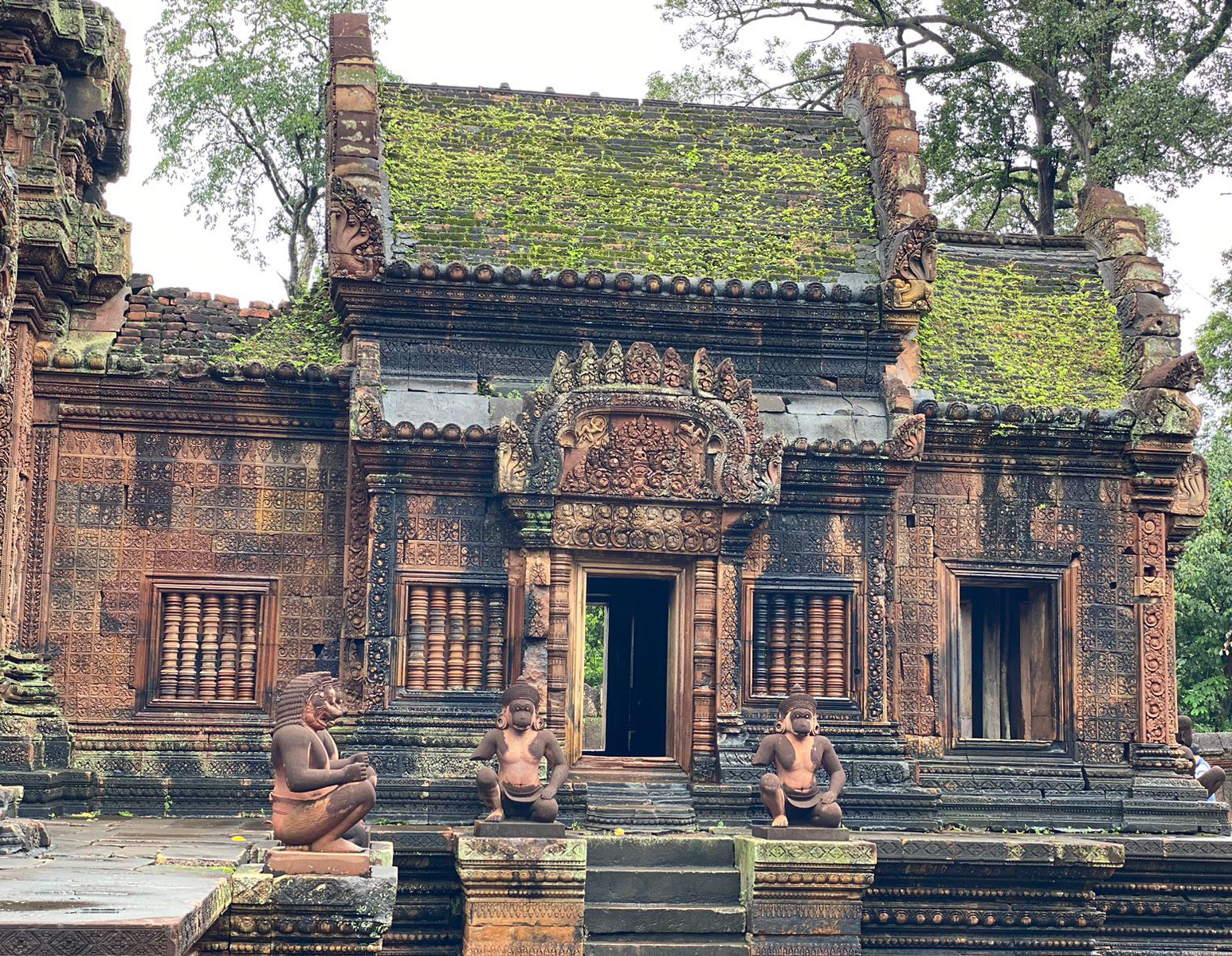
We continue to Banteay Srei, often called the Citadel of Women. Crafted from warm pink sandstone, this 10th-century temple is celebrated for its exceptionally fine carvings, whose detail and delicacy mark it as one of the great masterpieces of Khmer art.
Nearby, we visit Banteay Samre, a beautifully restored temple set amid open countryside. With fewer visitors and a serene atmosphere, it offers space to linger and reflect, allowing the architecture and setting to speak quietly for themselves.
In the late afternoon, we visit a local pagoda for a Buddhist blessing ceremony. Monks chant sacred prayers and gently sprinkle holy water, offering blessings for health, peace, and well-being—a meaningful way to connect with Cambodia’s living spiritual traditions.
This evening, we gather for a special dinner at a local restaurant.
(Overnight in Siem Reap at Lotus Blanc Resort or similar)
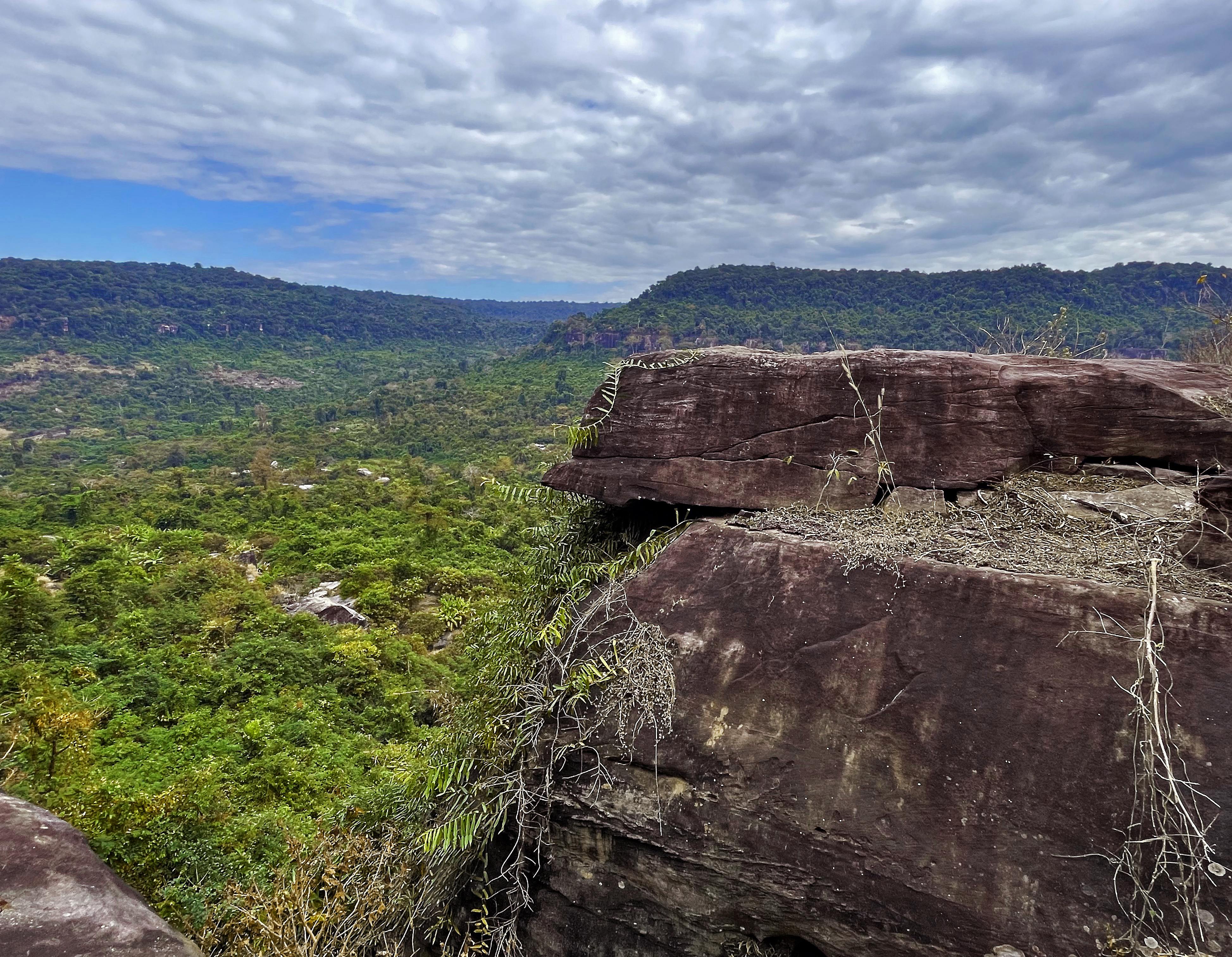
Today we journey north to Phnom Kulen, a mountain long held as sacred and widely regarded as the birthplace of the ancient Khmer Empire. Rising above the plains beyond Angkor, it is a place where nature and devotion meet in quiet continuity.
Our first visit is to the River of a Thousand Lingas, where ancient carvings lie beneath the flowing riverbed, their presence both subtle and profound. As water passes over these sacred symbols, it is believed to carry blessings to the lands below, connecting mountain and plain in an enduring spiritual current.
We continue to the summit pagoda, home to a reclining Buddha carved directly into sandstone. Set within the forest, this serene site invites a moment of stillness—an opportunity to pause within a landscape shaped by centuries of reverence.
From here, we make our way to Kulen Waterfall, where clear water spills over rock into natural pools below. Time is given to wander, rest, or take a refreshing swim, allowing the surroundings to set their own gentle rhythm.
Lunch is enjoyed during the excursion, and in the afternoon we return to Siem Reap, carrying with us the quiet presence of this sacred mountain.
(Overnight in Siem Reap at Lotus Blanc Resort or similar)
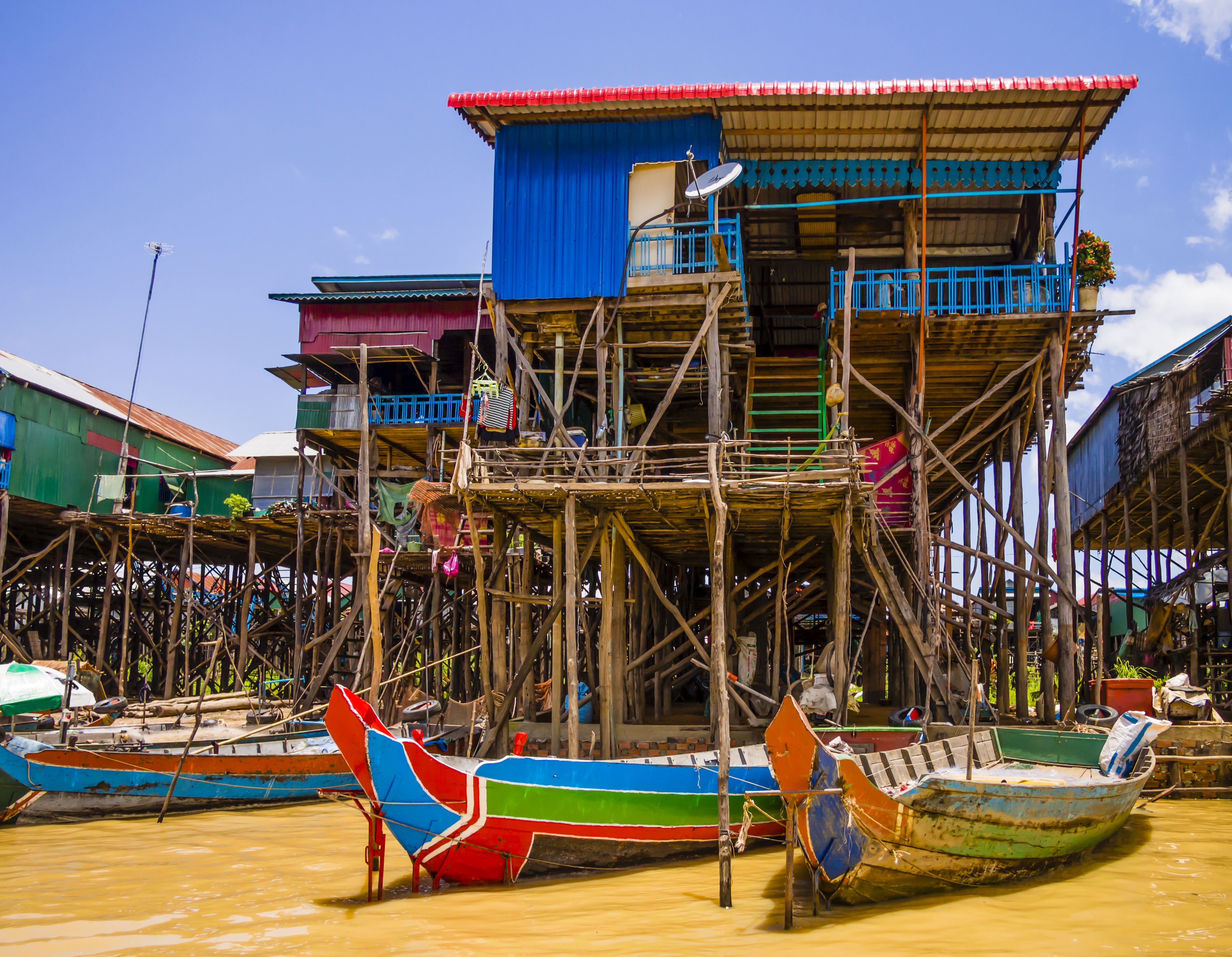
This morning we visit Kampong Phluk, a floating and stilted village on the edge of Tonle Sap Lake, where life rises and falls with the seasonal waters. Traveling by boat through flooded forests and narrow waterways, we witness homes lifted high on stilts and daily routines shaped entirely by the rhythms of the lake.
Returning to Siem Reap, we visit APOPO’s Visitor Center for a powerful and informative introduction to humanitarian demining in Cambodia. Here, we learn how trained detection rats are helping to safely clear landmines, offering an inspiring example of innovation, resilience, and long-term recovery in post-conflict communities.
In the evening, we gather for dinner before attending a performance by Phare, The Cambodian Circus. Through a dynamic blend of theater, music, acrobatics, and contemporary storytelling, the show reflects both the challenges and creativity of modern Cambodia. Performed by young Cambodian artists and rooted in community education, it is an experience that is as meaningful as it is memorable.
(Overnight in Siem Reap at Lotus Blanc Resort or similar)
As your time in Cambodia draws to a close, you leave with more than memories of ancient temples and timeless landscapes. You carry with you the rhythms of daily life on water and land, moments of quiet reverence, shared meals, laughter, and the enduring warmth of Khmer hospitality.
On this last day, you will be transferred to Siem Reap International Airport in time for your departing flight. As you journey onward, may the spirit of Cambodia remain with you—lingering softly, and continuing to unfold long after you return home.
(B = Breakfast; L = Lunch; D = Dinner)
Note: Itinerary and speakers are subject to change due to conditions beyond our control.