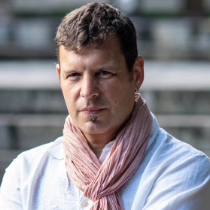
Dr. Miles Neale is a psychotherapist, teacher of Tibetan Buddhism, and author with twenty-five years of experience integrating science and spirituality.
MOREWalk the Portuguese Camino with Dr. Miles Neale on an initiatory pilgrimage devoted to compassion, resilience, and the cultivation of the pilgrim’s mindset.
Moving through northern Portugal and Galicia, we journey on foot through historic towns, forested paths, rivers, vineyards, monasteries, and village roads, allowing the rhythm of walking to open space for reflection, connection, and inner renewal. Guided by Dr. Miles Neale, this pilgrimage combines sacred walking, meditation, cultural immersion, group inquiry, and shared practice, inviting us to meet the outer path as a mirror for the inner one. READ MORE
Dr. Miles Neale is a psychotherapist, teacher of Tibetan Buddhism, and author with twenty-five years of experience integrating science and spirituality.
MORE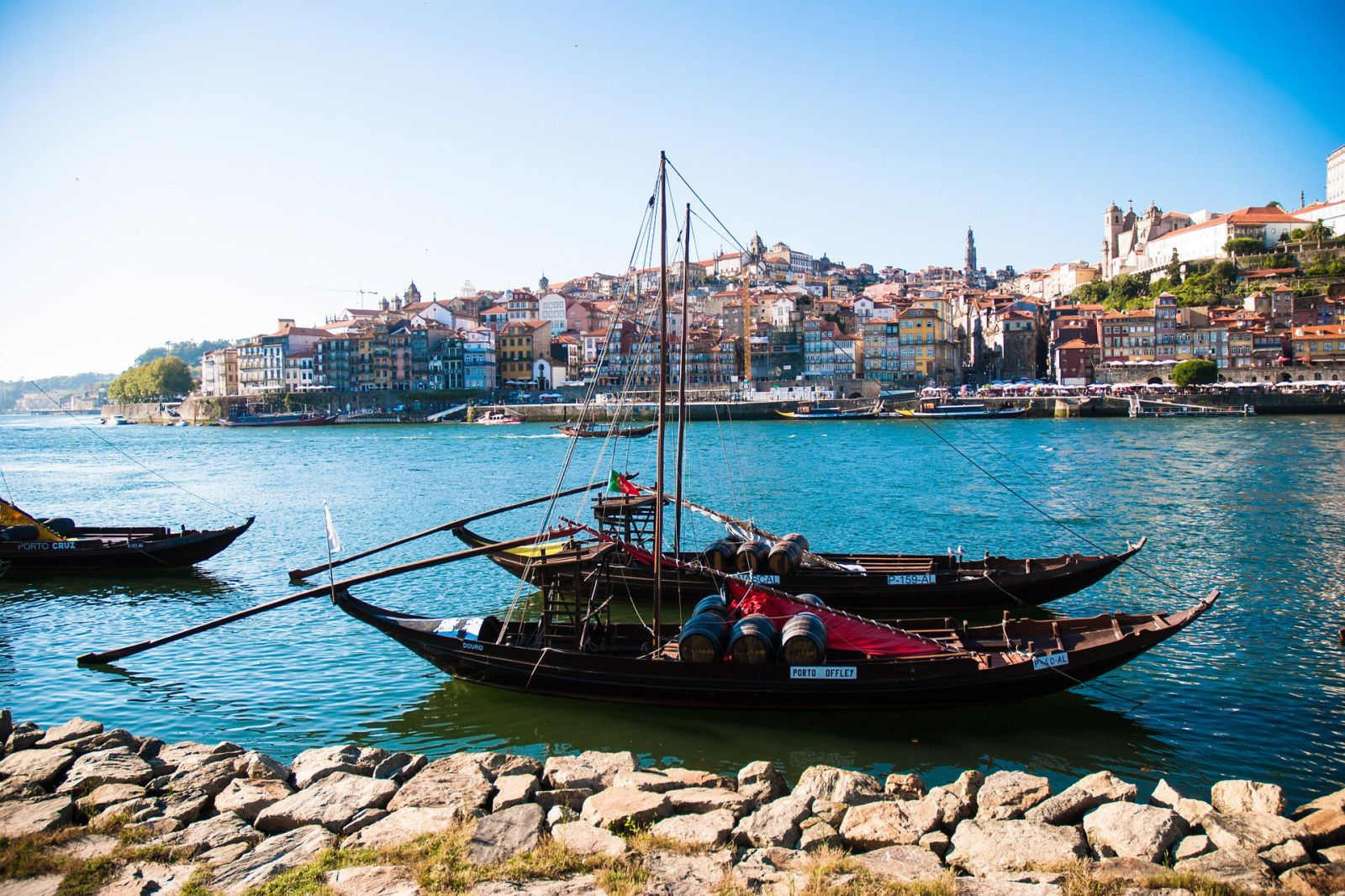
Tour Description
The Camino is the outward path for developing the pilgrim’s mindset.
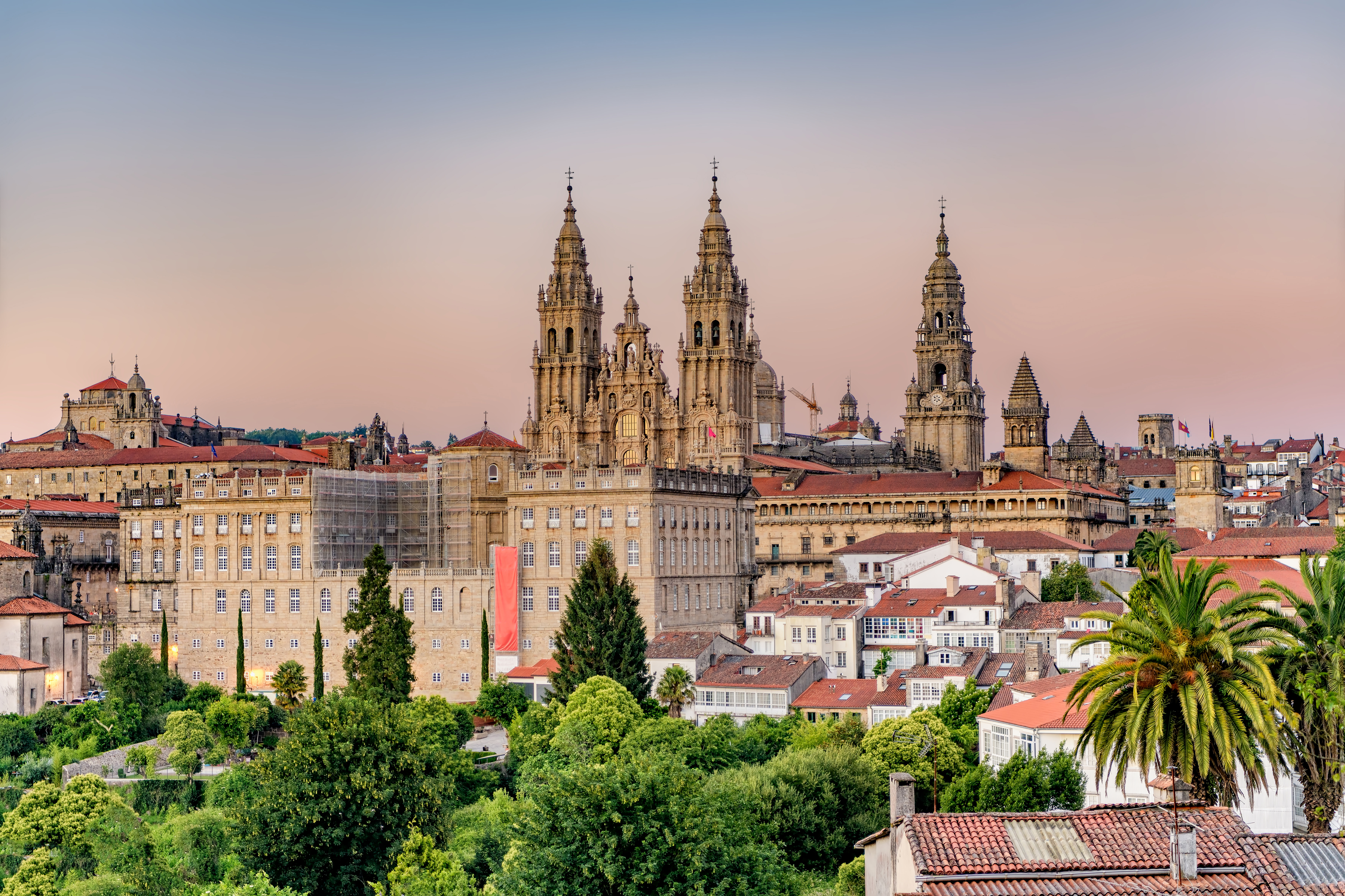
For over a thousand years, pilgrims have walked toward Santiago de Compostela seeking healing and forgiveness. In 2027, we will follow selected stages of the Portuguese Camino, walking approximately 177 km / 110 miles from northern Portugal into Galicia and onward to the Cathedral of Santiago, the celebrated shrine of St. James the Apostle.
This journey is not only about reaching the sacred destination of Santiago. It is about learning how to walk skillfully through life, transforming challenges into the elixirs of humility, resilience, creativity, and compassion. The Camino sets the stage for an initiatory process for developing these qualities. The body tires. Plans change. Emotions surface. Other people’s needs press against our own. The path becomes a teacher, the way becomes an alchemical crucible, and what arises within us becomes the raw material to be transformed.
The Walk of Compassion focuses on the relational dimension of pilgrimage. Through Miles’ signature walk-and-talk method, we will use the rhythm of walking to explore what is moving through the body, psyche, dreams, group dynamics, and environment. This is an embodied, bottom-up approach to insight. Wisdom is not delivered only from the teacher. It emerges through the ancient path beneath our feet, the verdant landscape around us, the vibrant Spanish culture, the conversations we share, and each pilgrim’s lived experience.
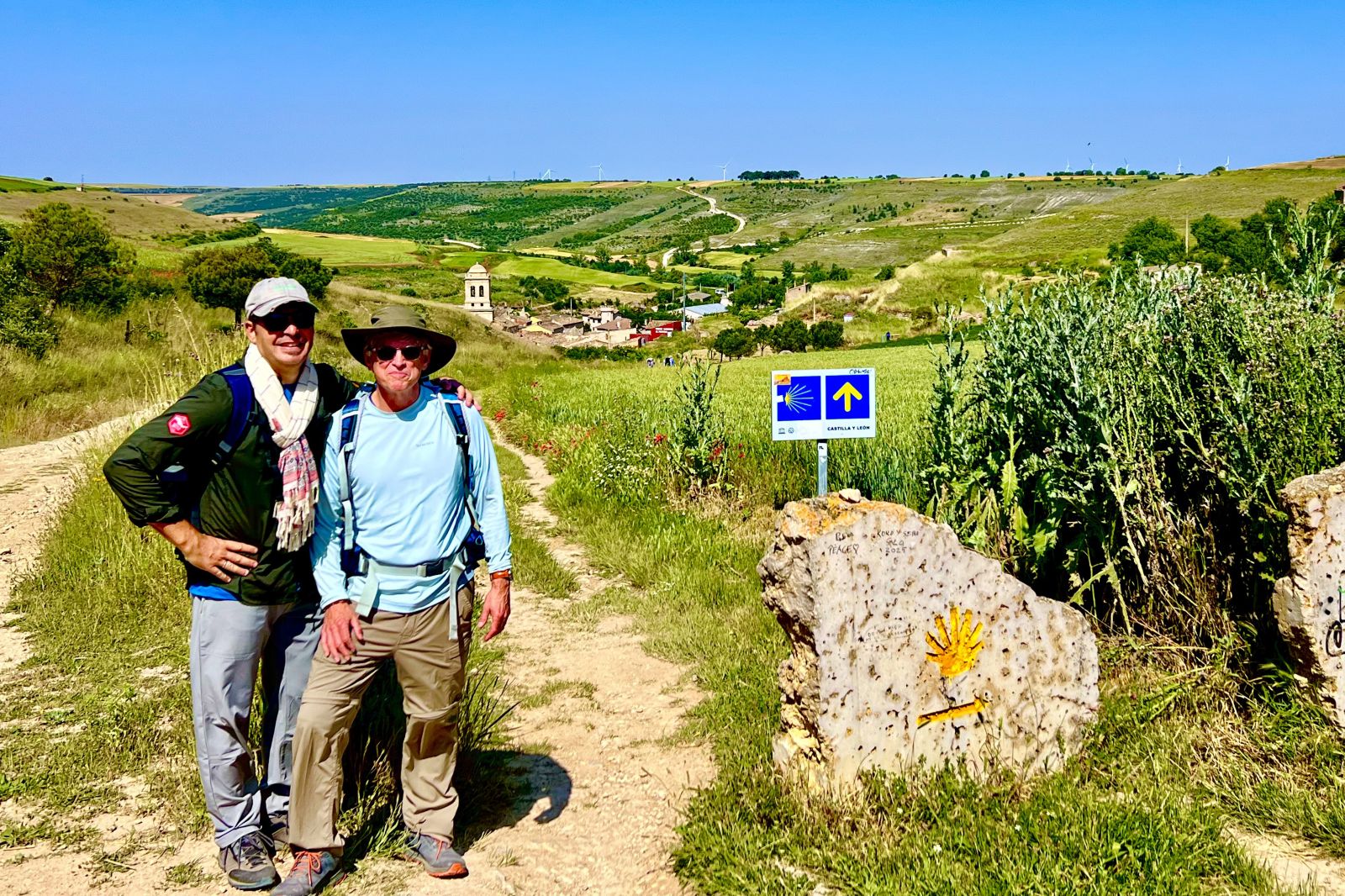
Drawing from Jungian psychology, trauma healing, and Tibetan Buddhism, Miles will guide the group in practices of meditation and self-reflection, as well as open inquiry and empathic listening. We will learn to meet our own fears and wounds with compassion, and from that ground, extend greater presence and patience toward others. Shantideva, the great tenth-century Indian Mahayana master of compassion, and St. James, beloved apostle of Christ, whose shrine has drawn pilgrims for centuries, will serve as guiding archetypes for this walk of healing and service.
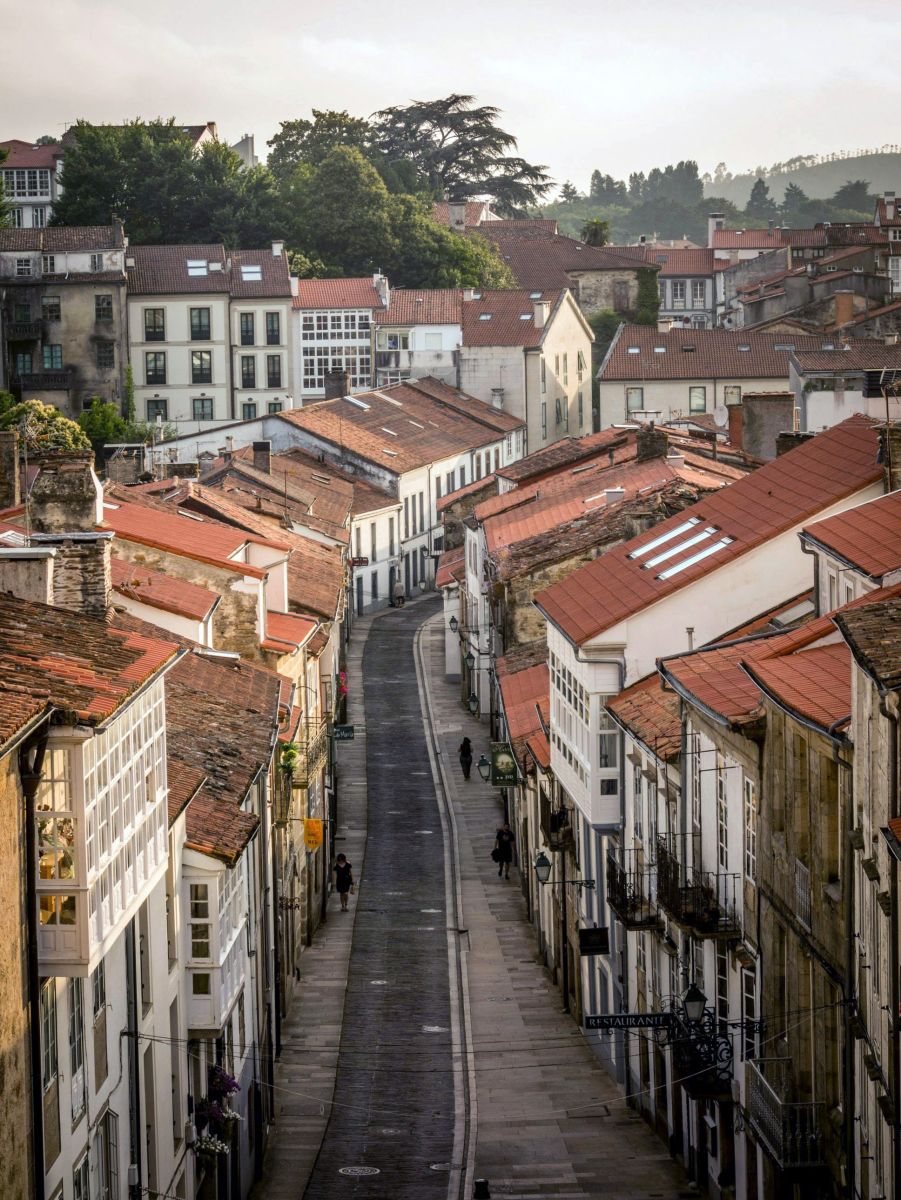
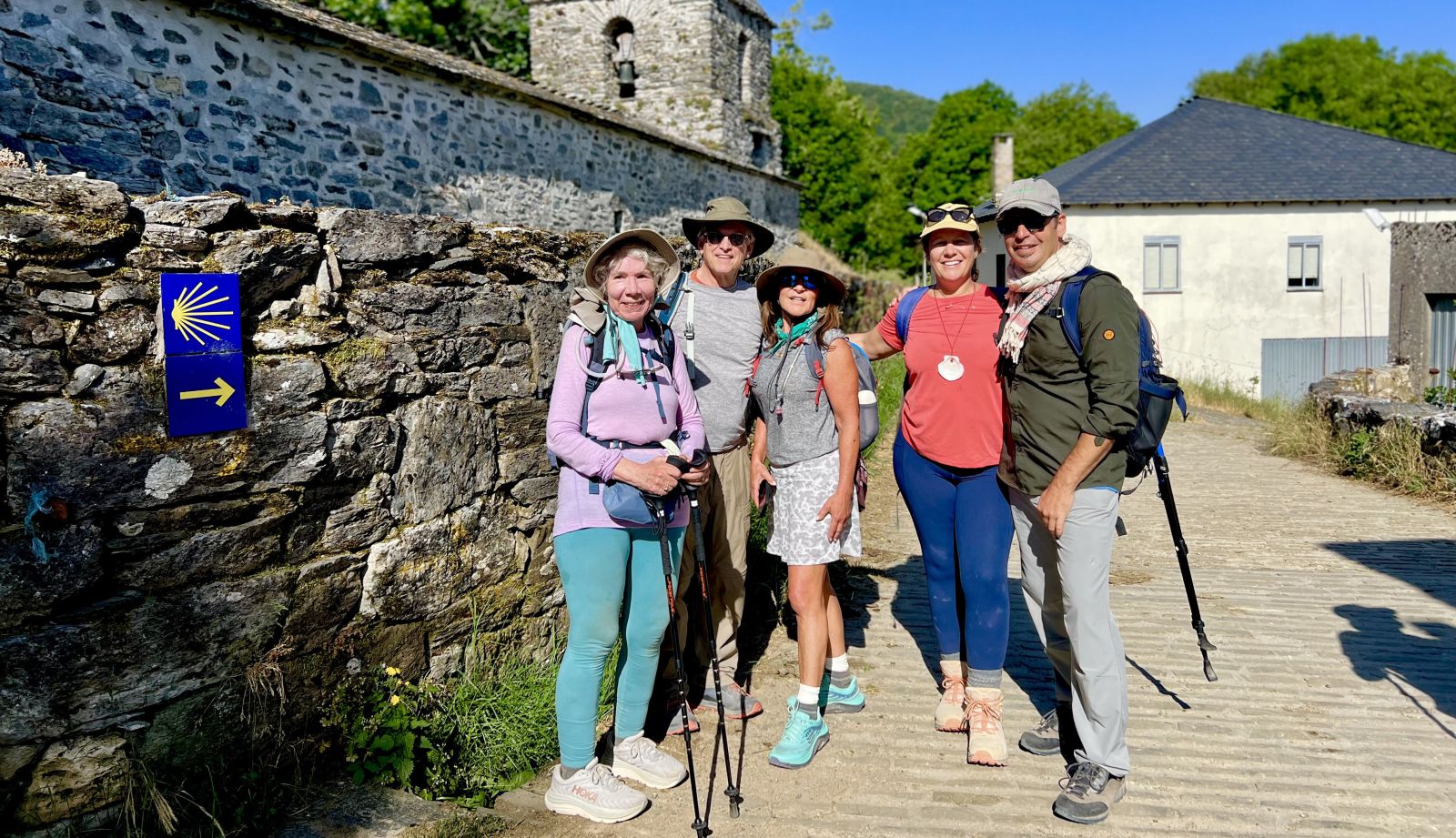
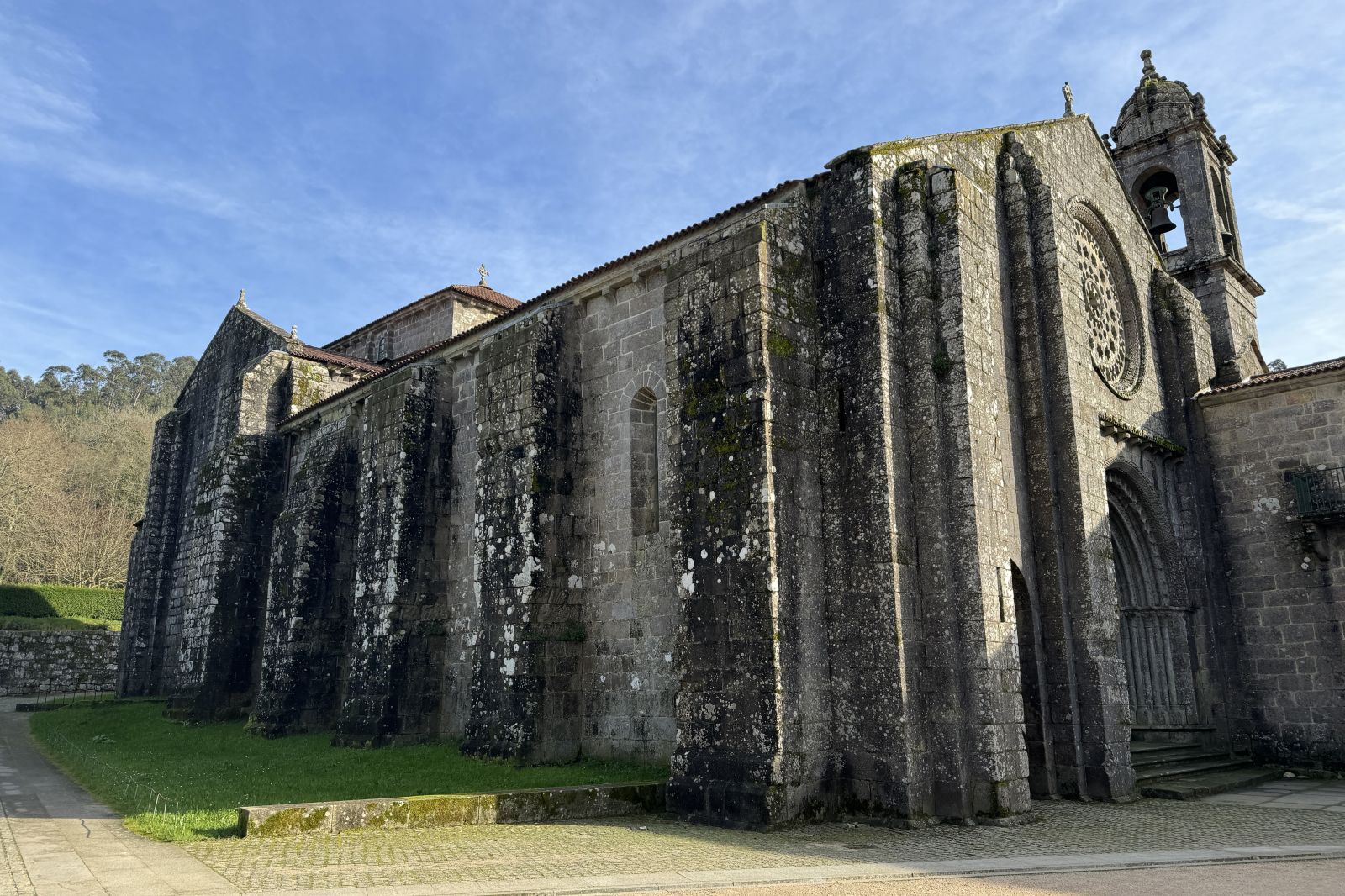
Our route follows the Portuguese Way through villages, vineyards, forests, rivers, stone paths, and midlevel towns, including Barcelos, Ponte de Lima, Valença, Tui, Pontevedra, Caldas de Reis, Padrón, and Santiago. Two unique highlights bring special depth to the journey: Armenteira, with its monastery and quiet mountain setting, and the Ruta da Pedra e da Auga, a beautiful path of stone, water, forest, and old mills.
With pilgrim passports stamped along the way, we will walk toward Santiago with the opportunity to receive Camino certificates upon arrival. Earning this certificate also opens the possibility of becoming a dual pilgrim, should you later complete the sister pilgrimage on Japan’s Kumano Kodo. But the deeper endorsement is the one we carry home in the body, stamped by our inner guru: the knowledge that we can meet uncertainty with courage, impasses with creativity, and the misfortune of others with the open heart of compassion.
This tour is for those ready to become pilgrims rather than tourists: to meet breakdown and breakthrough, trial and treasure, as part of the same spiritual path towards wholeness, and to return home with the mindset and skills to help navigate the complexities of the new world now emerging. Step by step, the Camino teaches us that compassion is not simply something we feel—it is something we develop, embody, and carry back as medicine for a wounded world in rapid transition.
Preparing for the Camino: The Pilgrim’s Mindset
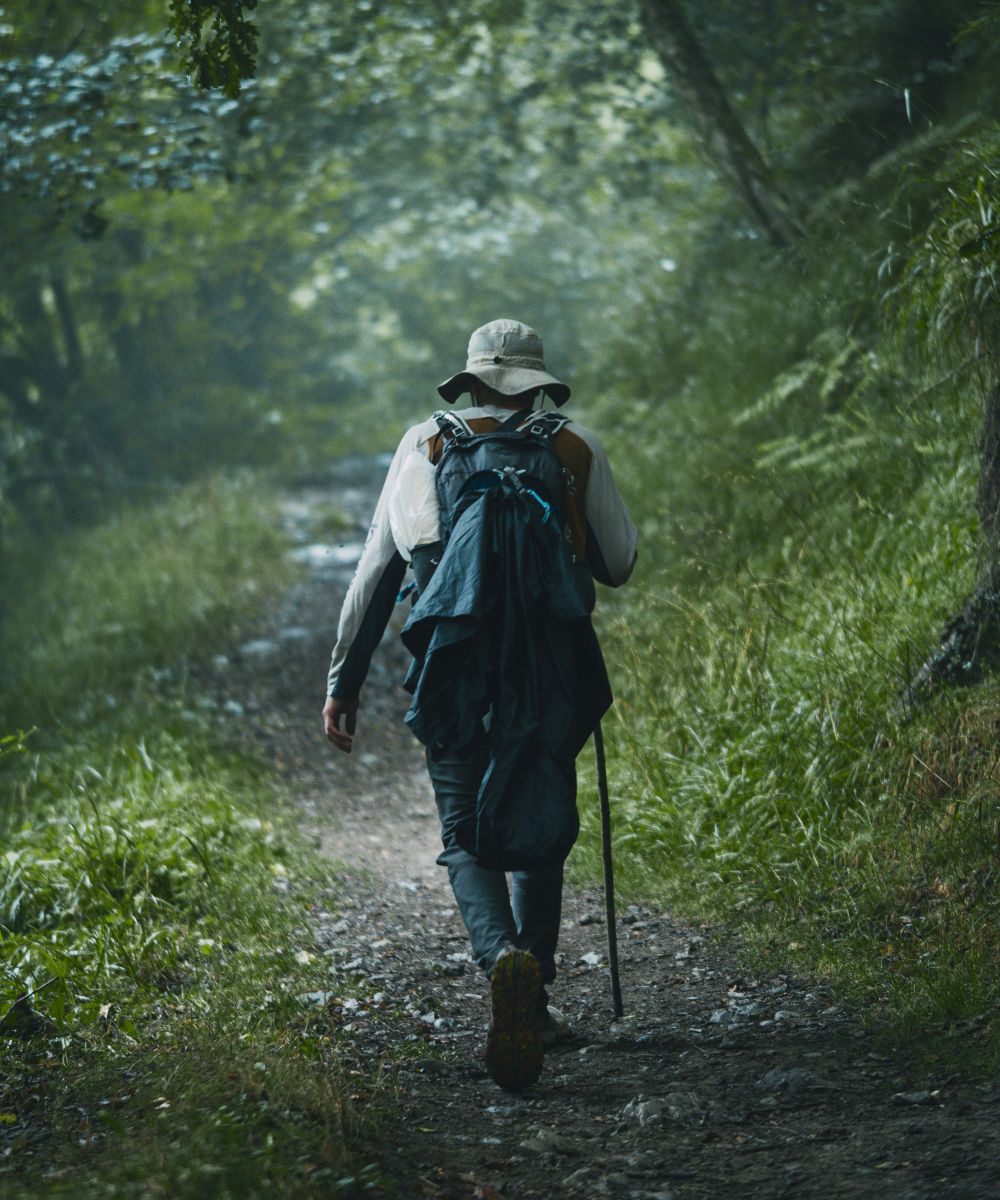
This journey is not a luxury tour or wellness retreat, and it is not designed as a passive vacation for tourists. It is a pilgrimage: a more than 100-mile challenge that serves as a rite of passage for personal growth, as well as a shared practice of walking, reflection, cultural immersion, and social renewal.
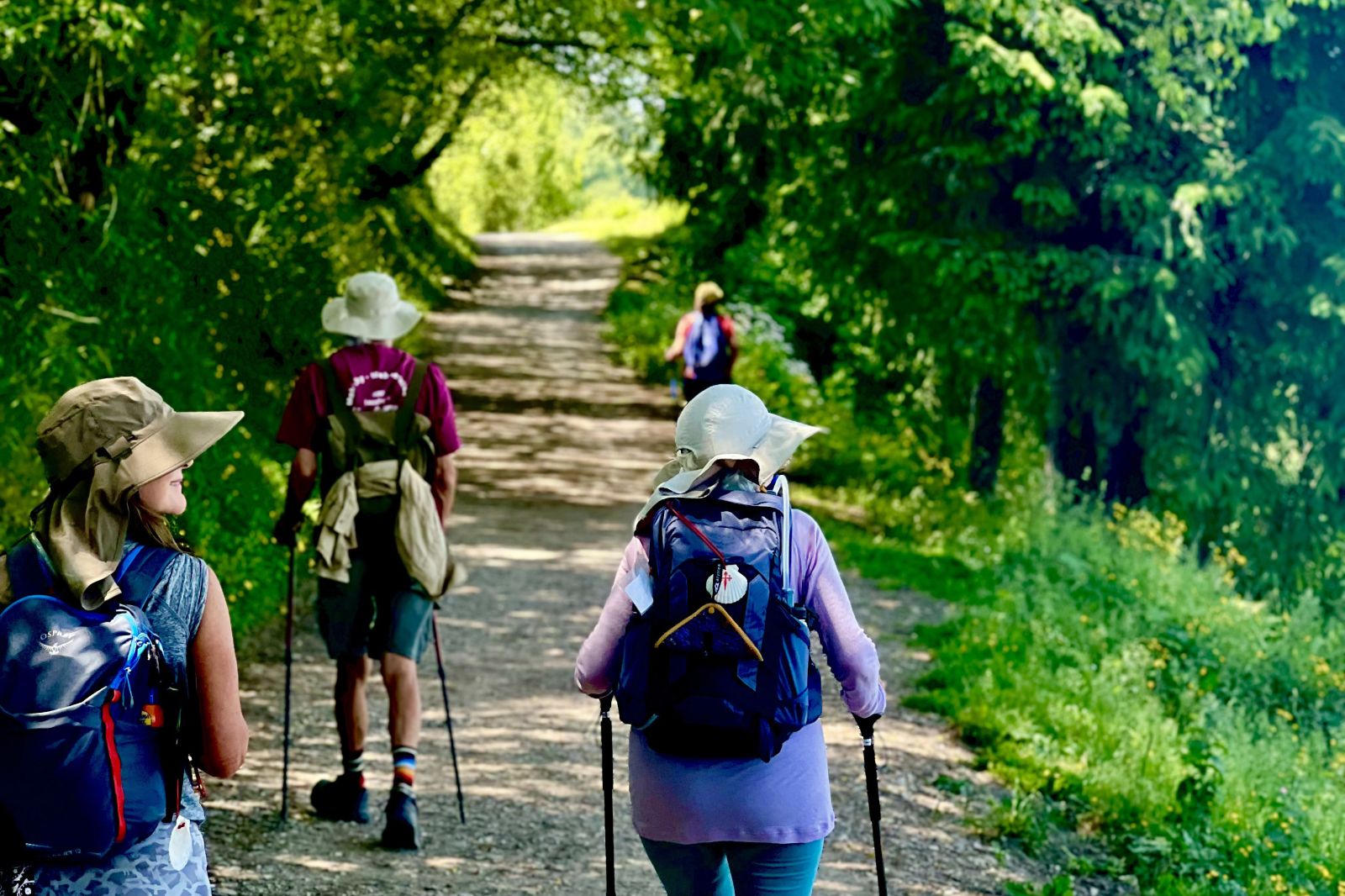
Over the course of the journey, we will walk approximately 175 km / 109 miles across 11 walking days, averaging about 16 km / 10 miles per walking day. Most walking days range from 4–6 hours on foot, depending on distance, terrain, pace, weather, breaks, meals, and group rhythm. Some days are shorter and more contemplative, while the longest stage may involve 6–7 hours of walking. Pilgrims should prepare in advance of the tour with consistent walking and basic endurance training, so the body is ready to meet the physical demands of the Camino with greater confidence.
Each day asks something of us. We will walk through medieval towns, vineyards, forests, country paths, village roads, cobblestone lanes, and occasional urban stretches. Some days are gentle and spacious; others involve longer distances, uneven terrain, asphalt, stairs, weather, fatigue, and the ordinary unpredictability of the Camino. Participants should be comfortable walking several hours on consecutive days and prepared to meet the path with patience, flexibility, and good humor.
There are many high points along the way: the rural beauty of northern Portugal, the crossing from Valença into Spain over the Miño River, the historic towns of Tui and Pontevedra, the forested paths of Galicia, the contemplative beauty of the Ruta da Pedra e da Auga, and the final arrival into Santiago de Compostela. There are also less picturesque stretches: asphalt, traffic, suburban development, industrial edges, and the gradual urban approach into larger towns and cities. This too is part of the Camino. Pilgrimage does not remove us from ordinary life; it trains us to meet ordinary life differently.
In a few key stretches along the route, we use a “walk out and drive back” approach rather than changing accommodations every night. This means we continue walking forward on the Camino during the day, then return by bus to the same hotel, with some transfers taking approximately 45–60 minutes. While this slightly alters the traditional pattern of only moving forward and sleeping in a new town each night, it allows us to reduce packing fatigue, enjoy some of the strongest heritage properties on the route, and create a calmer rhythm for rest, reflection, and group practice.
Our accommodations have been chosen with care to support the spirit of the journey. In some places, we stay in historic or heritage properties full of charm and character. In other smaller Camino towns, options are simpler and more limited. This variety is part of the pilgrimage experience. The aim is not to maximize comfort at every turn, but to create a meaningful rhythm of rest, reflection, and shared experience along the way.
We will also travel as a group. This means helping with transfers, carrying our own luggage between the bus and our hotel rooms, arriving on time, listening carefully, and moving with consideration for others. There is no white-glove service here. There is, however, the quiet satisfaction of walking together, sharing meals, simplifying our needs, and learning to support one another.
Throughout the journey, Dr. Miles Neale will guide meditation, group discussion, reflective exercises, and his walk-and-talk inquiry. No prior meditation experience is required, only a willingness to participate sincerely, listen deeply, and engage the Camino as something more than a scenic route. Small discomforts—long walks, fatigue, unfamiliar meals, changing weather, group dynamics, bus transfers, or moments of emotional vulnerability—can become part of the practice.
The pilgrim’s mindset teaches us to meet life as it is: with humility, resilience, compassion, and openness. We walk not only to arrive in Santiago, but to discover who we become along the way.
Dual Pilgrimage
The Camino de Santiago in Spain and the Kumano Kodo in Japan are the only two UNESCO-World Heritage recognized pilgrimage trail networks on the planet. Offered through Sacred Earth Journeys as a rare, paired opportunity, they invite us to cultivate what Dr. Miles Neale calls the pilgrim’s mindset: the capacity to transform challenges into the elixirs of humility, resilience, and creativity at a pivotal time of global instability and transition.
Miles, a clinical psychologist, author, and teacher of Tibetan Buddhism, leads both these journeys combining sacred walking, cultural immersion, meditation, group practice, and his signature walk-and-talk method. The Camino opens outward through community, compassion, and shared inquiry. The Kumano Kodo draws inward through forest, silence, ritual, and contemplation.
Walk one, or both, in the same year or over time. Each journey stands complete. Together, they offer a living apprenticeship in how to cultivate the pilgrim’s mindset to meet uncertainty with wisdom, difficulty with courage, and the challenges of our changing world with an open heart.
Join us on our next Walk of Contemplation: Pilgrimage Through Mystical Japan with Dr Miles Neale, Oct 11-23, 2027!

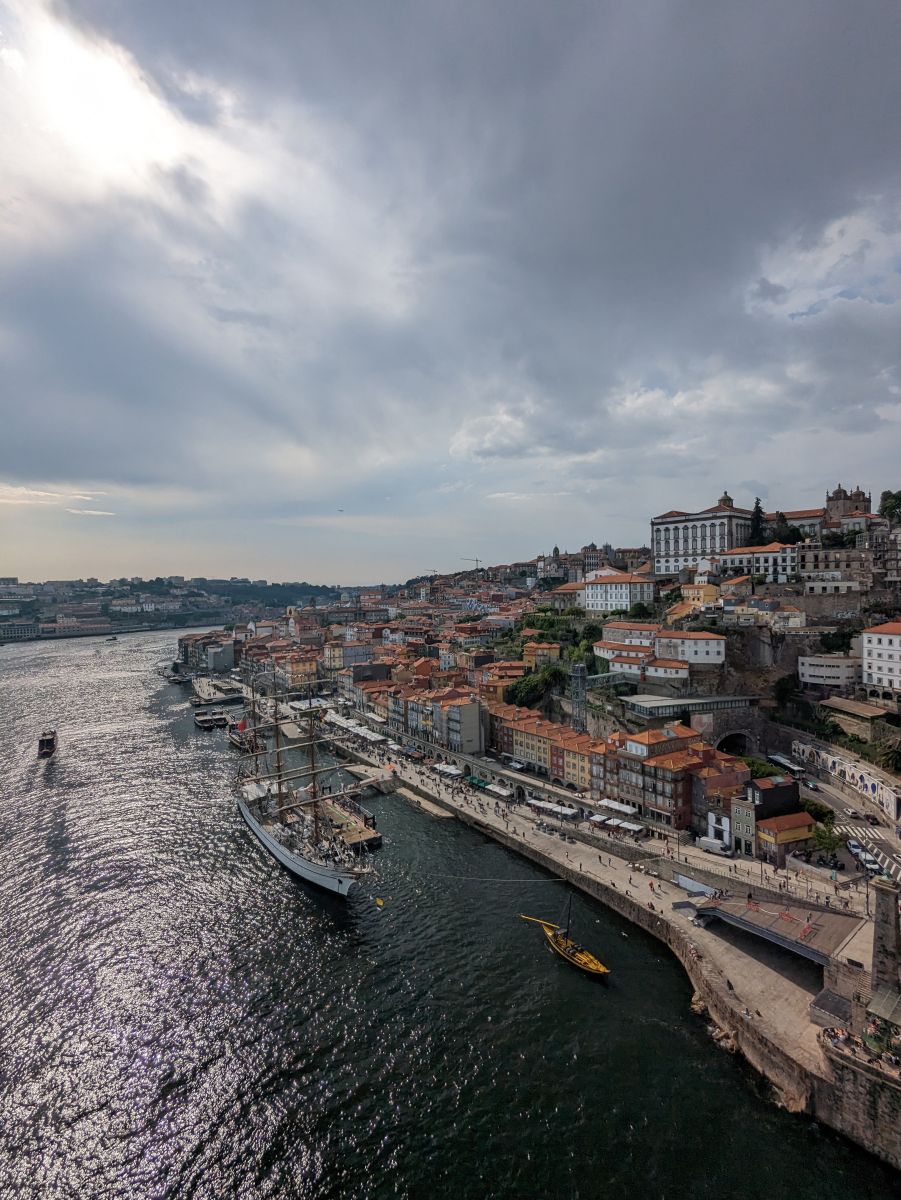
Arrive in Porto and transfer to our hotel, where we gather for the first evening of the journey. Set above the Douro River, Porto offers a fitting trailhead for the Portuguese Camino: stone streets, tiled churches, riverfront life, and the old maritime atmosphere of a city shaped by centuries of pilgrims' departures and returns.
After international travel, we arrive as strangers, carrying different hopes, questions, and private reasons for embarking on the fabled Camino. This first evening is a time to begin cohesion as a group, share individual stories of what brings us here, while Miles introduces the pilgrim’s mindset that will unite and guide us all toward Santiago. We will discuss the koan, “there is no pilgrimage”, and what it means to be a fully responsible author of your own adventure.
(Overnight in Porto at Eurostars Das Artes or similar)
We transfer to São Pedro de Rates and begin walking toward Barcelos, easing into the Portuguese Camino through rural villages, farmland, small chapels, and quiet lanes. We begin not with spectacle, but with the humility of the old road: fields, village rhythms, and the first steady miles north.
Barcelos brings us into the folk imagination of Portugal, especially through the famous rooster legend, a tale of accusation, innocence, miracle, and justice that became one of the country’s most recognizable symbols. This first walking day lets the body feel the path, the sacred way tread by countless past pilgrims each leaving an energetic charge, while the mind begins to notice its familiar habits: excitement, comparison, self-consciousness, and the first small protests from the feet. The Camino wastes no time teaching us to begin where we are, with presence and acceptance.
(Overnight in Barcelos at Hotel Bagoeira or similar)
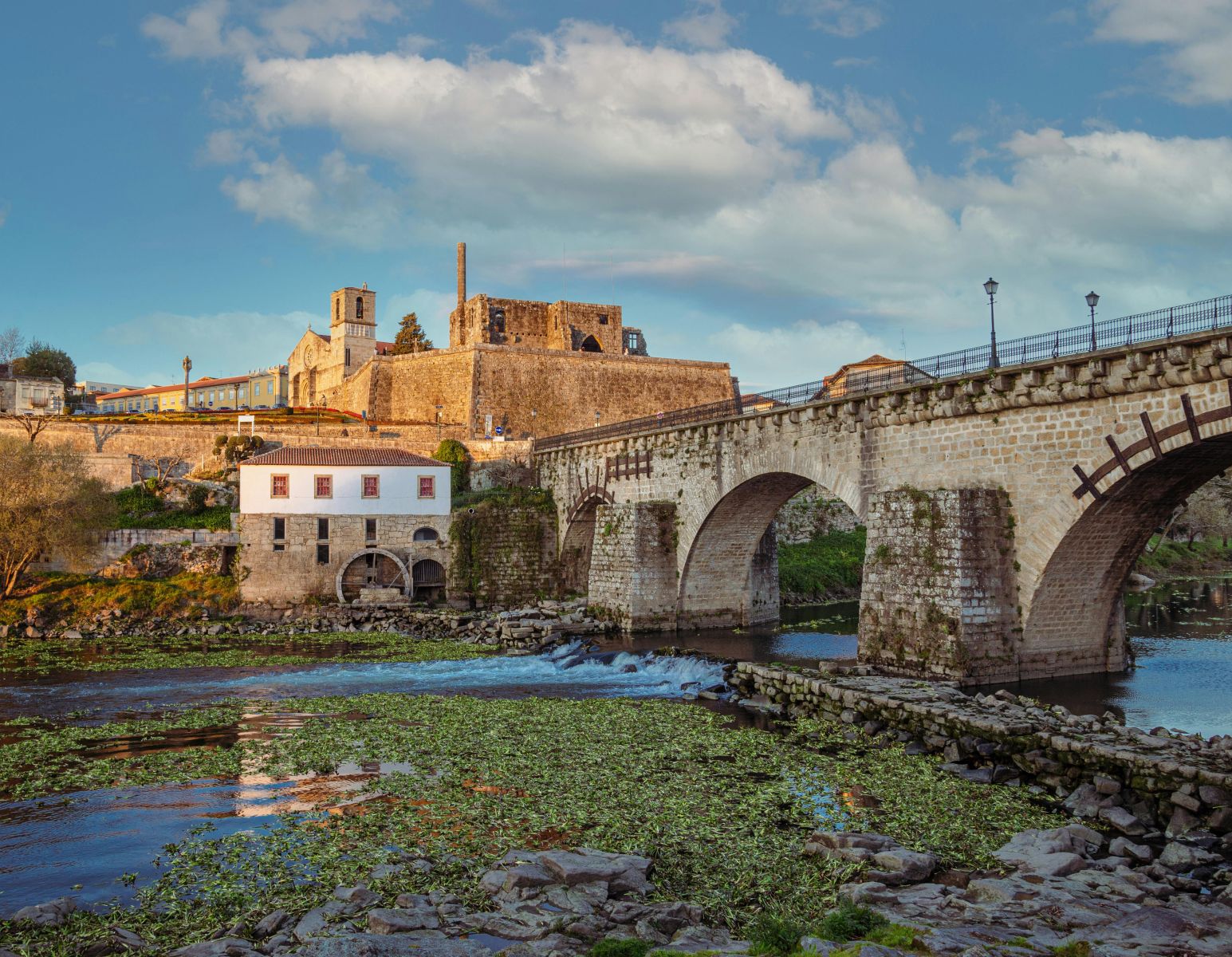
We transfer to Balugães and walk toward Ponte de Lima through the Minho landscape of vineyards, cultivated hills, old villages, and rural roads. This region carries the earthy charm of northern Portugal: Vinho Verde country, stone houses, church bells, and the feeling that the Camino still belongs to ordinary life as much as sacred aspiration. Joseph Campbell would remind us that the veils between the ordinary and special worlds are thin, and that a conscious and deliberate choice must be made to cross into the unknown landscape, welcoming uncertainty as a companion on the trail ahead.
By the second walking day, the novelty settles, and the real relationship with the path begins. The group is still forming, dynamics revealing themselves, those who walk fast or slow, but also who takes up space, and who disappears. The body, too, is either making a fuss, disconnecting, or showcasing its preparation as expected. None of these presentations in themselves is a problem; they simply reveal how we instinctually respond to effort, uncertainty, other people’s pace, and our own expectations — offering the first practical lessons of the pilgrim’s mindset: humility and tolerance.
(Overnight in Ponte de Lima at Hotel InLima or similar)
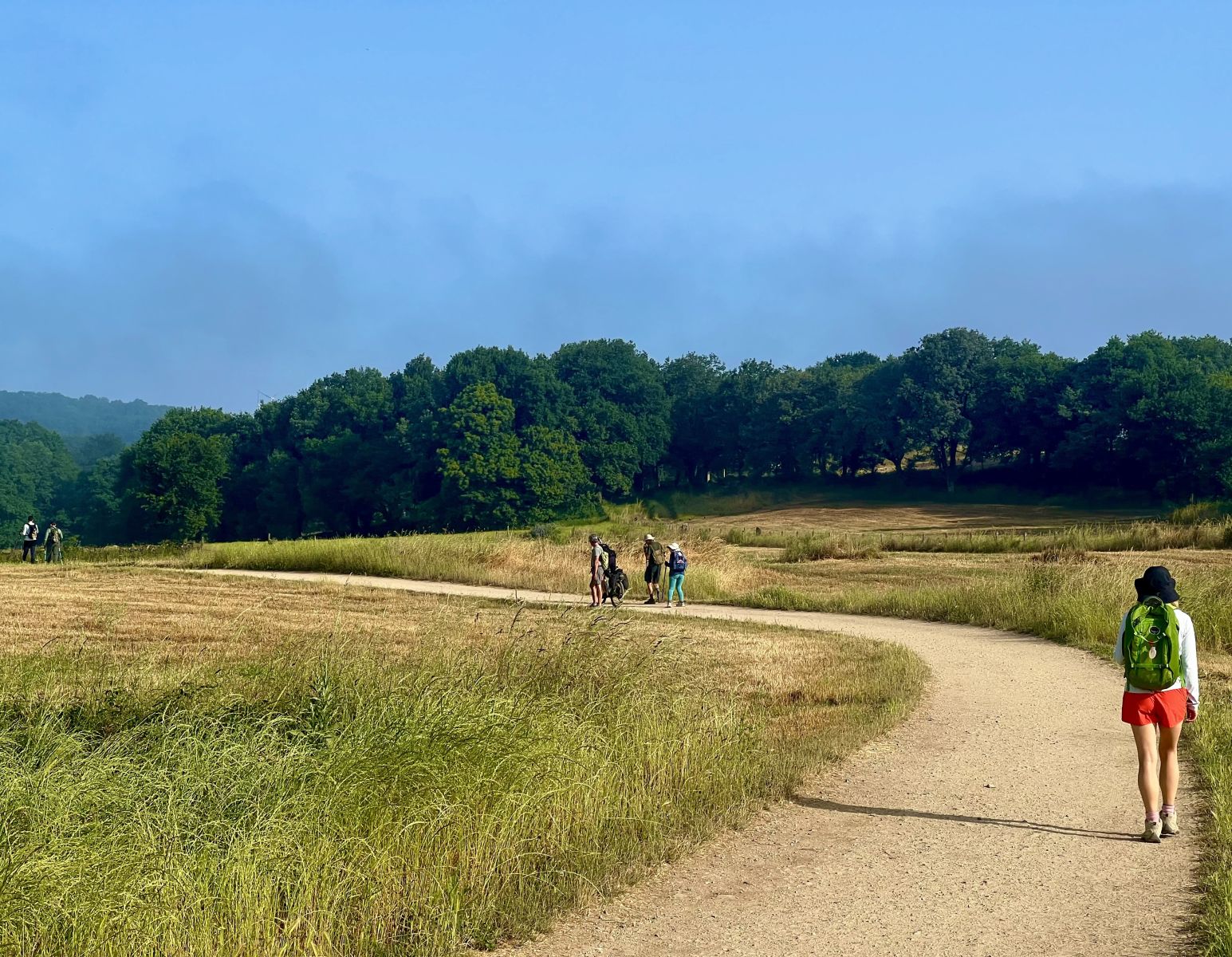
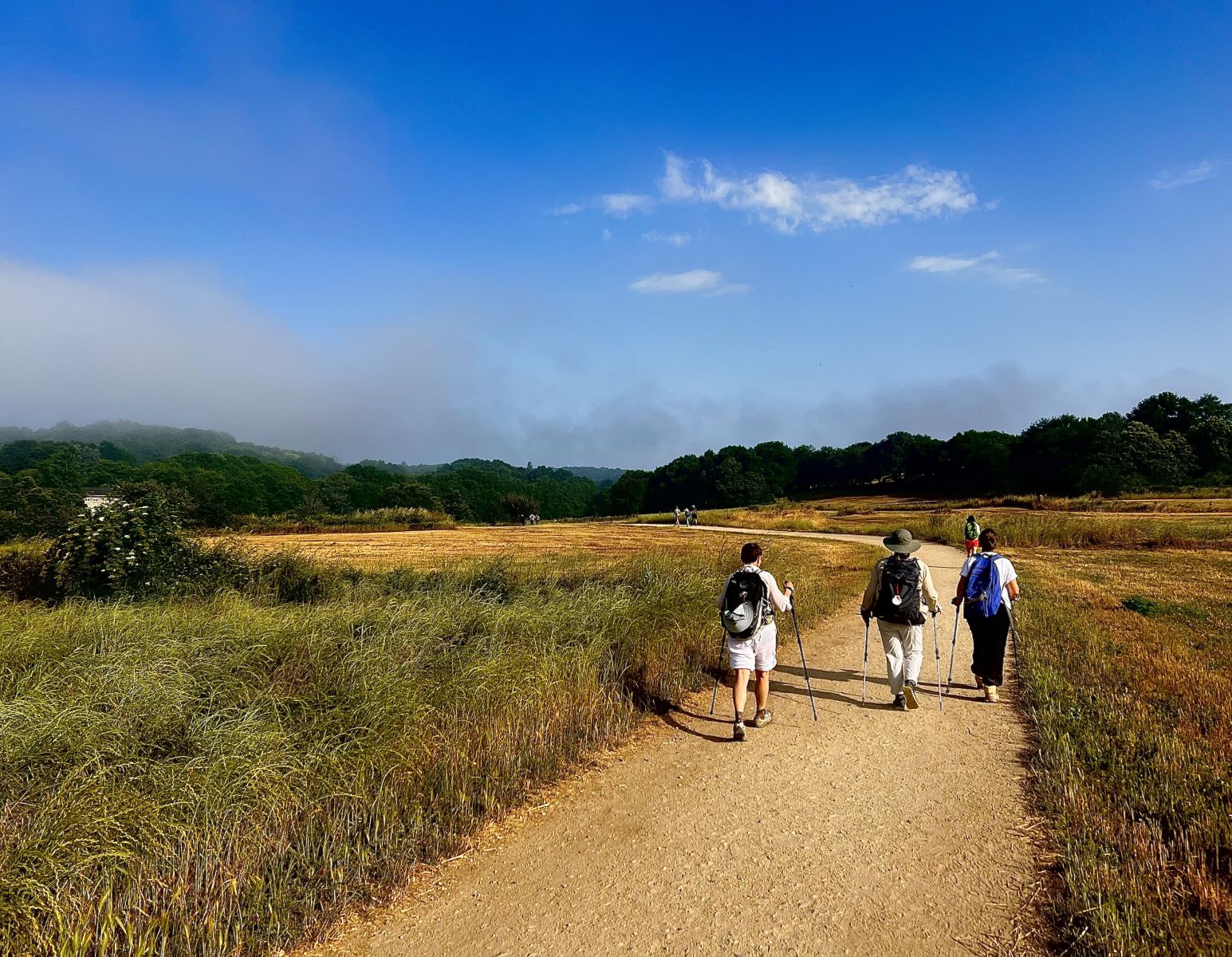
We leave Ponte de Lima and walk toward Rubiães, climbing through one of the most memorable sections of the Portuguese Way before transferring forward to Valença for the night. The ascent over the Alto da Portela Grande de Labruja is the most significant climb of the route, carrying us through forests, stone paths, mountain hamlets, and old tracks, making clear that the Camino was never designed as a leisurely walk.
This is where the path begins to test our relationship to effort, limits, and discomfort. The climb is not dramatic for the sake of drama; it's a necessary friction point that helps to destabilize defenses and hopefully reveal more subtle, less obvious inner truths. Here humility becomes practical, resilience is earned, and compassion has an object to relate to, whether it's the way we speak to ourselves, how we hold our body under stress and fatigue, or the opportunity to trade solo efforts for teamwork with fellow pilgrims as the road, and life, turns uphill.
(Overnight in Valença at Pousada de Valença or similar)
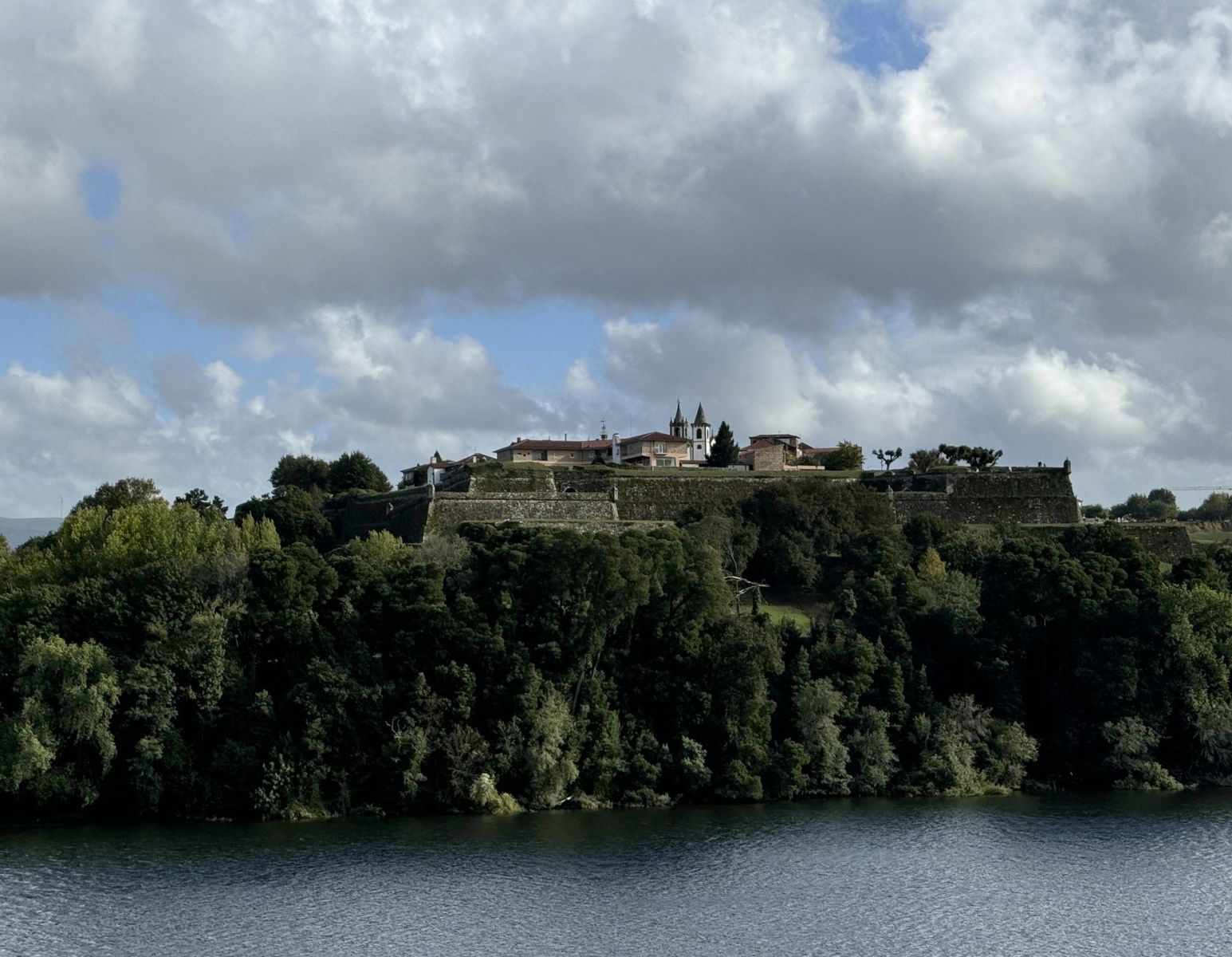
We return to Rubiães and continue forward to Valença, walking a gentler stage through villages, lanes, and countryside after the previous day’s uphill climb. The day leads us toward Valença’s fortress walls, a striking border town above the Miño River whose ramparts look across to Spain and recall centuries of trade, defense, pilgrimage, and passage between Portugal and Galicia.
After tremendous effort, something steadier, perhaps unexpected, often appears. The body may still be tired, but the road begins to feel more familiar, the group less tentative, and the journey less imagined than lived. What emerges from the psyche after a limit or obstacle is traversed? A memory, an insight, a discovery that may not fully change us, but becomes a significant puzzle piece to contemplate or a touchstone to draw upon for the remainder of the journey. As we approach the borderlands between countries, the questions may become quieter and more exacting: what is the Camino teaching us, and how are we responding to her lessons, mile after mile?
(Overnight in Valença at Pousada de Valença or similar)
Today, we cross the Miño River from Valença into Tui, leaving Portugal and entering magnificent Galicia before continuing toward Porriño. This is not the most romanticized stage of the Camino, and that is part of its honesty: border crossings, changing roads, urban edges, and practical compromises remind us that pilgrimage is not a curated fantasy, but a training in meeting life’s path just as it is.
Because accommodation is limited in Porriño, we return to Tui for the night, preserving comfort while accepting an imperfect logistical solution. This day invites adaptability, one of the core skills of the pilgrim’s mindset. When things do not unfold exactly as we hoped or are not ideal, can we stay open, flexible, and understanding? Can we meet inconvenience without turning it into disappointment or complaint? Perhaps by this juncture, the joy and good experiences we have been chasing externally have revealed their true origin, in our own minds. The hope: externalizing and finger-pointing alchemize into responsibility along the road of self-mastery.
(Overnight in Tui at Parador de Tui or similar)
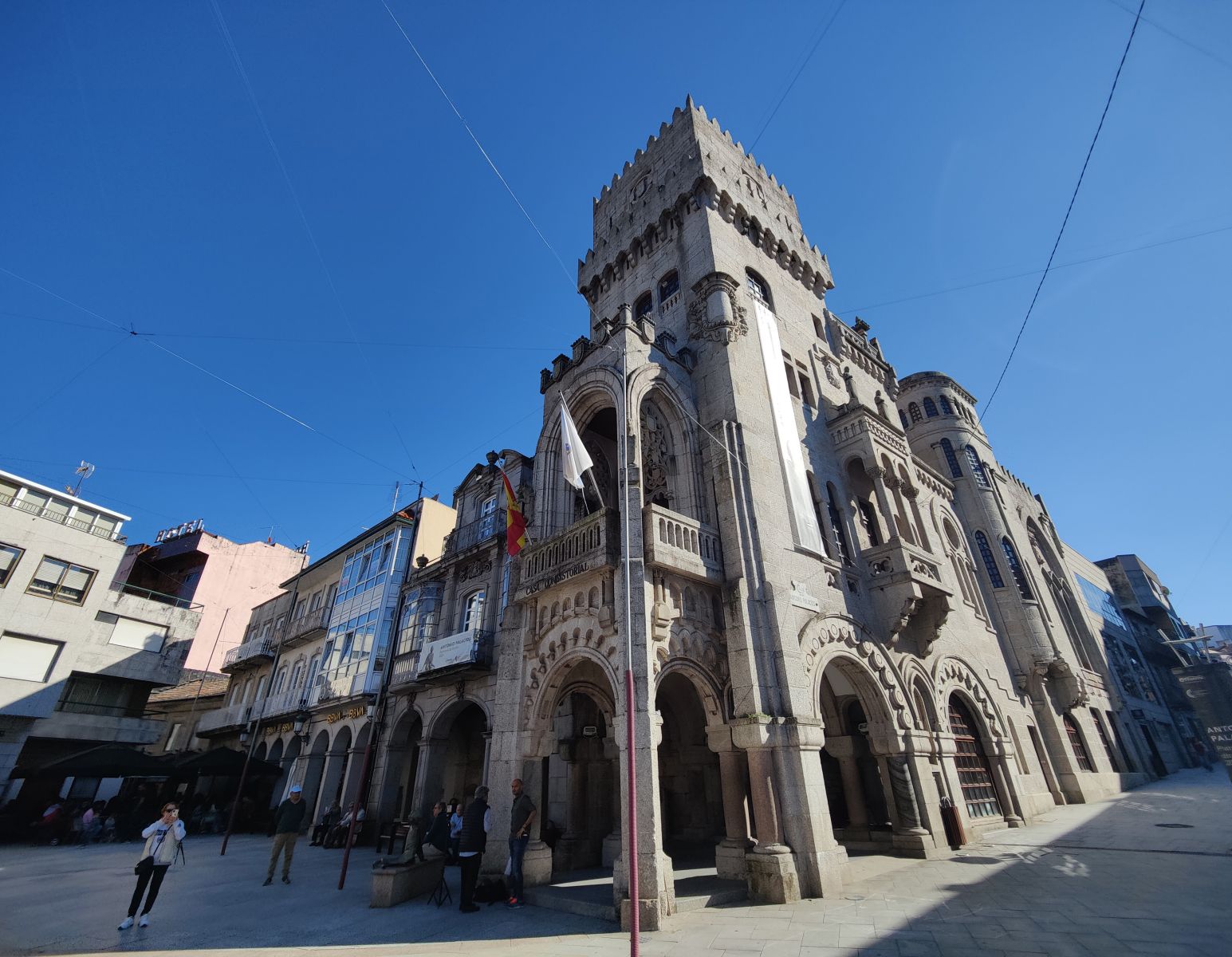
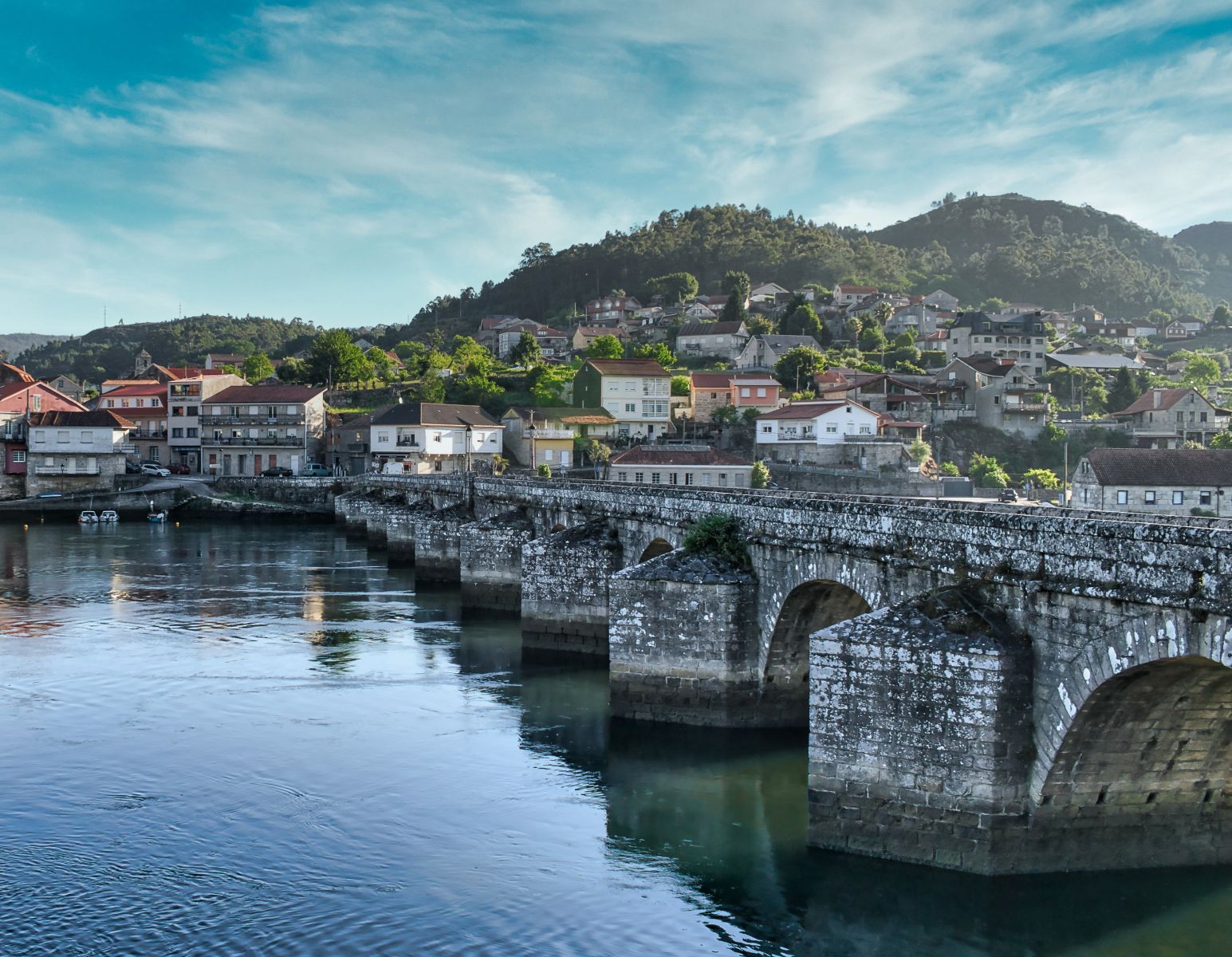
We return to Porriño and walk one of the longer stages of the journey toward Arcade, passing through a mixed Galician landscape of working roads, village life, wooded stretches, and the gradual movement toward the Vigo estuary. Arcade may be small, but it sits in a historically charged place: near the mouth of the Verdugo River, close to old river crossings, seafood waters, and the bridge of Ponte Sampaio, where Galician resistance helped stop Napoleon’s forces in 1809.
This isn’t a day of uninterrupted postcard beauty, and that is precisely why it matters. The Camino is not idealized to flatter our preferences; it trains us to meet the real path, as much as the reality of our complex lives. As the miles accumulate, we can study the mind under pressure: its complaints, judgments, humor, generosity, rigidity, and sudden tenderness. Compassion here is not theoretical. It is how we walk when tired, how we speak when irritated, and how we make room for another person’s pace without losing our own.
After completing the walk, we transfer back to Tui for the night.
(Overnight in Tui at Parador de Tui or similar)
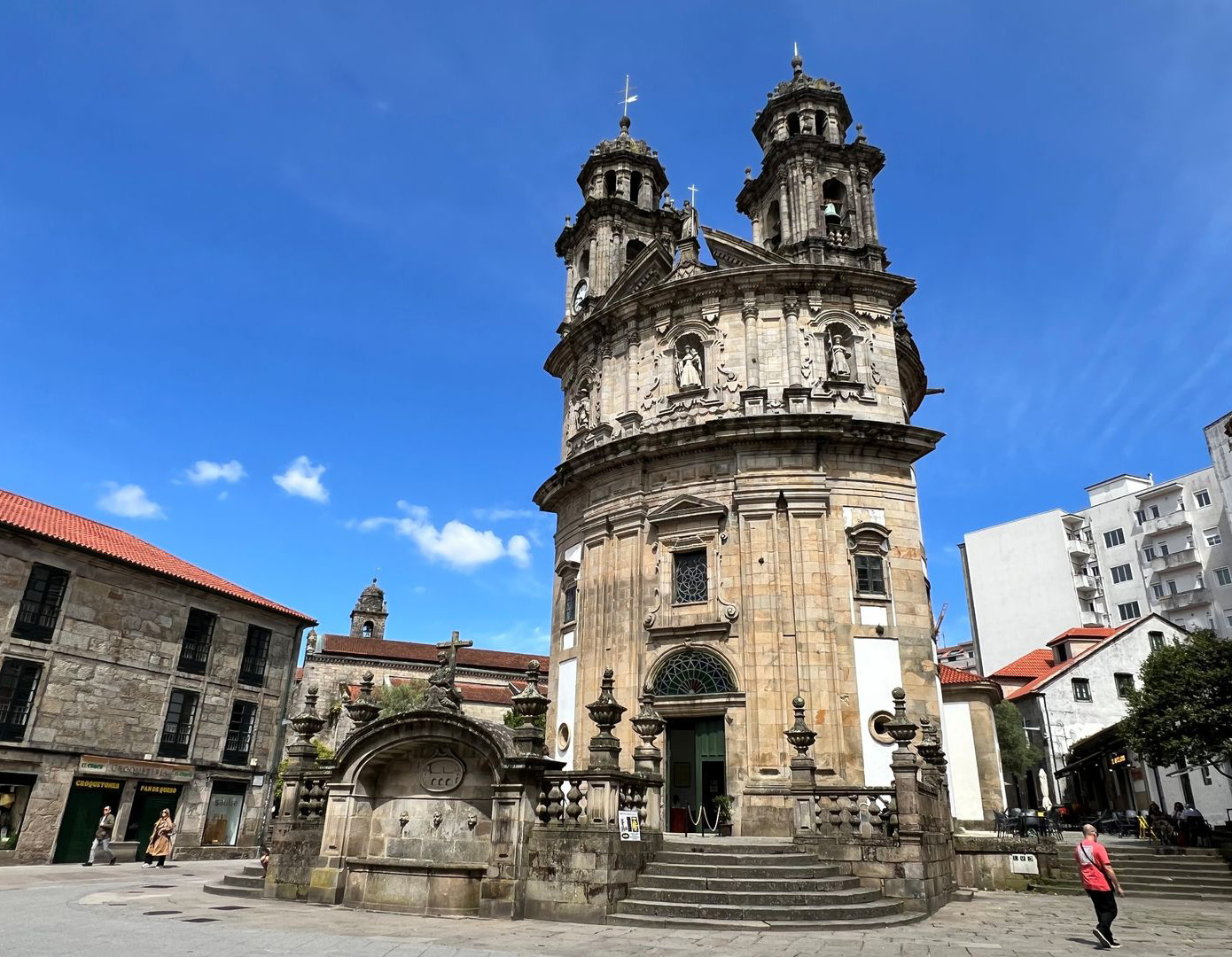
We transfer from Tui back to Arcade, where we begin today’s shorter and more graceful stage toward Pontevedra. The route passes through the historic landscape around Ponte Sampaio before entering one of Galicia’s most beautiful old towns. Pontevedra was once a thriving maritime and commercial center, and its medieval squares, arcaded streets, churches, and scallop-shaped Church of the Pilgrim Virgin still give the city a distinctly Camino character.
This is a day to let beauty and culture restore the group after exertion. By now we have walked enough together for conversation to become less forced and more authentic, with room for humor, ease, and the small revelations that come when the psyche defends against vulnerability or the body is no longer fighting the road. Pontevedra invites a different expression of the pilgrim’s mindset: not endurance, but receptivity—allowing friendship, food, architecture, history, and the life of the streets to become part of the medicine of the path.
(Overnight in Pontevedra at Parador de Pontevedra or similar)
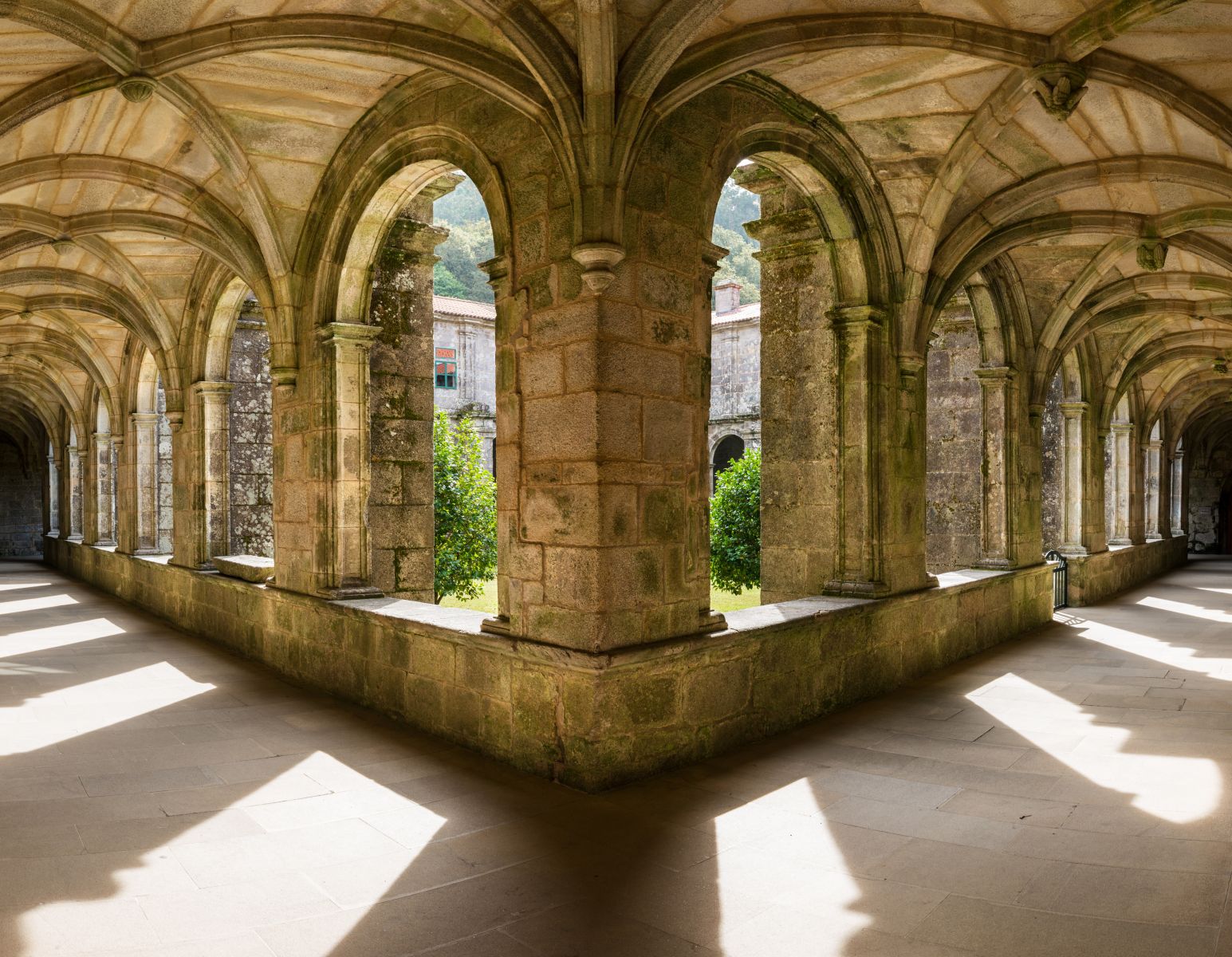
Today we transfer to Armenteira and walk the Ruta da Pedra e da Auga, the Route of Stone and Water, to Os Castaños before returning to Pontevedra. This is one of the contemplative jewels of the journey: Armenteira’s monastery, the shaded river path, old watermills, moss-covered stone, forest, and the steady sound of water moving through the landscape.
By this point, the outer road has served as a clear mirror for the inner life. Stone and water become more than scenery; they become archetypal metaphors, when to become bold and assert boundaries, and when to soften and allow flow. How do we learn to cultivate the wise discernment needed to make a conscious choice between the two? This is where compassion becomes alchemical: the wounds we carry are not denied, but neither are they enthroned as a golden idol or fixed narrative. They become material for softening, listening, and encouraging the gradual awakening of a heart to become receptive to the needs of both self and other.
(Overnight in Pontevedra at Parador de Pontevedra or similar)
We transfer to San Amaro and walk toward Caldas de Reis, returning to the traditional Camino through forest paths, country lanes, and rural Galicia. Caldas takes its name from the thermal waters that once drew people here as far back as Roman times, and after many days on foot, the town’s very name begins to sound like a promise the body gravitates towards.
This day brings restoration without sentimentality. The body is no longer an abstract spiritual vehicle; it is feet, knees, breath, digestion, sleep, and honest limits. A mature pilgrimage does not ask us to transcend the body, but to listen to, and negotiate with it, as one of the most reliable guides on the path. In truth, the embodied intuition is the only guide we will need to trust and serve, and is the ultimate destination, the Santiago de Compostela within.
(Overnight in Caldas de Reis at Hotel Roquiño & Pousada Real or similar)
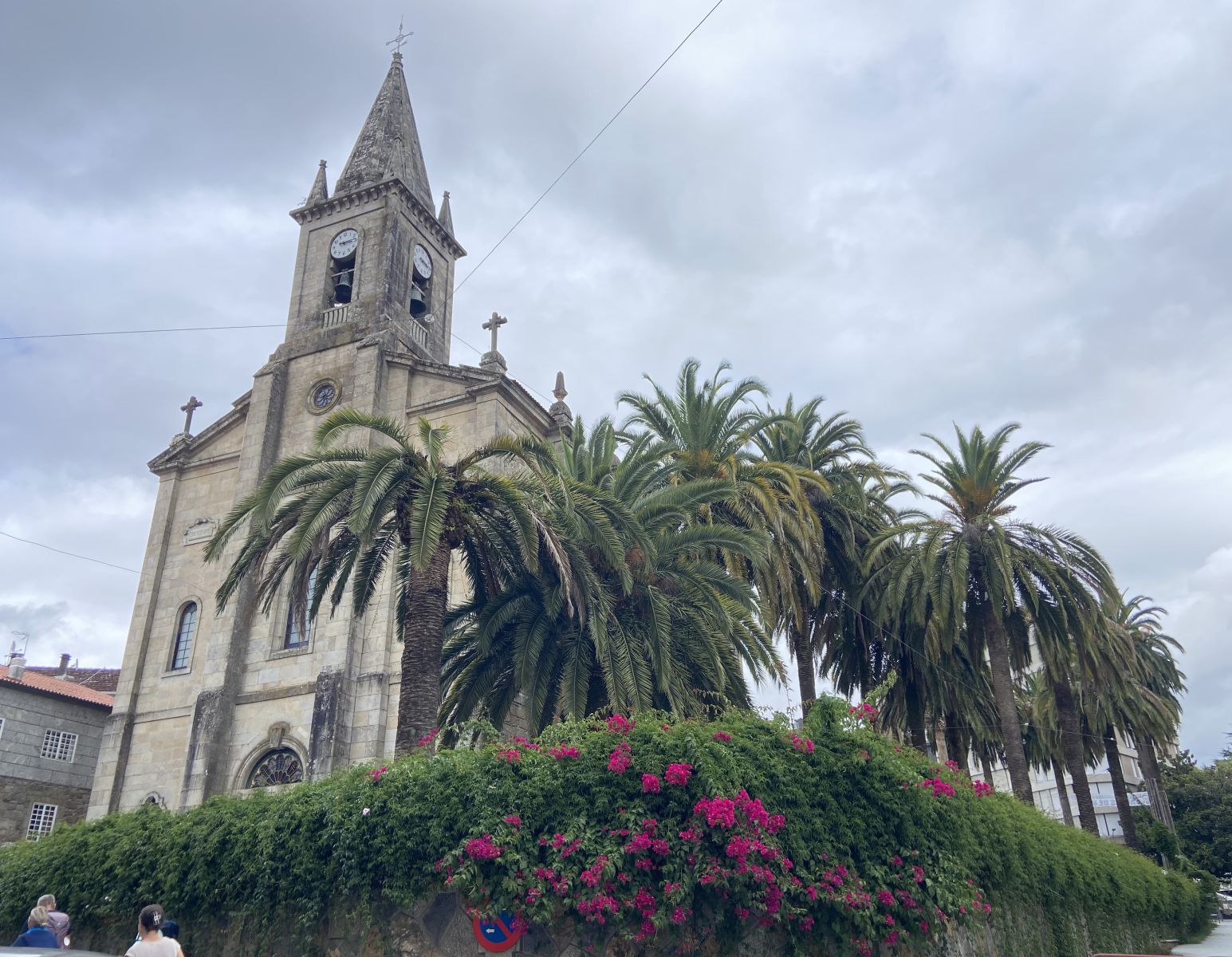
We walk from Caldas de Reis to Padrón through wooded stretches, country lanes, small villages, and the green Galician countryside as Santiago begins to draw near. Padrón is one of the most evocative towns on the Portuguese Way: linked to the legend of St. James’ arrival by boat, known for its peppers, and associated with Galician literary figures such as Rosalía de Castro and Camilo José Cela.
As the destination comes closer, the mind can become restless or reactive in a new, unexpected way. Some want to rush ahead, some become sentimental, some begin to detach before the journey is complete. The practice here is to stay present near the end, to keep walking the actual road beneath us rather than getting lost in the fantasy of arrival, or the departure beyond. The treasure is always at hand, never out in the distance, but it must be received with grace and gratitude.
(Overnight in Padrón at Pazo de Arretén or similar)
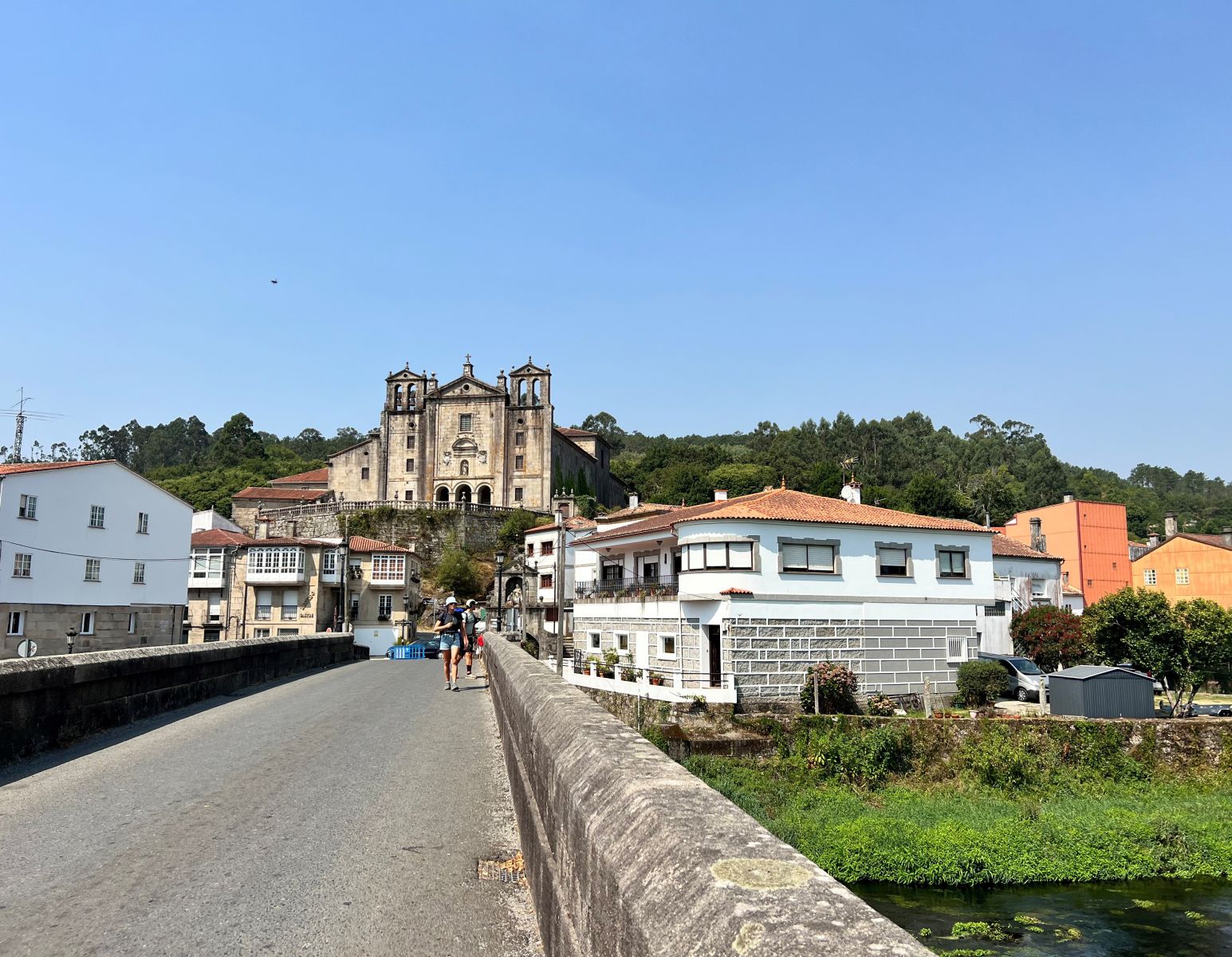
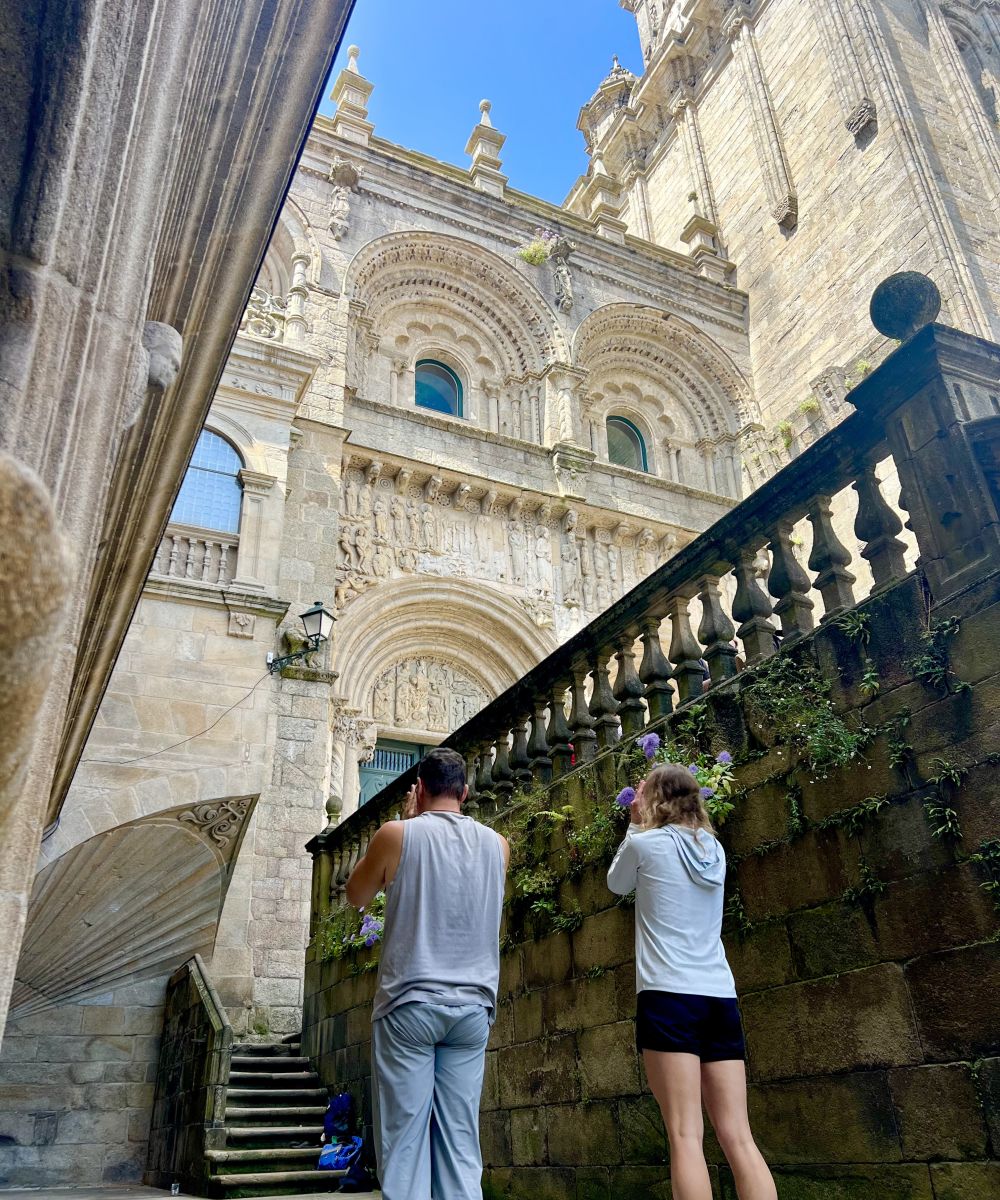
We transfer to Rúa de Francos and walk the final stage into Santiago de Compostela. The route begins through rural paths and village lanes before gradually entering the urban edges of the city, navigating narrow medieval corridors towards the fabled courtyard flanked by the stunning Cathedral of Santiago, the spiritual heart of the Camino and the celebrated shrine of St. James.
Arrival is rarely simple. There may be joy, relief, fatigue, tears, anticlimax, gratitude, or silence. All of it belongs; every part of us is welcome in the sacred heart. The pilgrim’s certificate matters, but it is not the real treasure. The deeper arrival is the knowledge stamped into the body, validated by our devotion to the inner guru: that we can meet difficulty, discord, and uncertainty with a willingness to open to others, and discover a strength we did not know we had.
(Overnight in Santiago de Compostela at Hotel Eurostars Araguaney or similar)
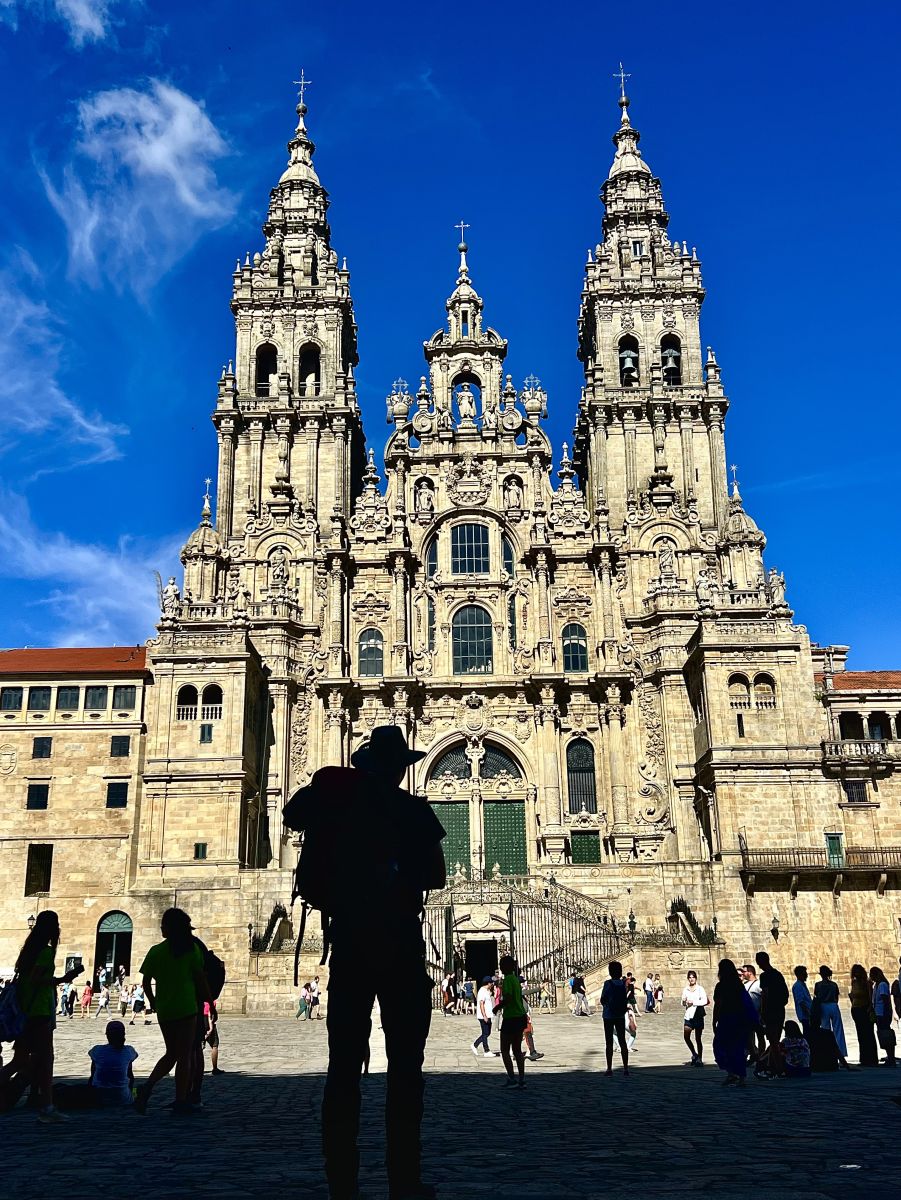
We remain in Santiago for a full day of rest, reflection, taking in the celebrated Pilgrim’s Mass, with time to explore the old city. Santiago’s cathedral squares, stone arcades, churches, winding streets, and ritual life hold the emotion of countless pilgrims who have arrived here in exhaustion, prayer, gratitude, and wonder. We are next in line in that unbroken lineage.
This day is essential because the pilgrimage needs digestion. The body has arrived, but the soul may need time to catch up. In the language of the hero’s journey, this is where the elixir must be recognized before it can be carried home. More precisely, we ask: what has the soul gifted us that the Camino helped catalyze? What has the Way taken, sacrificed, or purged? How can we pay it forward upon return?
While we will not continue to Finisterre—the so-called End of the World, where earlier pilgrims once walked to the Atlantic, burned their old clothing, and took up scallop shells to mark the rite of passage—we will create our own space to contemplate and discuss the journey of sacrifice and renewal. And most importantly, we will ask how compassion can become medicine not only for ourselves, but for the wounded world we return to.
(Overnight in Santiago de Compostela at Hotel Eurostars Araguaney or similar)
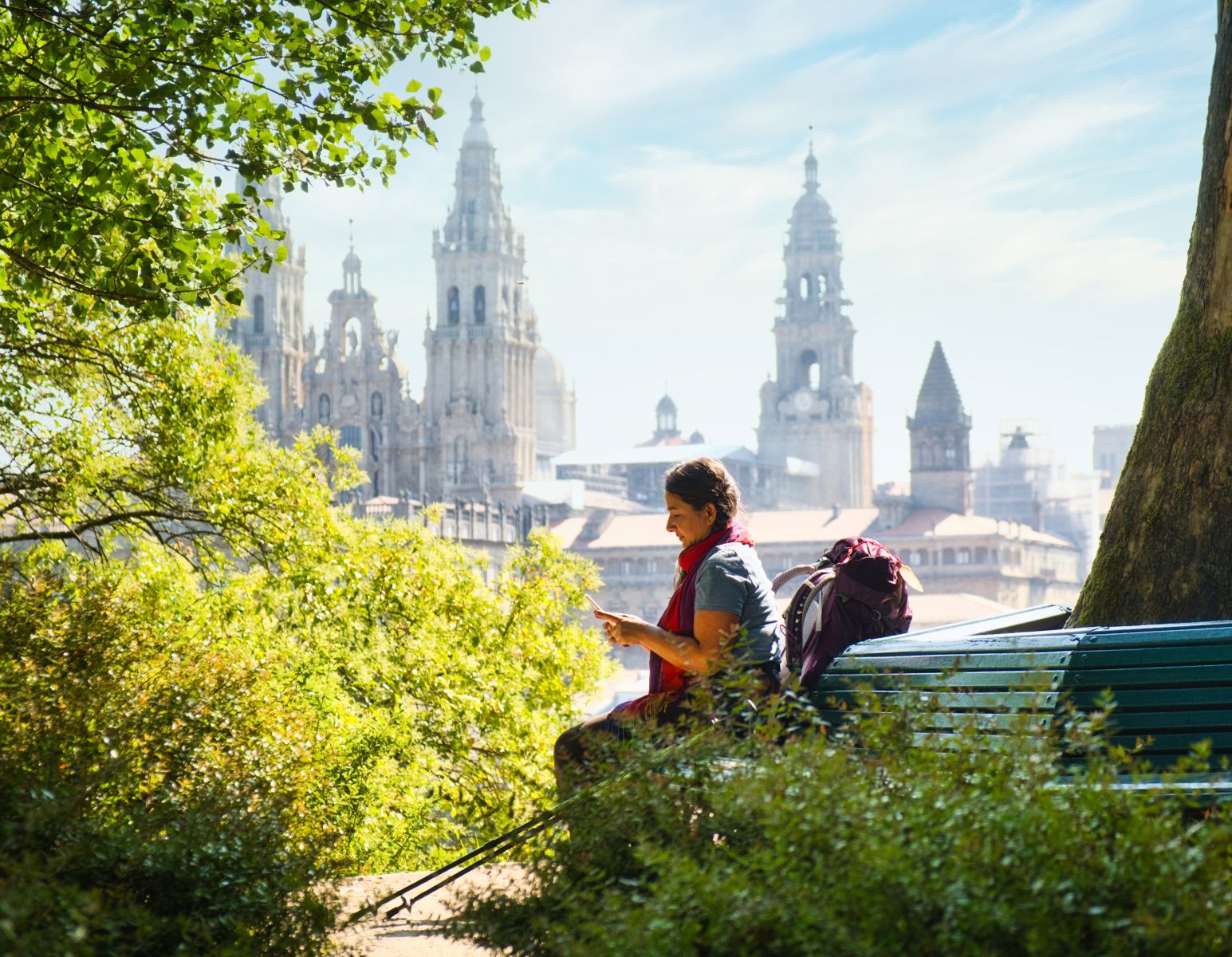
Depart Santiago de Compostela after breakfast. The formal route ends here, but the Camino’s teaching continues beyond the city, carried home in the body, memory, relationships, and the small choices that make up an ordinary day.
We return not merely with stories, photographs, or a certificate, but with the pilgrim’s mindset: humility, resilience, adaptability, compassion, and greater skill for the road ahead. The real test of pilgrimage begins after the walking ends, when we bring the medicine of the path back into the life waiting for us back home.
The Camino has taught us all about the outward expression of compassion. Will you consider joining us in the fall, this year or next, as our pilgrimage continues on an inward journey of contemplation along the Kumano Kodo, in mystical Japan?
(B = Breakfast; L = Lunch; D = Dinner)
Note: This itinerary is approximate and subject to change. Adjustments may occur due to walking pace, the opening hours or closures of bars and restaurants, breakfast serving times at the hotels, or other conditions beyond our control.