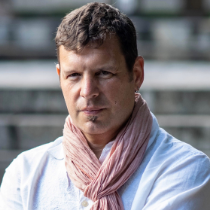
Dr. Miles Neale is a psychotherapist, teacher of Tibetan Buddhism, and author with twenty-five years of experience integrating science and spirituality.
MOREJoin Dr. Miles Neale on a sacred pilgrimage through mystical Japan. Walk the temples of Kyoto, the monastic paths of Mount Koya, and the ancient Kumano Kodo trails in a transformative journey of mindfulness and spiritual depth.
What if walking became a contemplative practice, and travel became a rite of passage for clearing the mind and reorienting the soul? This rare pilgrimage through Japan’s mystical heartlands is not a tour, but a carefully curated initiation into presence, silence, beauty, and transformation. Over twelve days, you’ll walk mindfully through three iconic regions—Kyoto, Mount Kōya, and the Kumano Kodo—encountering three living wisdom traditions: Zen Buddhism, Shingon Tantra, and Shugendō mountain shamanism. Guided by Dr. Miles Neale, a psychotherapist, author, and teacher of Tibetan Buddhism known for integrating Eastern wisdom with depth psychology, this journey invites you to unplug from distraction, enter sacred landscapes, refine perception, and recover the contemplative dimension of life. READ MORE
Dr. Miles Neale is a psychotherapist, teacher of Tibetan Buddhism, and author with twenty-five years of experience integrating science and spirituality.
MORE


Tour Description
Rather than moving quickly from landmark to landmark, this journey asks us to meet Japan through practice: slowly, deliberately, and with the whole body. Temple courtyards, raked gravel gardens, incense-filled halls, mountain paths, village inns, and forest shrines become more than beautiful settings; they become mirrors for the psyche, thresholds of transformation, and invitations into presence.
The experience is intentionally immersive and simple: mindful walking, shared meals, ritual practice, teachings in place, and time for reflection. As the journey unfolds, Japan’s sacred landscapes begin to work on us from within—quieting habitual distractions, awakening perception, and opening a deeper dialogue with nature, silence, and the soul.
Along the way, we encounter living lineages that continue to shape Japan’s spiritual landscape: Kyoto’s Zen tradition, including time with a representative of the Rinzai lineage; Mount Kōya, the Shingon tantric enclave founded by Master Kūkai; and the mist-veiled cedar forests and syncretic Shugendō shrines of the fabled pilgrimage route, the Kumano Kodo. These are not simply historic sites, but active gateways into practice, ritual, and embodied wisdom.
You’ll travel as pilgrims do, staying in traditional shukubō temple lodgings, a riverside ryokan, and countryside hot-spring hotels, immersed in the rhythms of sacred life. Each location is carefully chosen to support contemplative practice, self-reflection, and awe before Japan’s celebrated aesthetic of simplicity, refinement, and transience.

Mornings begin with seated meditation. Days unfold through walking visits to temples, shrines, forests, and sacred sites, where chanting, ritual, on-site teachings, and guided reflection reveal the liberative insights of Buddhist philosophy and embodied practice. Meals range from shōjin ryōri—seasonal vegan temple cuisine prepared with humility and restraint—to generous buffets that offer variety and choice, with a carefully considered balance of traditional Japanese dishes and creative international cuisine to suit Western dietary needs.
Throughout, meals reflect Japan’s devotion to mindful living, hospitality, and the quiet beauty of the seasons.
Midway through the journey, we begin walking the sacred Kumano Kodo trail, entering the forested heart of the Kii Peninsula and one of Japan’s most revered pilgrimage landscapes. As the sister path to Spain’s Camino de Santiago, the Kumano Kodo forms part of a rare global lineage of sacred walking; here in Japan, however, the path draws us inward through forest, ritual, contemplation, and the clearing of the mind.
Through daily walk ’n talk sessions—a reflective method developed by psychotherapist and author Dr. Miles Neale—you’ll process inner material, explore dreams, work with emotional patterns, engage intuition, and integrate insights that arise while walking through sacred landscapes. The trail becomes a container for contemplative inquiry, karmic purification, soul dialogue, and transformation.
As Miles often says, “It’s not the destination but the pilgrim’s mindset that transforms us.” These conversations, set within dramatic landscapes and ancient temples, draw upon his nearly three decades of experience integrating Tibetan Buddhism, depth psychology, pilgrimage, and contemplative practice. They return us to what is deeply human: walking slowly, inhabiting the body, communing with nature, listening inwardly, sharing honestly, and answering the soul’s call to adventure into the great mystery.
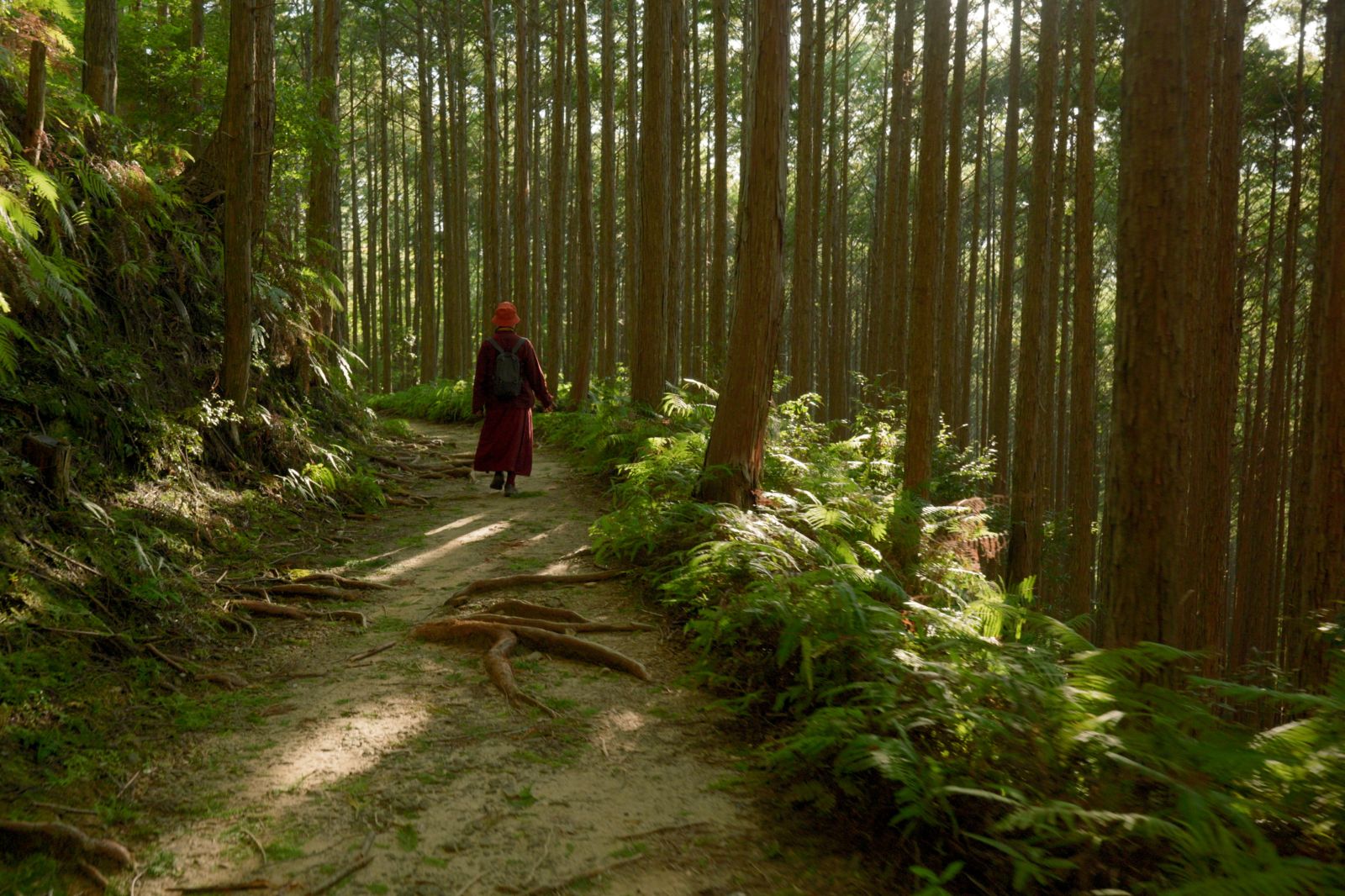
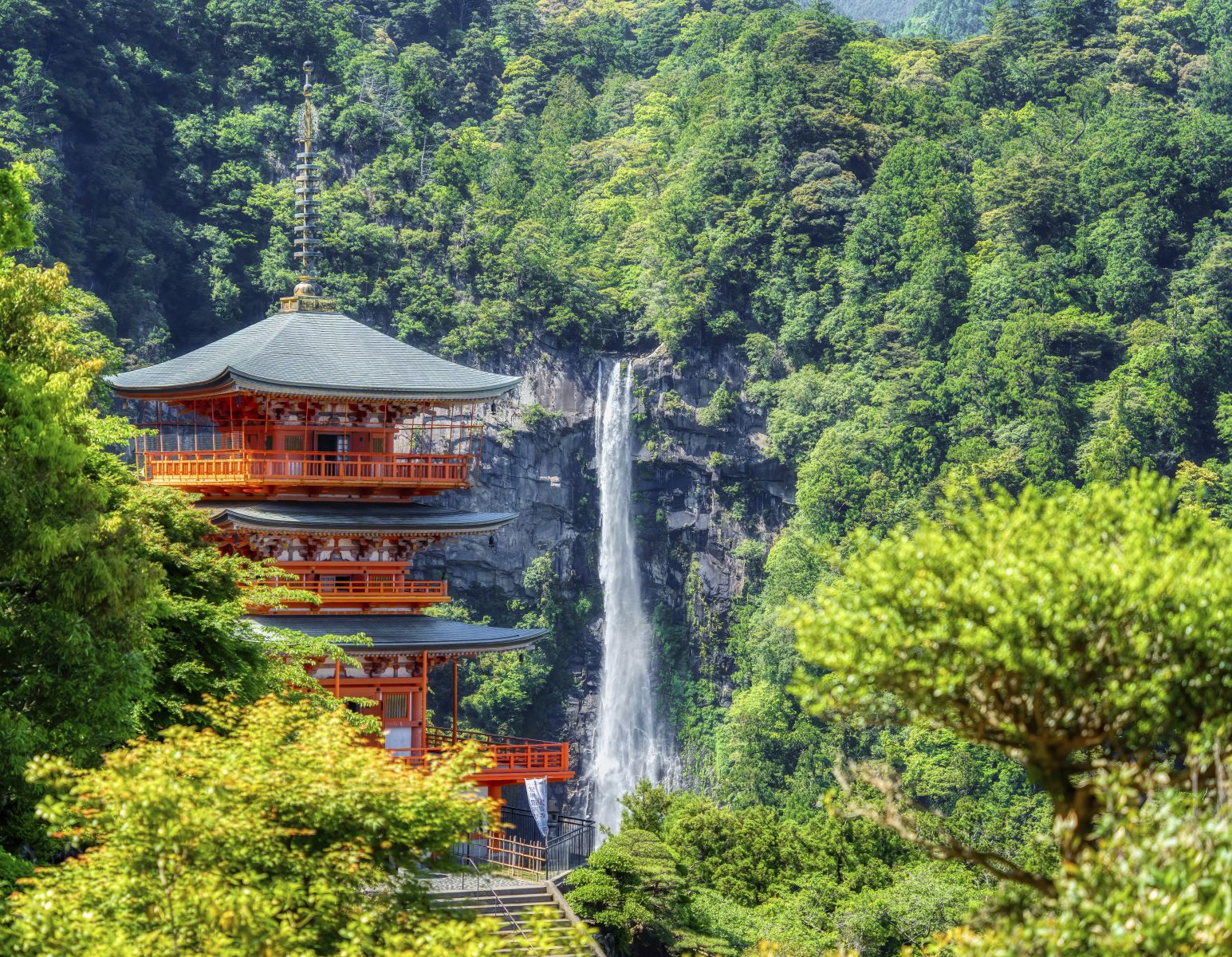
On the Kumano, we’ll venture into enchanted forests, walk ancient stone-paved trails, pray at sacred shrines, and participate in elemental purification rituals. Following the spirit of Shugendō mountain practice, we’ll learn to encounter nature not as scenery, but as sacred presence. Our journey in this region includes Kumano Hongū Taisha and culminates at Nachi Taisha and the iconic Nachi Falls, a thundering cascade revered as the descent of spirit into the world. Those seeking Dual Pilgrim certification can complete the Three Grand Shrines of Kumano with an optional visit to Kumano Hayatama Taisha.
There, we’ll pause to reflect, release, and ritually prepare to return to our lives with renewed clarity and purpose.
This pilgrimage to Japan integrates movement and stillness, ancient tradition and modern psychology, solitude and community, temples and forests. It is not an escape from the world, but a crucible of self-transformation for those ready to re-enchant it.

Important Considerations: Fitness, Accommodations, Transfers, Meals, and Pilgrimage Readiness
This pilgrimage combines urban walking in Japan’s great cultural centers with several days of forest trekking along the sacred Kumano Kodo trails. In Kyoto and Kōya-san, we will walk up to about 2 hours a day on temple grounds and village streets at an easy pace. On the Kumano Kodo, the terrain varies from gentle paths to more demanding ascents and descents through cedar forests, stone stairways, and exposed tree roots.
Distances range from 2–8 km (1–5 miles) per day, with elevation gains and losses between 100–370 m (330–1,200 ft). Walking times average 1–3 hours depending on the stage, plus breaks, ritual, meditation, and meals. The most demanding days are the Shugendō forest immersion, about 8 km over approximately 3 hours on rugged mountain terrain, and the final walk to Nachi, about 6 km with a 370 m climb (both difficulty rating 3/5), while other days are shorter, gentler village, temple, or shrine approaches (ratings 1–2/5).
Overall, participants should be prepared for moderate physical activity, with one or two demanding hikes balanced by many easier walks. A reasonable level of fitness means being comfortable walking several hours on consecutive days, managing uneven terrain and stair climbs, and enjoying the rhythm of steady pilgrimage travel. Hiking poles, supportive shoes, rain gear, light daypacks, and physical preparation are recommended.
Is this pilgrimage right for you?
This is an active walking pilgrimage, not a coach tour. Its depth depends on every pilgrim arriving prepared, because one person who cannot keep up affects the safety, pace, and experience of the whole group, and draws the guides’ attention away from everyone else. By registering, you confirm that you meet the requirements below.
What you must be able to do, unassisted: walk several hours at a steady group pace on consecutive days; climb and descend long, uneven stone staircases; carry a daypack with water, rain gear, and lunch; get down to and up from the floor, as you will sleep on futons, sit on tatami for meals, and meditate on cushions (chairs are rarely available); and stand beneath a cold waterfall during the misogi ritual, if you choose to take part.
A simple self-test: before booking, you should be able to walk 8 km (5 miles) on hilly terrain, including a climb of about 300 m (1,000 ft), with a light daypack and comfortably do it again the next day. If you can’t do this today, please train consistently in the months before departure, or consider a later journey.
Participants must be in good physical and mental health. Please disclose any medical condition, recent surgery or injury, mobility limitation, or medication that affects stamina or balance at registration. Sacred Earth Journeys may request a physician’s confirmation of fitness. Some of our locations are remote, with medical facilities a long drive away.
Special assistance and personal costs: our guides look after the group as a whole and cannot provide one-to-one assistance. If a participant cannot take part in a walk, ritual, or activity because of fitness, health, or mobility, any alternative arrangements, such as a private taxi, separate transfer, additional guides or support staff (for example, during Shugendō training), extra meals, or accommodation changes, will be arranged only where possible and entirely at the participant’s own expense, payable directly. No refunds are given for missed portions of the itinerary. For the safety of the individual and the group, the tour leaders have final authority to ask a participant to skip a walk or activity, or to take alternative transport.
Comprehensive travel insurance, including medical care, emergency evacuation, and trip cancellation, is mandatory for all participants.

This is not a luxury tour, and we make no claims to five-star accommodations. That’s by design.
We’ve intentionally selected temple lodgings, a traditional ryokan, and countryside hot-spring hotels that are simple and comfortable—but more importantly, they reflect the ethos of this journey: humility, contemplation, and community.
Several of our accommodations are traditional temple guesthouses, where simplicity and communal living are part of the experience. Rooms may be separated by traditional paper screens, walls may be thin, and the atmosphere is quiet and contemplative. Futon mattresses on tatami mats, communal bathing, shared bathroom facilities in some locations, and simple traditional spaces invite us into a different rhythm—one that values spaciousness over privacy, and presence over convenience.
In Kyoto, we spend two nights at Daishin-in, a 15th-century Zen temple guesthouse within the Myōshin-ji temple complex, with single-room guests staying at nearby Machiya House. In Kōya-san, we spend two nights at Daien-in temple, followed by two nights at Midoriya, a traditional ryokan in the riverside hot-spring village of Kawayu Onsen. These stays are not merely accommodations; they are part of the pilgrimage itself. Because our group is larger than most family-run inns can host, our remaining nights are in comfortable countryside hotels, most with onsen hot-spring baths.
You must carry your own luggage up and down stairs, along stone paths, and into your room at every lodging. Temple guesthouses and traditional inns have no porters and few elevators, and wheels often don’t roll on gravel or stone. Luggage is transferred between some inns, but handling it at each lodging is your responsibility. Please bring one medium suitcase or travel pack you can lift on your own, plus a daypack.
Several lunches and afternoons are on your own. You must be able to navigate independently: find and order your own lunch, pay, and get around using a smartphone with mobile data (eSIM recommended), Google Maps, a translation app, and taxi apps such as GO or Uber in Kyoto and Osaka. Our guides do not escort guests during free time. In rural Kumano and on Mount Kōya, food options are limited and many places take cash only, so please carry Japanese yen.
The group moves on a fixed schedule set by temples, masters, and transport. Please be on time; the group cannot wait.
Meals are also part of the pilgrimage experience. We are fortunate to encounter a variety of carefully prepared cuisine, including shōjin ryōri—simple vegan temple food rooted in the Zen monastic tradition—as well as generous buffets offering variety and choice. Our team has thoughtfully balanced traditional Japanese dishes with creative international cuisine to suit Western dietary needs. Participants are encouraged to approach meals with openness, gratitude, and curiosity.
In traditional Japanese settings, it is respectful to try what is offered, avoid unnecessary waste, and refrain from requesting changes. Dietary requirements must be medically necessary and declared at registration; we will do our best to accommodate them but cannot guarantee it, especially in remote areas. As we move farther from major cities, Western options and independent meal choices become more limited, so flexibility around food is an important part of the journey.
Communal bathing may also be part of the experience. In Japan, onsen and shared baths are traditional practices associated with purification, relaxation, and respect for the body. Bathing is done nude and is understood as nonsexual, quiet, and contemplative. Guests are expected to wash thoroughly before entering the bath, keep towels and soap out of the soaking pools, and maintain a peaceful atmosphere.
If you have visible tattoos, please be discreet, as some traditional bathing facilities may ask that tattoos be covered or may have specific policies.
This pilgrimage also includes meditation, group discussion, reflective exercises, and guided walk ’n talk inquiry. No prior meditation experience is required, but participants should come prepared to engage inwardly and relationally—with sincerity, discretion, and respect for the group container. Small discomforts—unfamiliar food, shared spaces, long walks, communal bathing, or cultural differences—can become part of the practice, helping us meet ourselves with patience, humility, and good humor. We also ask that you practice discretion with your devices and arrive on time for group sessions.
There will be no white-glove service here. But there will be quiet mornings, shared meals, temple bells, forest paths, and the subtle satisfaction of living simply and mindfully—just as countless pilgrims before us have done. This too is part of the practice.
Recommended gear: broken-in hiking shoes with good grip, hiking poles, rain jacket and pack cover, a light daypack, a refillable water bottle, and slip-on shoes, since shoes come off often at temples and inns.
Entry requirements: please check visa requirements for your passport well before travel. Before arrival, register on Visit Japan Web (vjw-lp.digital.go.jp) for your immigration and customs QR codes. Japan is planning an electronic travel authorization (JESTA) for visa-exempt travelers, not expected before 2028; we will confirm closer to departure.

You can find detailed information about the hiking requirements for each day in the day-by-day itinerary, and enjoy more stunning photos from a past pilgrimage to Japan with Miles on our Flickr page.
Dual Pilgrimage
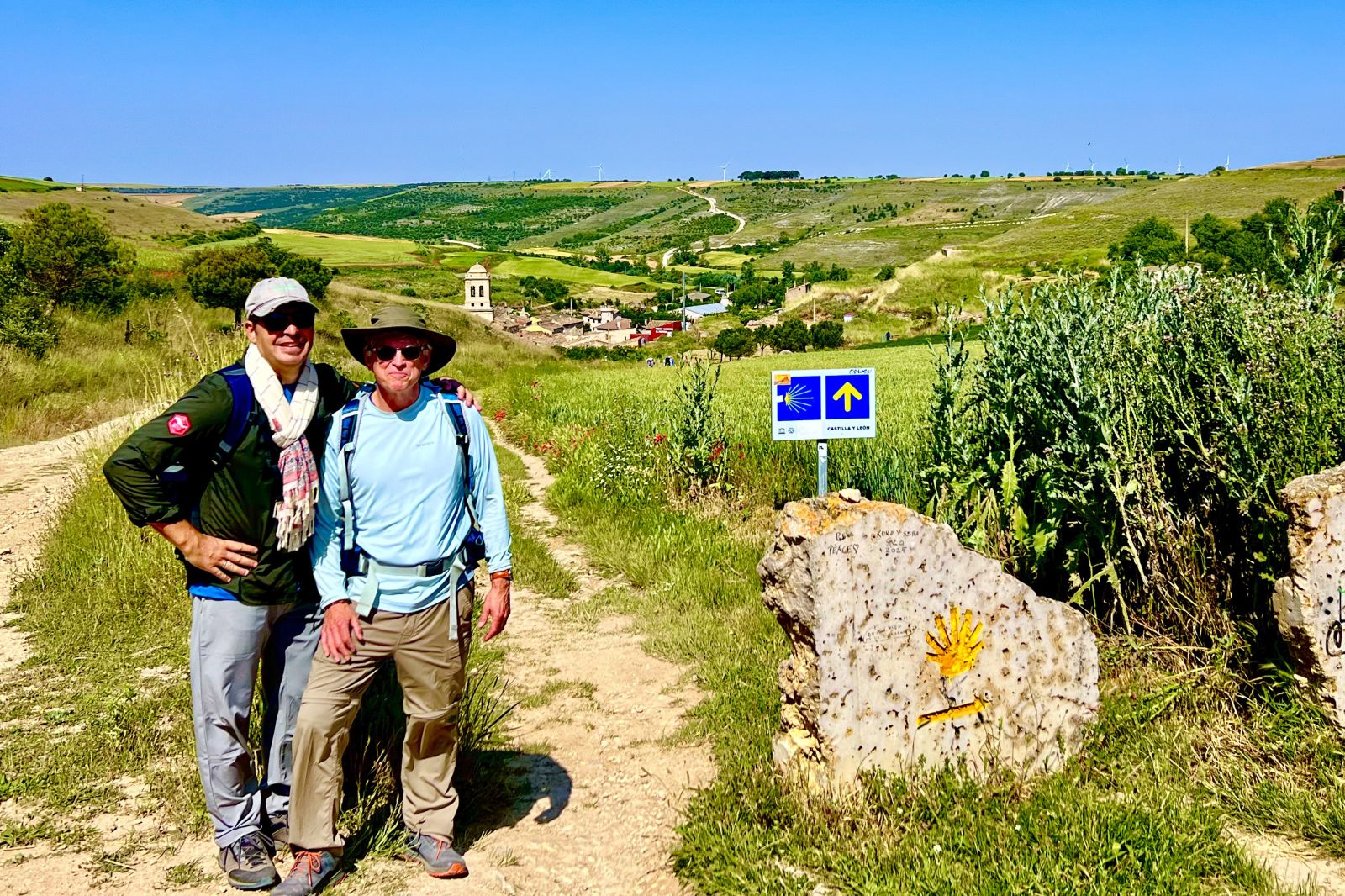
The Kumano Kodo in Japan and the Camino de Santiago in Spain are the only two UNESCO-World Heritage recognized pilgrimage trail networks on the planet. Offered through Sacred Earth Journeys as a rare, paired opportunity, they invite us to cultivate what Dr. Miles Neale calls the pilgrim’s mindset: the capacity to transform challenges into the elixirs of humility, resilience, and creativity at a pivotal time of global instability and transition.
Walk one, or both, in the same year or over time. Each journey stands complete. Together, they offer a living apprenticeship in how to cultivate the pilgrim’s mindset to meet uncertainty with wisdom, difficulty with courage, and the challenges of our changing world with an open heart.
Those who complete both the Kumano Kodo and Spain’s Camino de Santiago will qualify for Dual Pilgrim recognition, honoring the connection between these two ancient routes of transformation. Pilgrims who complete one sacred path may carry that recognition forward, should they choose to complete the sister route in the future.
Join us on our next Camino Pilgrimage, Walk of Compassion: Camino de Santiago Pilgrimage with Dr. Miles Neale, May 15 - 28, 2027, during the Compostela Holy Year!
Arrive in Osaka, where our local representative will greet you and assist with a short 5–10 minute transfer to our nearby airport hotel. Take the day to rest and recover from your journey. In the evening, we gather for a welcome dinner and open the circle with introductions.
Osaka, once the economic heart of Japan, served for centuries as a vibrant maritime hub. It was a key threshold city—where monks, traders, and diplomats arrived from the Asian mainland before continuing inland toward Kyoto and the sacred mountains. It is a fitting entry point for our pilgrimage, as we too prepare to shift from the outer world into an inner journey.
(Overnight in Osaka at Stargate Hotel or similar)

We begin at a hidden gem of Japanese Zen: Manpuku-ji, head temple of the Ōbaku school, founded in 1661 by the Chinese master Ingen Ryūki, whose halls are designated National Treasures. Rarely crowded and built in the Ming Chinese style, Manpuku-ji is an overlooked treasure that welcomes us to cross the threshold between modern and ancient, from the ordinary world to a mystical realm. Its great wooden fish still calls monks to meals and prayer; a fish never closes its eyes, a symbol of constant wakefulness.
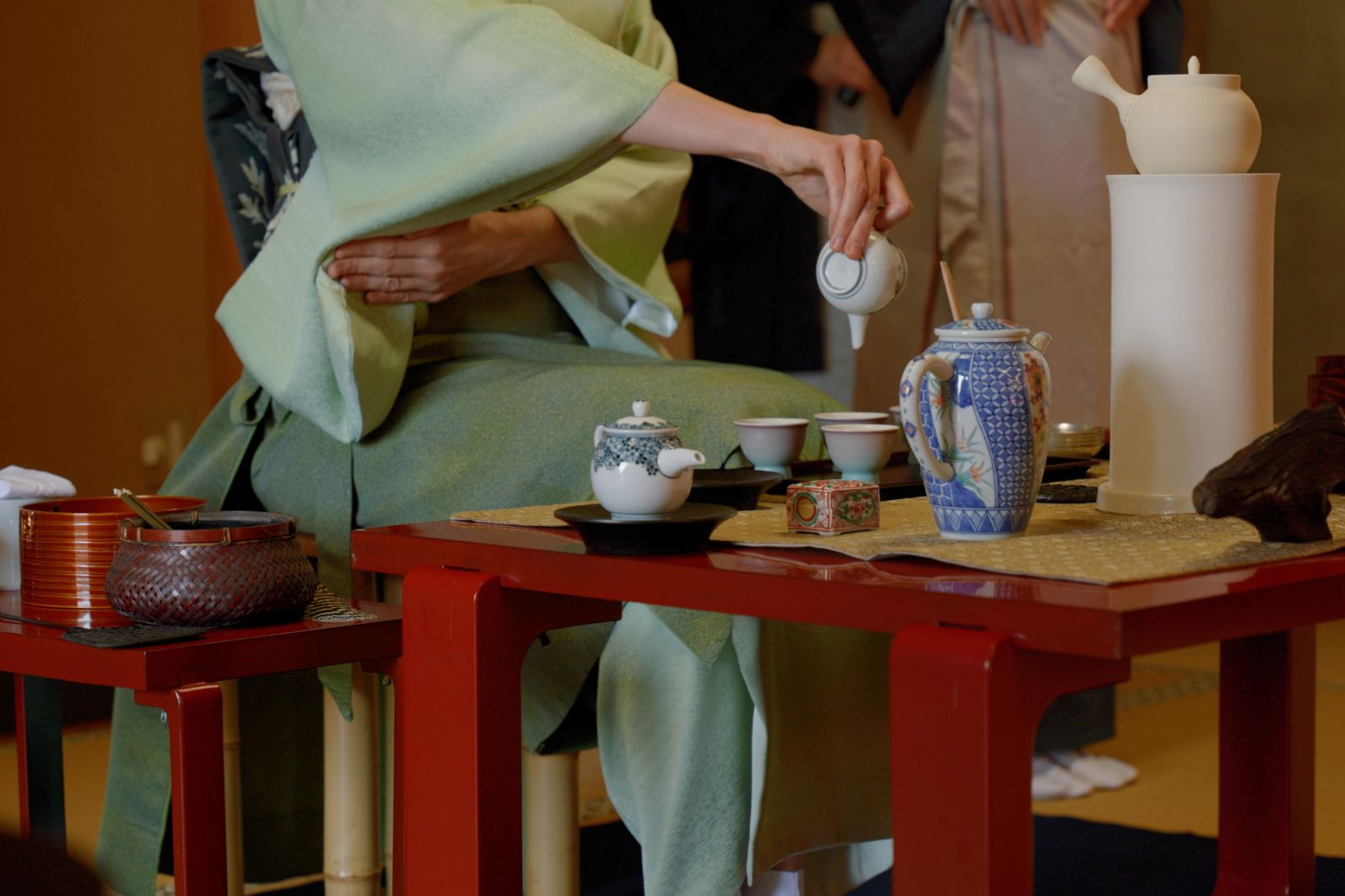
Here we experience a welcoming prayer and intention-setting in the main shrine hall, surrounded by bodhisattvas, followed by an exquisite traditional Ōbaku vegan lunch. Then, the main event of the day, a formal tea ceremony, Japan’s quintessential expression of kata: precision and meditative form. Every gesture is deliberate, every movement an offering. Afterwards, we gather in the serene temple grounds for our orientation, led by our tour leaders.
In the afternoon, we continue to our Kyoto temple inn, Daishin-in, a meticulously preserved 15th-century sub-temple within the Myōshin-ji complex, now welcoming pilgrims as a traditional Zen guesthouse. With its polished wood floors, tatami mat rooms, and tranquil rock garden, Daishin-in captures the essence of the pilgrim’s spirit. It will serve as our base for meals, group activities, and morning meditations while in Kyoto.
Guests in single rooms will stay at the nearby Machiya House, a restored traditional home with a small interior tsuboniwa garden—a quiet courtyard designed for light, air, and contemplation—alongside modern amenities. A shuttle service will be provided to and from group activities.
(Overnight in Kyoto at Daishin-in, Machiya House or similar)

We start the day with a Zen meditation masterclass. A resident Zen master offers instruction, practice, and time for questions in Daishin-in’s main shrine room, a rare chance to learn zazen from a living lineage. After breakfast overlooking the guesthouse rock garden, we take a gentle walk through the Myōshin-ji complex, with its winding cobble pathway, numerous sub-temples and gardens. It is one of Kyoto’s largest and least crowded Zen precincts, an active training monastery whose quiet, centuries-old atmosphere many visitors to Kyoto never find.
Within the Myōshin-ji complex, we visit Taizō-in, home to one of Japan’s oldest ink paintings and an elegant Japanese pond garden, and the Hattō (Dharma Hall), with Japan’s largest dragon ceiling painting.
The rest of the day is yours to explore world-famous Kyoto at your own pace. Our base in the Myōshin-ji complex is close to a number of simple restaurants. Ryōan-ji’s celebrated rock garden is within walking distance for an optional visit (entry not included), and the Sagano bamboo grove in Arashiyama is a short taxi ride away.
In the late afternoon, we gather at Daishin-in again for a teaching session with Miles, who lays out the three pillars of Buddhist philosophy as a foundational roadmap for our journey ahead. We close with a traditional temple dinner, seated on the floor Japanese style.
(Overnight in Kyoto at Daishin-in, Machiya House or similar)

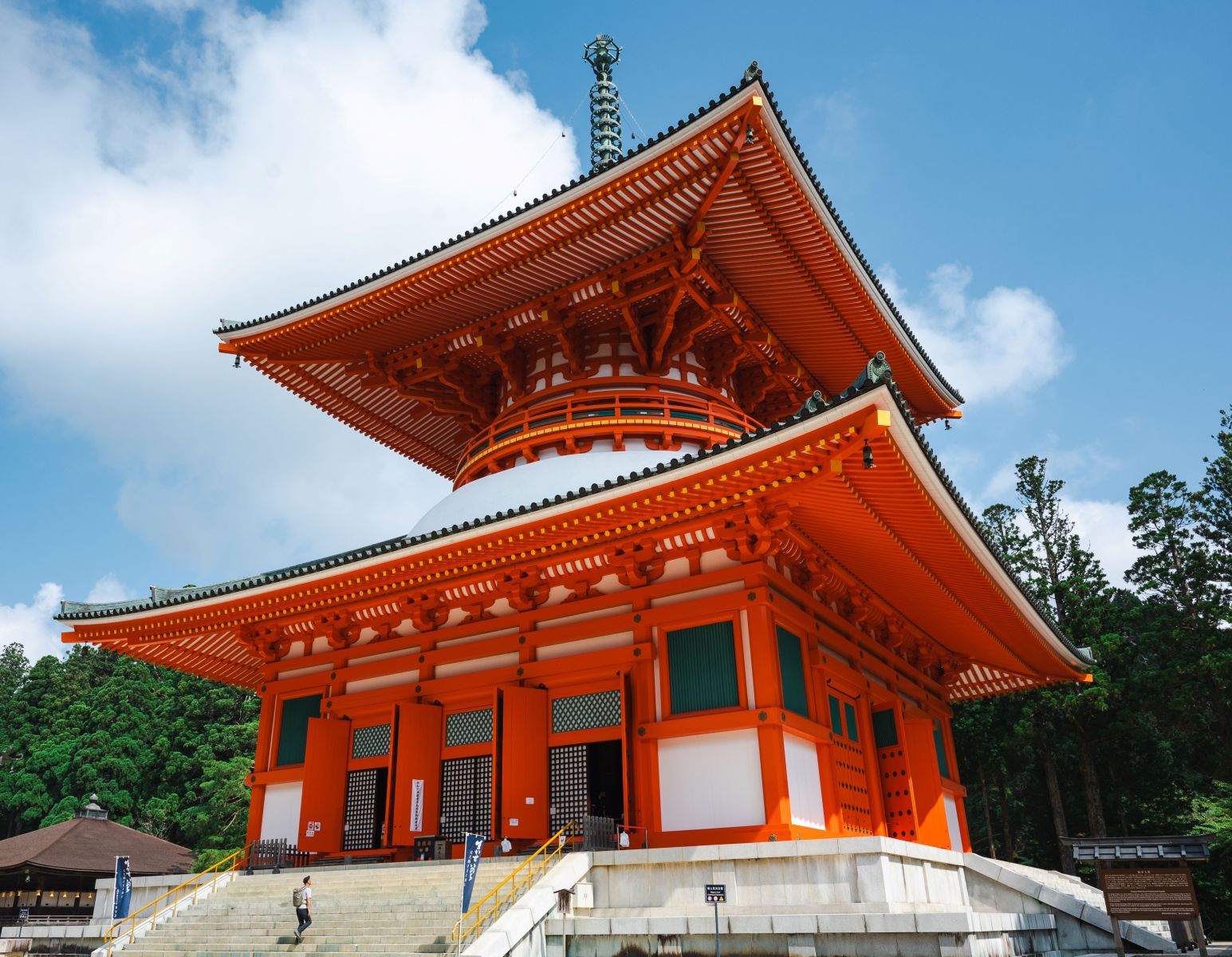
After morning meditation and a closing session with Miles at Daishin-in, we journey up to Mount Kōya, Japan’s tantric heartland, pausing for lunch on the way. Founded by Kūkai (Kōbō Daishi) in 816 CE, Kōya is a monastic sanctuary of over one hundred temples on a forested plateau. Kūkai envisioned it as a living mandala, where every temple, hall, and stupa corresponds to an element of awakened mind.
We check into our temple lodging (shukubō), with time to bathe and settle before a shōjin vegan dinner. In the evening, Miles offers a special outdoor teaching among the statues of the Thirty-Three Kannon, bridging Zen and Tantra: how we move from formless beauty to mandalas filled with deities and vibration.
(Overnight in Koya at Shukubo Temple Daien-in Guesthouse or similar)

In the morning we meet a female Shingon master for a short excursion up the mountain to an open-air shrine for a guided ritual practice to generate Bodhichitta, the awakened heart of compassion. The tantric master is a magician who uses mantra, hand gestures, and ritual to access the deepest layer of reality and imbue it with the blessing of the altruistic vibration that we can all commune with. The afternoon is free for lunch and exploring Kōya’s quaint village on foot and at your own pace.
There will also be time for exchange and a Q&A session with the master, allowing participants to deepen their understanding of the practice, the lineage, and the living tradition of Mount Kōya.
After dinner, we walk through lantern light around the Danjō Garan, Kūkai’s original monastic compound. Here two pagodas he planned embody the two mandalas of Shingon, Womb and Diamond: compassion and wisdom. Miles offers a guided tantric visualization beneath the illuminated vermilion Konpon Daitō pagoda, and, if the sky is clear, the stars all to ourselves.
(Overnight in Koyasan at Shukubo Temple Daien-in Guesthouse or similar)
We begin with one of the most spiritually charged walks of the pilgrimage: the approach to Okunoin. Beneath towering cedars lie more than 200,000 tombstones and memorials of samurai, poets, emperors, and commoners, each drawn to rest near the mausoleum of Kūkai. He is believed never to have died, but to remain in eternal meditation, a beacon of compassion for all beings. Miles offers a concluding onsite session to seal our experience of Koya.
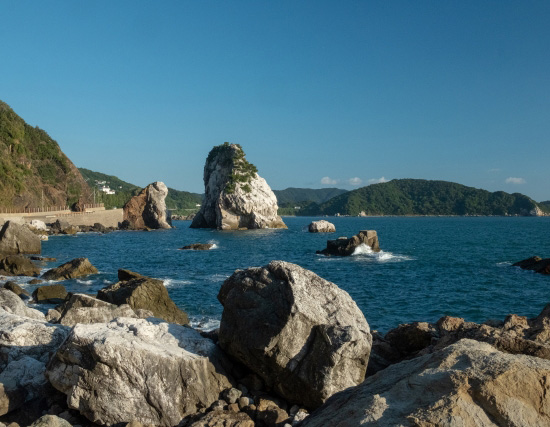
After free time for lunch, we descend from the mountain into the deep green embrace of the Kii Peninsula, a sacred geography older than Buddhism itself. Here, the mountains speak the language of animism—where waterfalls are spirits, rocks are altars, and the forest itself is an oracle.
The Kumano Kodo, a network of pilgrimage routes threading through the Kii Peninsula, has been walked by emperors and ascetics for over a millennium. It is a landscape of myth and memory, where religious boundaries dissolve and the wildness of nature becomes a crucible for spiritual rebirth.
In the evening, we arrive at our onsen inn, where mineral-rich hot springs have long been revered for healing and purification. Our home for the next two nights is Midoriya, a traditional ryokan in Kawayu Onsen, a riverside hot-spring village where thermal water rises from the riverbed itself; in the shallows you can even dig your own steaming pool. The inn’s open-air baths were a favorite of past pilgrims.
(Overnight in Kumano at Kawayu Onsen Midoriya or similar)

The sacred threshold known as Hosshinmon-oji, or “Gate of the Awakening of Faith,” marked the point where ancient pilgrims ritually prepared themselves before entering the spiritual heart of Kumano. This gate was not merely symbolic. It initiated the final passage from outer journey to inner vow: the Bodhisattva ideal of awakened compassion offered for the benefit of the world.
In that spirit, we begin our walk at Fushiogami, the viewpoint where ancient pilgrims caught their first glimpse of the sacred Kumano mountains and the Hongū sanctuary below, and fell to their knees in reverence. Here we set our bodhichitta intention, then follow the unpaved forest trail down to Kumano Hongū Taisha, the grand shrine at the center of Kumano’s triune sacred system.
Hongū Taisha, one of the Three Grand Shrines of Kumano (Kumano Sanzan), has drawn seekers from every level of society for more than a thousand years. Originally built on a river delta, the shrine was relocated after a flood to a quiet rise surrounded by cypress trees. Its towering torii gate remains one of the largest in Japan.
This shrine, like others in Kumano, blends Shinto and Buddhist cosmologies, reflecting Japan’s unique syncretic spirit. The deities here are considered manifestations of celestial Buddhas and Bodhisattvas—guardians of healing, compassion, and blissful wisdom.
At the shrine, we offer prayers. We then share a bento lunch at Ōyunohara, the river delta where the shrine originally stood, beneath one of the largest torii gates in Japan, followed by a teaching transmission from Miles. In the afternoon, we walk the Dainichi-goe, a beautiful short mountain section of the ancient Kumano Kodo, to a teaching on the Medicine Buddha, the Buddha of healing. This climb also prepares our legs for the Shugendō days ahead. We return to the inn for a bath and dinner.
(Overnight in Kumano at Kawayu Onsen Midoriya or similar)

We travel deep into the Kumano mountains for a rare three-day training immersion with an authentic Shugendō master. Shugendō is Japan’s indigenous path of mountain asceticism, blending tantric Buddhism, Shinto animism, and shamanic inner alchemy.
Miles will complement the master’s rituals and practices with commentary to make them accessible and meaningful to pilgrims of diverse backgrounds.
After a ceremonial opening, we enter the forest for a three-hour Kaihōgyō trekking meditation along the quintessential stone-paved Kumano Kodo, the same path the master walks in his own practice, a contemplative immersion designed to awaken our elemental connection with nature and gently loosen the grip of ego. This training invites physical endurance and flexibility of character. In this tradition, the mountain is both teacher and temple. We share a traditional lunch at the ashram and return for chanting and discussion rooted in the Shugendō lineage.
The day ends with a group integration session led by Miles.
(Overnight in Kumano at Seiryu-so Onsen Hotel or similar)

Today we return to the ashram for further Shugendō training with the master. In the morning, we participate in a waterfall purification ritual known as misogi. Standing beneath cold, rushing water, we practice dissolving ego, releasing preferences, facing fear, and enduring karmic residue without reacting, opening a glimpse into the natural state of primordial clarity.
Deep in the forest, the master leads a mystical and hypnotic shrine ritual, the experience our 2026 pilgrims rated most highly. This year, rather than watching as an audience, we are invited into active participation as a co-creative ritual.
After lunch and rest, we reconvene for further training, then return by vehicle to the inn for an onsen bath, dinner, and an evening integration session with Miles.
(Overnight in Kumano at Seiryu-so Onsen Hotel or similar)

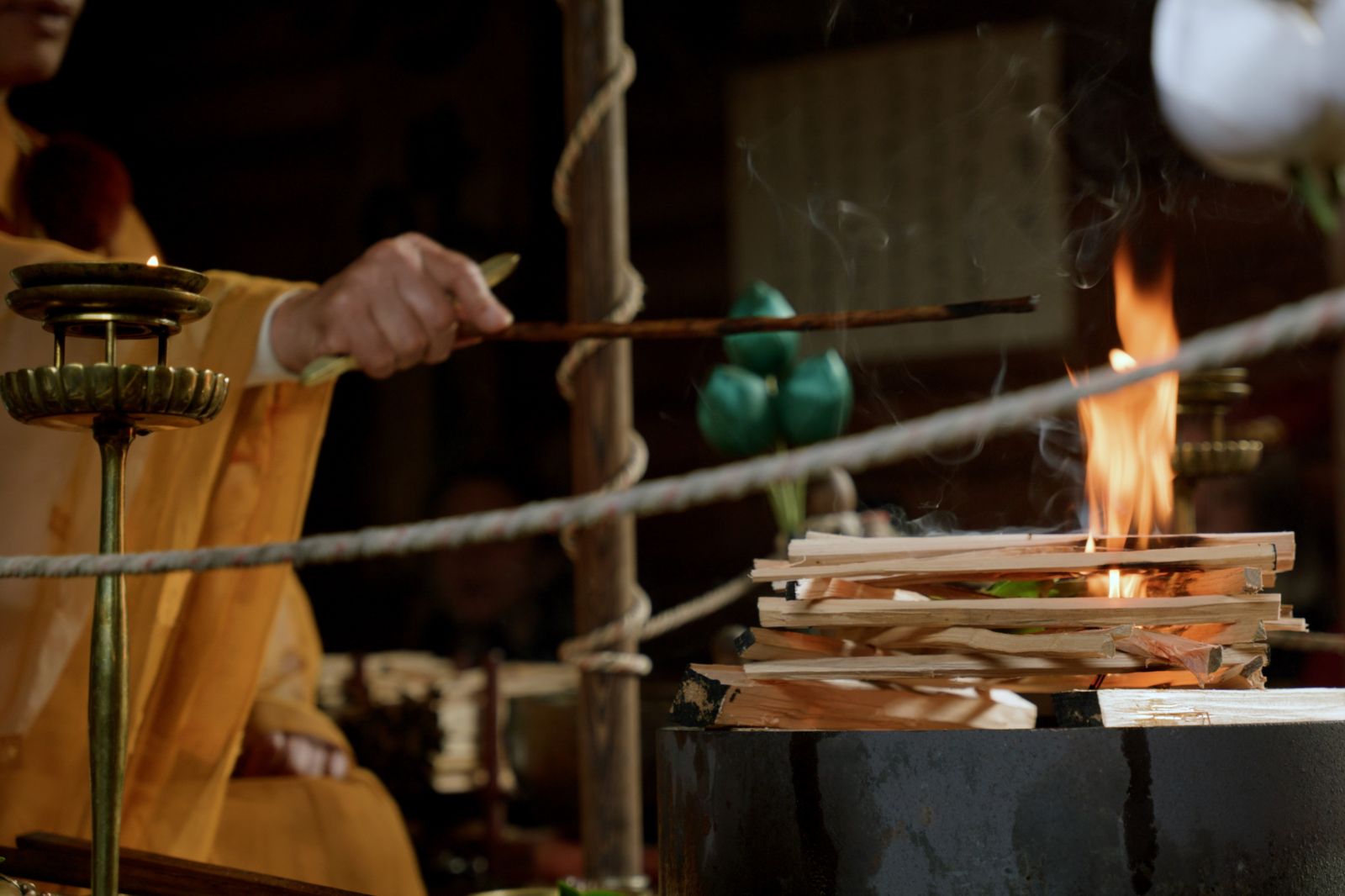
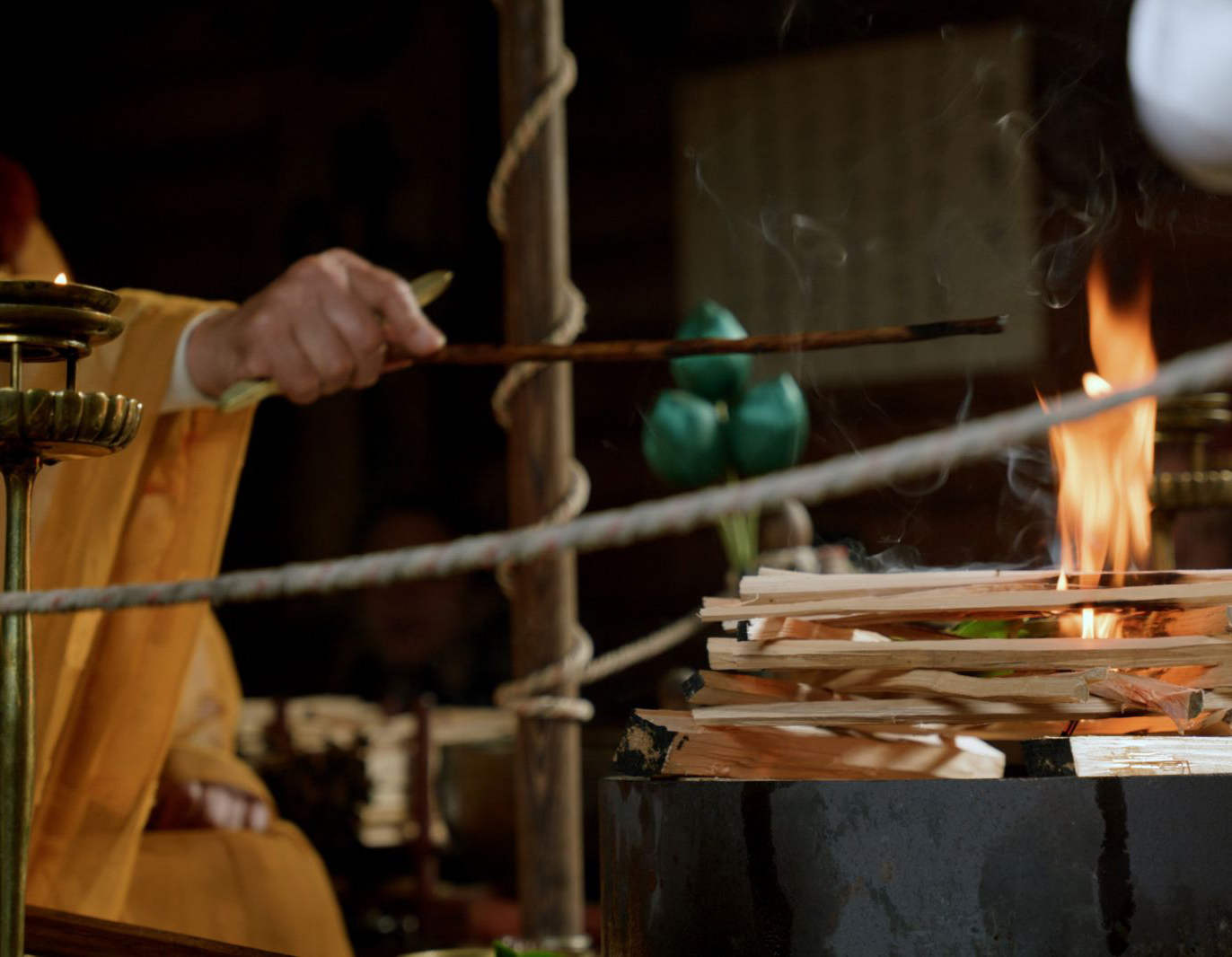
Our final initiation in the Shugendō lineage culminates with a dramatic goma fire ritual. This symbolic act of burning through obstacles channels the power of purification and transformation. Flames rise from a central hearth amid chanting and intense drumming, burning away karmic obstacles while seeding our intention for renewed life. Before entering the hall, we rehearse the ritual together, learning the chants and the meaning of each element, so we can participate fully.
Rather than rushing onward, we stay on near the master’s ashram to transition skillfully from the altered state, with a spacious afternoon to rest, absorb, and integrate the experience. Depending on the group’s energy, we may walk back to Koguchi as a quiet reflection on our three days of training.
(Overnight in Kumano at Seiryu-so Onsen Hotel or similar)
We make our final pilgrimage stage to Nachi, home to Japan’s tallest single-drop waterfall, revered in both Shinto and Buddhist cosmologies as spirit descending into form. Walking the ancient Daimon-zaka stone stairway, we arrive at Seiganto-ji and Nachi Taisha, one of the Three Grand Shrines of Kumano, then climb higher into the sacred mountain of Myōhō-zan.
Our journey culminates in a special closing ceremony with our Shugendō master in an incredible, secret place, a fitting completion of the full arc of our journey: departure, descent, transformation, and return. After a picnic lunch, we walk a beautiful stretch of the Kumano Kodo back down to Nachi, partly on magnificent stone-paved steps, absorbing the nectar of our journey along the way; transport is available for those who prefer.
In the early evening, those seeking Dual Pilgrim certification, or anyone who wishes, may join an optional small-group taxi at their own expense to visit Kumano Hayatama Taisha in Shingu, completing the Three Grand Shrines of Kumano and enjoying the shrine’s serene evening atmosphere. We then gather one final time for a celebratory farewell dinner.
(Overnight in Shingu City at Hotel New Palace or similar)
After breakfast, we journey along the coastal road back to Osaka airport, pausing in Tanabe for those eligible to receive the celebrated Dual Pilgrim Certificate—an emblem of completion for both the Three Grand Shrines of Kumano and the Camino de Santiago. Those who have not yet walked the Camino will carry home their stamped pilgrim’s passports as a record of their journey through Kumano, planting the aspiration to complete the sister pilgrimage in Spain in the future.
The bus ride and airport transition become a liminal space for reflection: looking back on a remarkable journey, metabolizing challenges and breakthroughs, and looking ahead to integrating insights and sharing gifts back home. Return flights or onward travel can be arranged from Kansai International Airport. The formal program concludes here.
(B = Breakfast; L = Lunch; D = Dinner)
Note: This itinerary is subject to change due to conditions beyond our control.